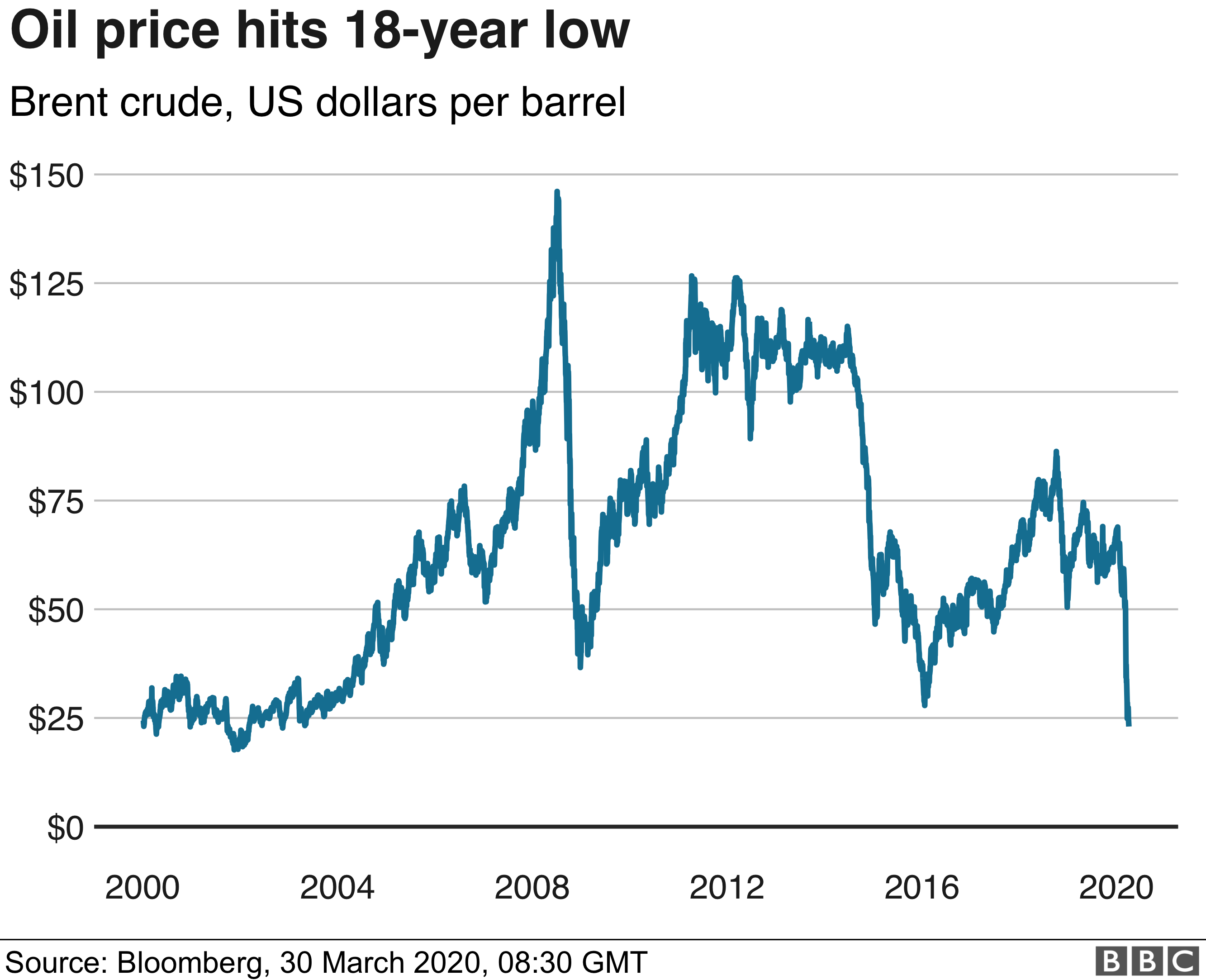
Oil prices have recently seen a significant drop, marking one of the sharpest declines since the onset of the COVID-19 pandemic and the Gulf War. This downturn occurs at a time when concerns about global economic stability are increasing, raising questions about the future of energy markets.
Data shows that crude oil prices have decreased markedly, reflecting the challenges facing markets amid volatile economic conditions. This decline follows a period of substantial price increases, making it essential to analyze the causes and potential consequences of this trend.
Details of the Event
In recent weeks, oil markets have experienced sharp fluctuations, with prices falling unprecedentedly. This decline is attributed to several factors, including a decrease in global oil demand due to slowing economic growth, as well as increased production from some producing countries. Additionally, fears of an economic recession cast a shadow over the markets, heightening uncertainty.
Forecasts suggest that this decline may persist for some time, necessitating that producing countries take appropriate measures to address these challenges. A swift response from governments and companies may be essential to maintain market stability.
Background & Context
Historically, oil prices have experienced significant fluctuations due to economic and political crises. For instance, during the Gulf War in the early 1990s, markets saw a sharp drop in prices, which significantly impacted the global economy. The COVID-19 pandemic also had profound effects on global demand, leading to an unprecedented drop in prices.
In recent years, oil markets have become more complex due to changes in environmental policies and the transition towards renewable energy sources. These factors play a significant role in shaping the future of energy markets, making it crucial to understand current dynamics.
Impact & Consequences
The decline in oil prices has wide-ranging effects on the global economy, directly impacting both producing and consuming countries. Producing countries that heavily rely on oil revenues may face significant economic challenges, potentially leading to reduced public spending and increased social pressures.
On the other hand, consumers may benefit from lower prices, which could lead to increased demand for products and services. However, it is important to remain aware of the challenges that may arise as a result, including negative impacts on investments in the energy sector.
Regional Significance
Arab countries are among the largest oil producers in the world, and thus, the decline in prices directly affects their economies. Countries like Saudi Arabia, the UAE, and Kuwait heavily depend on oil revenues, making them vulnerable to price fluctuations.
Under these circumstances, Arab countries may need to diversify their economies and reduce reliance on oil as a primary source of revenue. Additionally, enhancing investments in other sectors may be necessary to ensure sustainable economic growth.
In conclusion, the decline in oil prices highlights the importance of understanding global economic dynamics and their impact on local markets. The current situation requires effective responses from governments and companies to ensure market stability and achieve sustainable development.