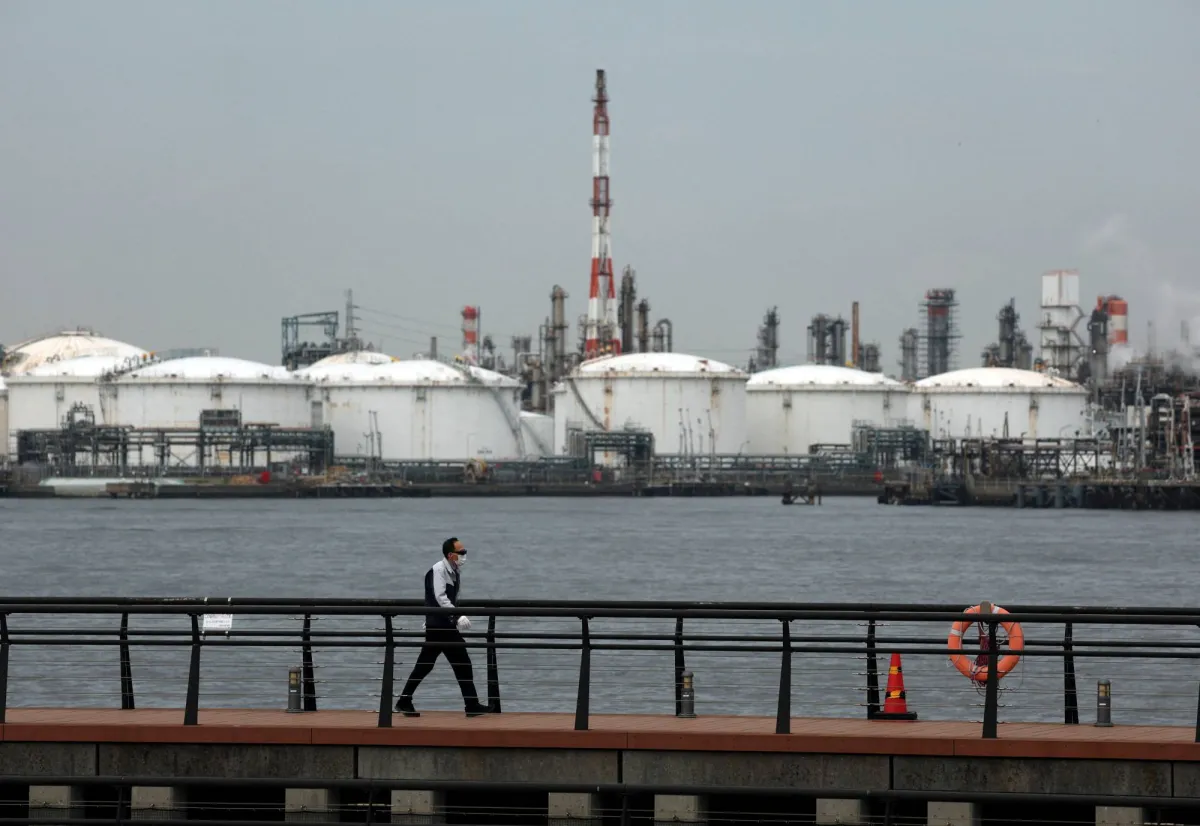
Oil prices have fallen by more than 11%, witnessing a sharp decline after U.S. President Donald Trump announced the suspension of expected strikes on Iranian energy facilities for a period of five days following 'productive' talks with the government in Tehran.
Prices in Europe also saw a decrease, with gas prices dropping by 8.9%. Meanwhile, futures for the Standard & Poor's 500 index rebounded by 2.5%, reflecting a state of instability in global markets.
Details of the Announcement
In a related context, a senior executive from Sinopec, the largest refining company in the world, stated that the company does not intend to buy Iranian oil directly but is seeking permission to exploit Iranian state reserves. This statement followed the temporary easing announced by the United States regarding sanctions imposed on purchasers of Iranian oil, as part of its attempts to alleviate pressures on global supplies.
The United States provides a 30-day exemption regarding the sanctions, allowing the possibility of reintroducing approximately 140 million barrels of Iranian oil into global markets. However, the purchasing process remains complicated due to ongoing financial sanctions imposed on Iran and the logistical issues related to its shipment.
Background & Context
Pressure on the global oil market has been ongoing for a while due to escalating tensions in the Middle East, particularly in the Strait of Hormuz, a corridor for about 20% of global oil supplies. As the conflict intensifies, major global companies have become wary of dealing with Iranian oil for fear of American sanctions.
Iranian oil used to be a vital source for major Asian importers such as South Korea and Japan before the United States tightened economic restrictions on Tehran. Today, despite the absence of a complete ban from major Chinese companies, most purchases are made by smaller private firms.
Impact & Consequences
These tensions and the prevailing instability are expected to lead to increased volatility in prices in the near future. Some reports suggest that state-owned companies in China are considering the possibility of purchasing more Iranian oil, although these plans remain tenuous due to uncertainties related to the specifics of the sanctions.
Reports indicate that the average price of Iranian oil in the markets is now beginning to rise, even though it was previously sold for about 10 dollars less than Brent crude per barrel. This shift signifies an increasing market appetite, despite the legal and financial challenges surrounding imports.
Regional Significance
The decline in oil prices emphasizes the extent to which regional conflicts affect the global market and could lead to losses for the Arab market, which heavily relies on oil resources. The Iranian government may view these developments as an opportunity to enhance its negotiating position in upcoming talks with global powers.
The current state of the market reflects instability that might impact other Arab economies, prompting countries to reassess their energy strategies and prepare for potential changes in market dynamics.