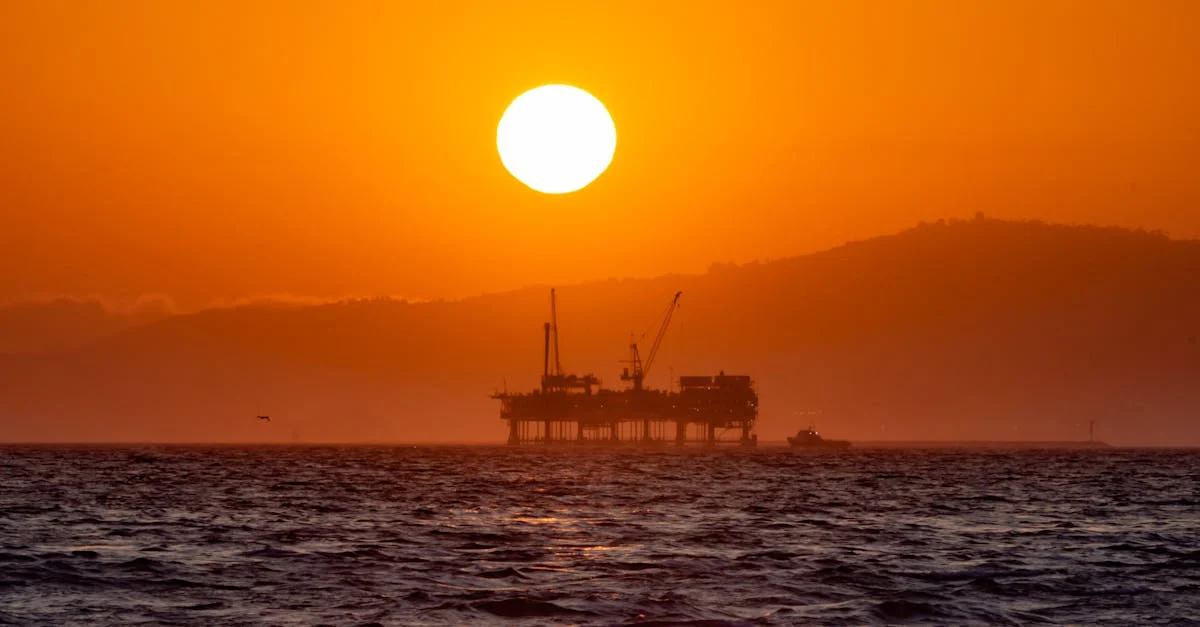
Oil prices are on a trajectory to continue rising, even after the announcement of a temporary ceasefire between Iran and the United States. This ceasefire, which may help ease tensions in the region, has not been sufficient to alter the overall trend of prices that have seen a significant increase in recent months.
Reports indicate that global markets still face substantial challenges, including supply shortages and ongoing geopolitical tensions. Additionally, the demand for oil remains strong, further increasing pressure on prices.
Details of the Event
As Iran and the United States seek to calm the situation, forecasts suggest that oil prices may remain elevated due to several factors. Among these factors is the continued sanctions imposed on Iran, which significantly impact its ability to export oil. There is also growing concern regarding stability in other parts of the Middle East, which adds to market uncertainty.
Some reports predict that oil prices could reach new record levels if the situation remains unchanged. Analysts have noted that any new escalation in tensions between Iran and the West could lead to even higher prices, affecting the global economy.
Background & Context
Historically, oil prices have experienced significant fluctuations due to geopolitical crises. For instance, in 2011, unrest in the Middle East led to a sharp rise in prices. Today, the situation appears similar, as any new tensions could negatively impact supplies.
Furthermore, shifts in global energy policies, including the transition towards renewable energy sources, may also affect future oil demand. However, for now, oil remains a crucial part of the global energy mix, making prices susceptible to volatility.
Impact & Consequences
High oil prices impact many economies worldwide, especially those that heavily rely on oil imports. Rising prices can lead to increased living costs, affecting citizens' purchasing power.
Moreover, higher oil prices may influence the monetary policies of countries, as central banks might need to take measures to contain inflation caused by rising energy costs. This could lead to economic growth slowdowns in some nations.
Regional Significance
For Arab countries, rising oil prices may have varied effects. Oil-producing nations, such as Saudi Arabia and the UAE, could benefit from increased revenues due to higher prices. Conversely, oil-importing countries may face greater economic challenges.
Ultimately, the question remains about how these dynamics will affect economic stability in the region. With ongoing geopolitical tensions, the situation remains unstable, requiring Arab nations to take proactive steps to adapt to these changes.