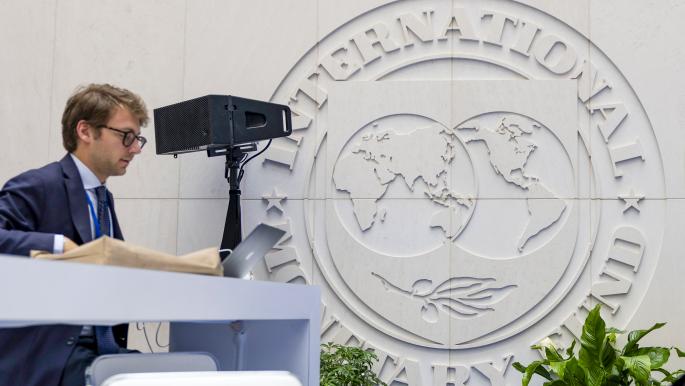
The International Monetary Fund (IMF) has reported a 3% increase in oil prices compared to its previous forecasts in April, indicating a state of instability in global markets. Despite this increase, the IMF warns that price fluctuations and declining reserves could negatively impact global economic growth.
These statements come at a sensitive time, as markets continue to be affected by the repercussions of ongoing conflicts in certain regions, increasing uncertainty in the global economy. The Strait of Hormuz, a vital artery for oil trade, remains a focal point in determining market trends.
Event Details
Reports indicate that oil prices have seen a significant rise, exceeding the expectations set by the IMF in April. This increase comes amid rising demand for oil from certain countries, coupled with production cuts from some producing nations. However, the ongoing price volatility poses a major challenge for investors.
At the same time, global oil reserves have declined, raising concerns about the sustainability of supplies. These combined factors could lead to weaker economic scenarios, as the IMF expects global growth to be lower than anticipated.
Background & Context
Historically, oil markets have experienced significant fluctuations due to geopolitical events and conflicts. For instance, the conflict in the Middle East has had a substantial impact on oil prices in recent years. Additionally, tensions between major countries play a role in determining prices, making it essential to closely monitor current events.
In recent years, some countries have attempted to reduce their dependence on oil, leading to changes in production and consumption strategies. Nevertheless, oil remains a fundamental part of the global economy, making it crucial to monitor any price changes.
Impact & Consequences
If oil prices continue to rise, this could affect transportation and production costs across various sectors. This may lead to increased prices for consumers, potentially negatively impacting economic growth. Countries heavily reliant on oil exports may face greater economic challenges.
Furthermore, any escalation in regional conflicts could lead to further price volatility, increasing uncertainty in the markets. Therefore, it is important for governments and companies to closely follow these developments.
Regional Significance
Arab oil-producing countries are among the most affected by fluctuations in oil prices. While rising prices may lead to increased revenues, any decline in prices could negatively impact the economies of these nations. Thus, stability in oil prices is vital for achieving sustainable growth in the region.
Additionally, ongoing conflicts in some Arab countries affect market stability, increasing the need for effective strategies to address these challenges. It is essential for Arab nations to diversify their economies to reduce reliance on oil.
In conclusion, oil remains a vital element in the global economy, but the challenges it faces require effective responses from governments and companies. Monitoring developments in this field will be crucial to ensuring market stability and sustainable growth.