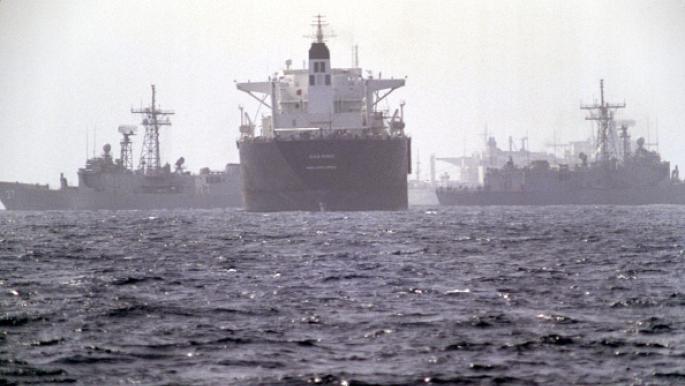
Oil prices continue to rise, driven by fears of escalating conflict in Iran. The prices have seen a notable increase amid growing concerns about the impact of war on global supplies. At the same time, Asian markets have experienced moderate improvements, although trading has remained cautious.
This increase in oil prices comes at a sensitive time, as Iran continues to confront Western powers, raising concerns about the stability of oil supplies. This situation has led to a rise in Brent crude prices, which is a key indicator of global prices, surpassing the $90 per barrel mark.
Details of the Situation
Concerns are mounting that the ongoing conflict in Iran may lead to a reduction in oil production, negatively impacting global markets. Analysts have pointed out that any escalation in the conflict could exacerbate conditions in the Gulf region, which is one of the largest oil-producing areas in the world.
Conversely, Asian markets, such as Hong Kong and Tokyo, have shown slight improvements, with stocks in some sectors rising, but caution still prevails among investors due to potential market volatility. Recent economic data has shown some positive signs, contributing to market support.
Background & Context
Historically, the Middle East has always been a center of conflicts and disputes that directly affect oil prices. The conflict in Iran is not new, as the country has faced ongoing tensions with Western powers, especially after the United States withdrew from the nuclear agreement in 2018. This withdrawal led to the imposition of economic sanctions on Iran, impacting its ability to export oil.
Furthermore, any escalation in the conflict could have negative effects on neighboring countries, increasing instability in the region. Global markets have experienced similar impacts in the past, where political crises led to sudden spikes in oil prices.
Impact & Consequences
The rise in oil prices could have significant repercussions on the global economy, as it may lead to increased transportation and energy costs, affecting the prices of goods and services. Oil-importing countries may face economic pressures as a result of this increase, potentially leading to a slowdown in economic growth.
Additionally, this rise may influence the monetary policies of countries, as central banks may be forced to take action to combat inflation resulting from rising energy prices. This situation could lead to increased interest rates, impacting investments and consumer spending.
Regional Significance
For Arab countries, the rise in oil prices may have both positive and negative effects. Oil-producing countries like Saudi Arabia and the United Arab Emirates may benefit from this increase, as it could boost their oil revenues. However, on the other hand, oil-importing countries may face economic challenges due to rising prices.
Moreover, the instability in Iran could affect regional security, increasing tensions between Arab countries and Iran. This situation may necessitate enhanced security cooperation among Arab nations to address common challenges.
In conclusion, the situation in Iran and its impacts on oil prices and global markets remain under observation, as any new developments could significantly affect the global economy and the Arab region.