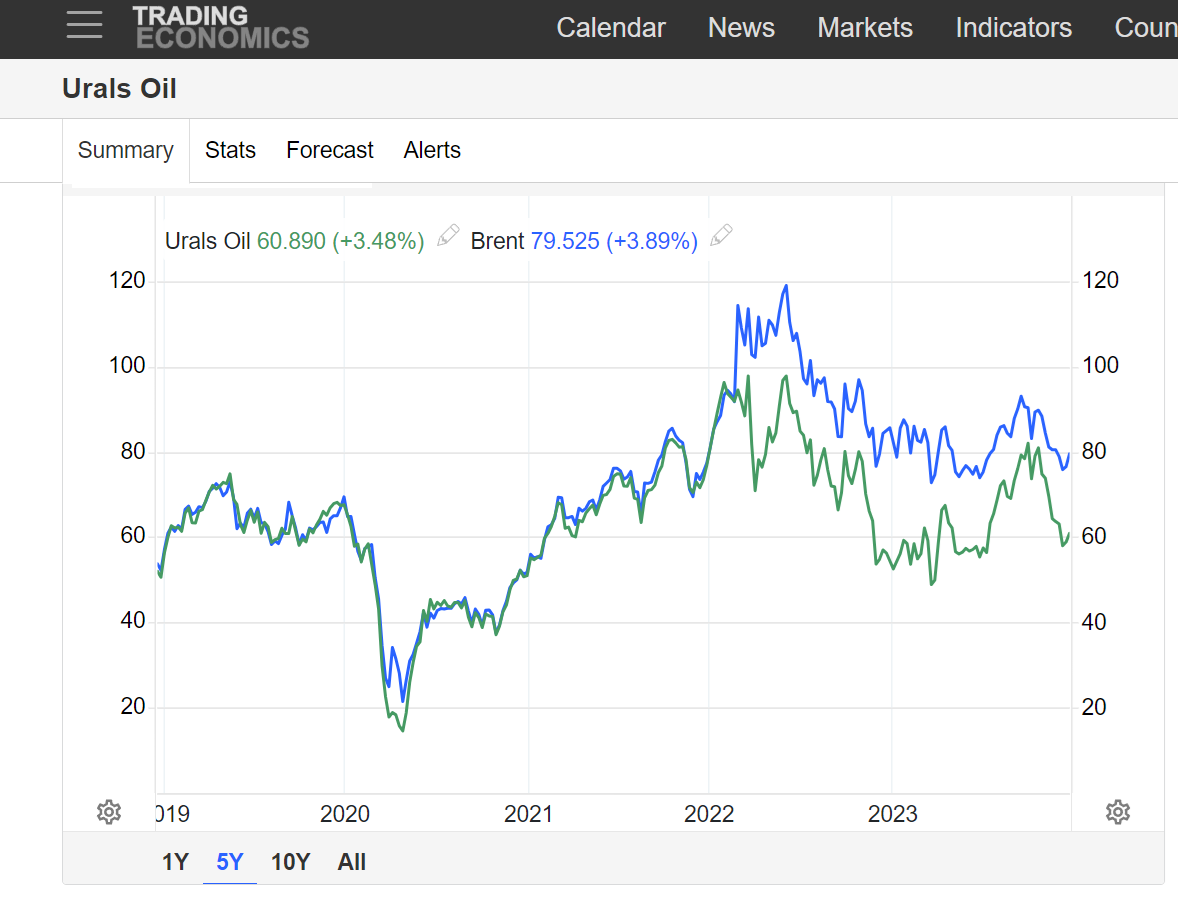
Oil prices saw a significant increase at the start of trading on Wednesday, with June Brent futures rising by 0.63% to $104.63 per barrel. This rise occurs amid ongoing tensions in the Middle East, despite reports suggesting that the United States and Iran may be nearing a resolution to their ongoing conflict.
West Texas Intermediate (WTI) crude for May also increased by 0.95% to $102.34 per barrel, while June contracts rose by 0.49% to $93.62 per barrel. These increases follow record gains in oil prices, which surged by 64% in March, marking the highest monthly rate since 1988, according to data from LSEG.
Event Details
Despite active diplomatic channels, analysts at LSEG noted that diplomatic progress remains limited, increasing supply-related risks. Ongoing maritime attacks and explicit threats against energy assets contribute to heightened concerns about supply shortages.
In the days leading up to this increase, oil prices experienced a sharp decline, with June Brent contracts dropping by more than $3 following unconfirmed reports that the Iranian president was willing to end the conflict. However, former U.S. President Donald Trump indicated the possibility of concluding military operations within two to three weeks, reflecting his desire to resolve the month-long conflict.
Background & Context
Historically, oil prices have experienced significant fluctuations due to political conflicts and tensions in the Middle East, a key center for global oil production. The closure of the Strait of Hormuz, through which 20% of global oil and liquefied natural gas trade passes, poses a major threat to global supplies.
According to a Reuters survey, production from the Organization of the Petroleum Exporting Countries (OPEC) fell by 7.3 million barrels per day in March compared to the previous month, reflecting the impacts of the closure imposed on the Strait of Hormuz. These factors have led to record increases in oil price forecasts, with the survey predicting an average Brent price of $82.85 per barrel in 2026, a 30% increase from previous estimates.
Impact & Consequences
The impact of rising oil prices extends to the global economy, potentially leading to increased energy costs, which affect inflation and economic growth in many countries. Continued tensions in the Middle East could also increase uncertainty in financial markets.
Analysts expect oil prices to remain high in the near future, even if the conflict ends, due to damage to infrastructure that may lead to supply shortages. This situation could create new challenges for oil-importing countries, especially amid global economic crises.
Regional Significance
The Middle East has a significant impact on global oil prices, with oil-producing Arab countries among the most affected by price fluctuations. Rising oil prices can boost revenues for producing countries, but they may also increase burdens on importing nations.
Under these circumstances, Arab countries must take strategic steps to adapt to changes in the oil market, whether through economic diversification or enhancing regional cooperation to ensure price stability.