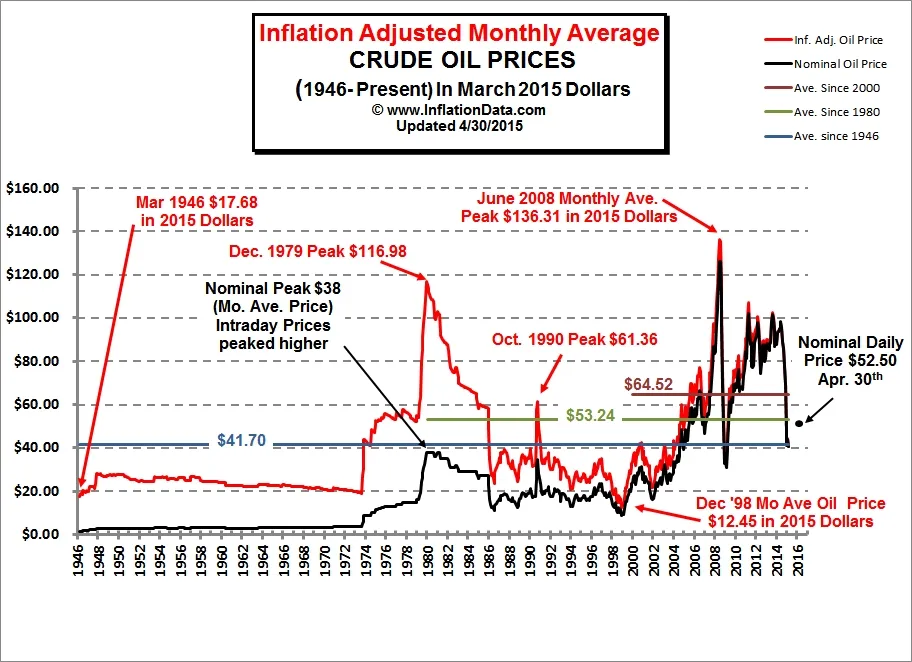
Oil prices continue to rise despite slight declines this week, as financial markets price in inflation risks. Reports indicate that investors are closely monitoring the impact of these factors on the global economy.
While oil prices have decreased slightly, they remain at elevated levels compared to previous periods. This situation reflects ongoing concerns about inflation and its impact on economic growth, keeping investors on alert.
Event Details
Recent data indicates that oil prices have dropped by a certain percentage this week, but they still remain high compared to past weeks. This decline comes at a time when the global economy is facing increasing inflationary pressures, prompting financial markets to react cautiously to any changes in energy prices.
Oil prices are influenced by several factors, including global demand, production policies of producing countries, and geopolitical tensions. In this context, investors continue to closely monitor market developments, as any changes could significantly affect prices.
Background & Context
Over the years, oil prices have experienced significant fluctuations due to various global events. Since the onset of the COVID-19 pandemic, markets have been heavily impacted, leading to a sharp decline in oil demand. However, prices began to recover with the return of economic activity, raising concerns about inflation.
In recent years, several factors have influenced oil markets, including tensions in the Middle East, decisions made by OPEC, and changes in environmental policies. All of these factors play a role in determining prices and market forecasts.
Impact & Consequences
High oil prices affect the global economy in multiple ways. On one hand, they can lead to increased transportation and production costs, negatively impacting prices for consumers. On the other hand, oil-producing countries may benefit from these high prices, increasing their revenues.
Concerns about inflation are one of the main factors affecting financial markets. If oil prices continue to rise, this could lead to increased inflationary pressures, potentially prompting central banks to adopt tighter monetary policy measures.
Regional Significance
Arab oil-producing countries are among the most affected by fluctuations in oil prices. Rising prices may mean increased revenues for these countries, helping to support their economies. However, any sustained increase in prices could lead to inflationary pressures affecting citizens.
At the same time, Arab countries must be prepared to face challenges associated with changes in oil prices, including diversifying their economies and reducing reliance on oil as a primary source of revenue.
Oil prices remain at the heart of global economic discussions, directly impacting financial markets and national economies. As concerns about inflation persist, investors remain vigilant for any changes that could affect the market.