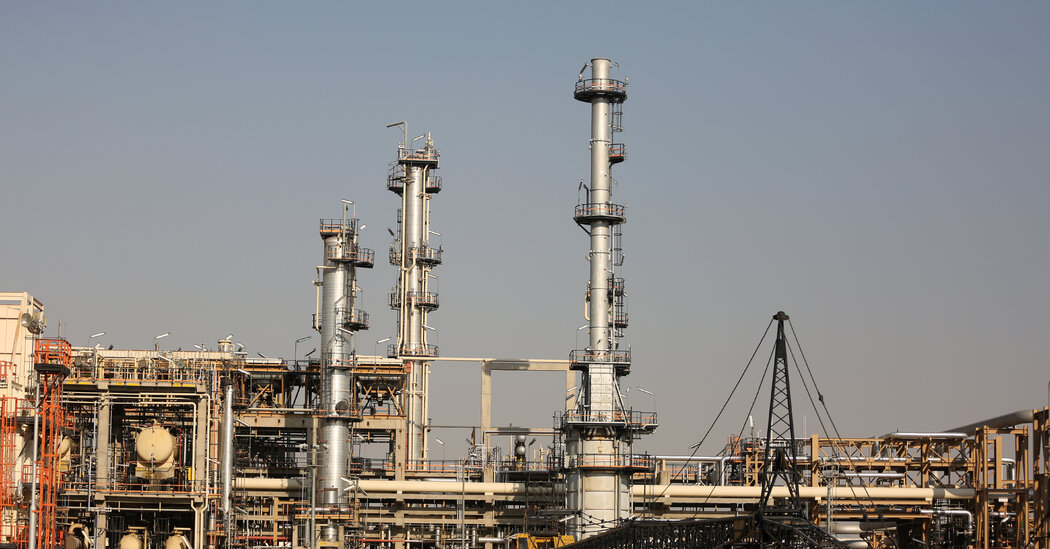
Oil prices have seen a significant increase for the fourth consecutive day, driven by escalating tensions in Iran. This rise reflects growing concerns in global markets regarding supply stability, as ongoing events in the region continue to impact market movements.
This price increase comes at a sensitive time, as fears grow over the impact of the conflict in Iran on global oil supplies. Futures contracts for Brent crude rose by 2.5%, reaching $90 per barrel, while West Texas Intermediate prices increased by 2.3%, reaching $85 per barrel.
Details of the Event
The pace of events in Iran has accelerated following heightened military tensions, leading to increased anxiety among investors. These tensions have directly affected oil prices, as the Middle East is a vital region for oil production. With fears of a broader conflict rising, analysts expect oil prices to continue increasing.
It is worth noting that Iran is one of the largest oil producers in the world, and any disruptions in its production can significantly impact global markets. Some analysts have indicated that prices could reach higher levels if tensions continue to escalate.
Background & Context
Historically, oil prices have experienced significant fluctuations due to political and military events in the Middle East. Conflicts in Iraq and Syria, along with sanctions imposed on Iran, have always been key factors influencing prices. In recent years, these tensions have increased with the escalation of regional conflicts, making markets more sensitive to any news related to the area.
In this context, the rise in oil prices is a natural consequence of the current tensions. Any new developments in Iran could lead to further price increases, impacting the global economy as a whole.
Impact & Consequences
The rise in oil prices directly affects the global economy, as it can lead to increased transportation and production costs, which in turn reflects on the prices of goods and services. Additionally, oil-importing countries may face economic challenges due to rising prices, potentially leading to slower economic growth.
On the other hand, oil-producing countries may benefit from this price increase, as it can boost their revenues and help improve their budgets. However, stability in oil markets heavily depends on developments in Iran.
Regional Significance
The rise in oil prices represents both a challenge and an opportunity for oil-producing Arab countries. While revenues may increase, importing countries may face economic difficulties. Moreover, tensions in Iran could lead to increased instability in the region, affecting relations between Arab nations.
Ultimately, the situation in Iran remains under close observation, as any changes could significantly impact oil prices and global markets. Investors and analysts must closely monitor developments to understand the potential effects on the global economy.