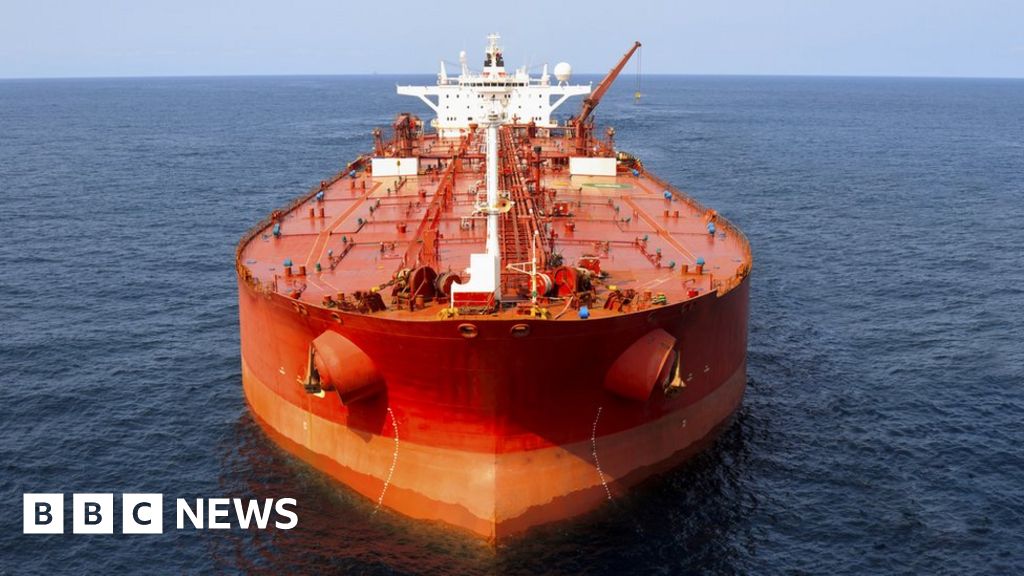
Global oil prices have seen a significant increase, driven by hopes for a ceasefire agreement in the Iranian conflict. This rise comes at a critical time for the global economy, as markets await new developments in the region.
Amid increasing geopolitical crises, there appears to be a real opportunity to reach an agreement that could end the ongoing conflict in Iran, which may contribute to stabilizing oil markets. Prices have surged by as much as 3% in some markets, reflecting investor optimism regarding the potential for peace.
Details of the Event
This price increase follows a series of talks among the involved parties, where some countries have expressed their willingness to mediate in the conflict. Media reports have noted significant progress in the negotiations, providing a strong boost to the markets. Brent crude prices have risen to around $85 per barrel, while West Texas Intermediate crude prices have surpassed $80.
This rise follows a period of sharp volatility in oil prices, where markets experienced significant declines due to fears of a slowdown in global economic growth. However, positive news regarding the Iranian negotiations has dramatically shifted market sentiments.
Background & Context
Historically, Iran has been one of the largest oil producers in the world, but ongoing conflicts and international sanctions have negatively impacted its production. Since the onset of the war, oil prices have experienced sharp fluctuations as markets react to every development in the conflict.
In recent years, there have been multiple attempts to reach a peace agreement, but they have all failed. Nevertheless, current conditions suggest that there is a real opportunity to reach an agreement, which could lead to an increase in Iranian production and thus stabilize global prices.
Impact & Consequences
If an agreement to end the war is reached, the global market is expected to see an increase in oil supplies, which could lead to a decrease in prices in the long term. This situation would have significant implications for oil-importing countries, especially in the Arab region.
Moreover, stabilizing oil prices would have a positive impact on the global economy, as many countries rely on oil imports to meet their needs. Therefore, any change in oil prices can directly affect economic growth in numerous countries.
Regional Significance
Arab countries are among the biggest beneficiaries of stable oil prices, as their economies heavily depend on oil exports. If prices continue to rise, this could lead to increased government revenues, contributing to improved economic conditions in many nations.
However, Arab countries must remain cautious, as any future price fluctuations could negatively impact development plans. Thus, economic diversification becomes an urgent necessity to face any future challenges.
In conclusion, attention remains focused on developments in the Iranian negotiations, as any progress in this matter could significantly alter the landscape of the global oil market.