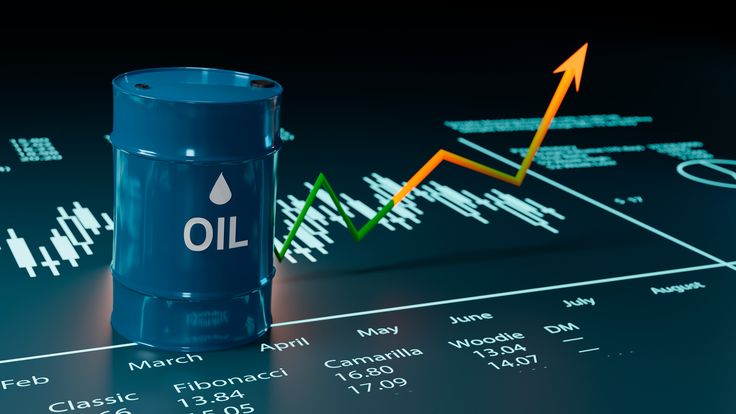
Crude oil prices saw a significant increase in early trading on Monday, with West Texas Intermediate rising by 1.86% to reach $113.62 per barrel. This surge comes as conflicts in the Middle East continue to impact global energy supplies.
Concerns are growing that ongoing crises in the region could lead to a reduction in oil supplies, negatively affecting global markets. These conditions have influenced investor expectations, prompting them to adopt more cautious positions amid rising volatility.
Event Details
Data shows that oil prices have experienced a notable rise, with West Texas Intermediate being a key indicator reflecting market conditions. Geopolitical factors, including armed conflicts and political tensions, have contributed to pushing prices upward.
At the same time, Brent crude, which is considered a global benchmark, has also recorded an increase, reflecting the general trend in the market. Analysts expect these price increases to continue unless political solutions to the current crises are reached.
Background & Context
Historically, oil prices have been significantly affected by geopolitical events, especially in the Middle East, which is a major oil production hub. Ongoing conflicts in countries such as Iraq, Syria, and Libya, along with tensions between major powers, play a crucial role in determining market trends.
Moreover, changes in the oil policies of major countries, such as the United States and Russia, also impact prices. In recent years, we have witnessed significant price fluctuations due to these factors, making the oil market susceptible to sudden changes.
Impact & Consequences
Continuous increases in oil prices can have widespread effects on the global economy. Rising prices may lead to increased transportation and production costs, which will reflect on the prices of goods and services. Additionally, oil-importing countries may face increasing economic pressures.
At the local level, these increases could affect the budgets of Arab countries that heavily rely on oil revenues. If prices continue to rise, governments may be forced to implement austerity measures that impact citizens.
Regional Significance
The Arab region is among the most affected by fluctuations in oil prices. Oil-producing countries, such as Saudi Arabia and the UAE, may benefit from rising prices to boost their revenues. However, at the same time, importing countries like Egypt and Jordan may face economic challenges due to increased energy costs.
Under these circumstances, Arab countries must seek strategies to adapt to changes in the oil market, including diversifying energy sources and enhancing sustainability.
In conclusion, the future of oil prices remains closely linked to geopolitical events and global economic changes. The current situation requires investors and analysts to closely monitor developments to ensure informed decision-making.