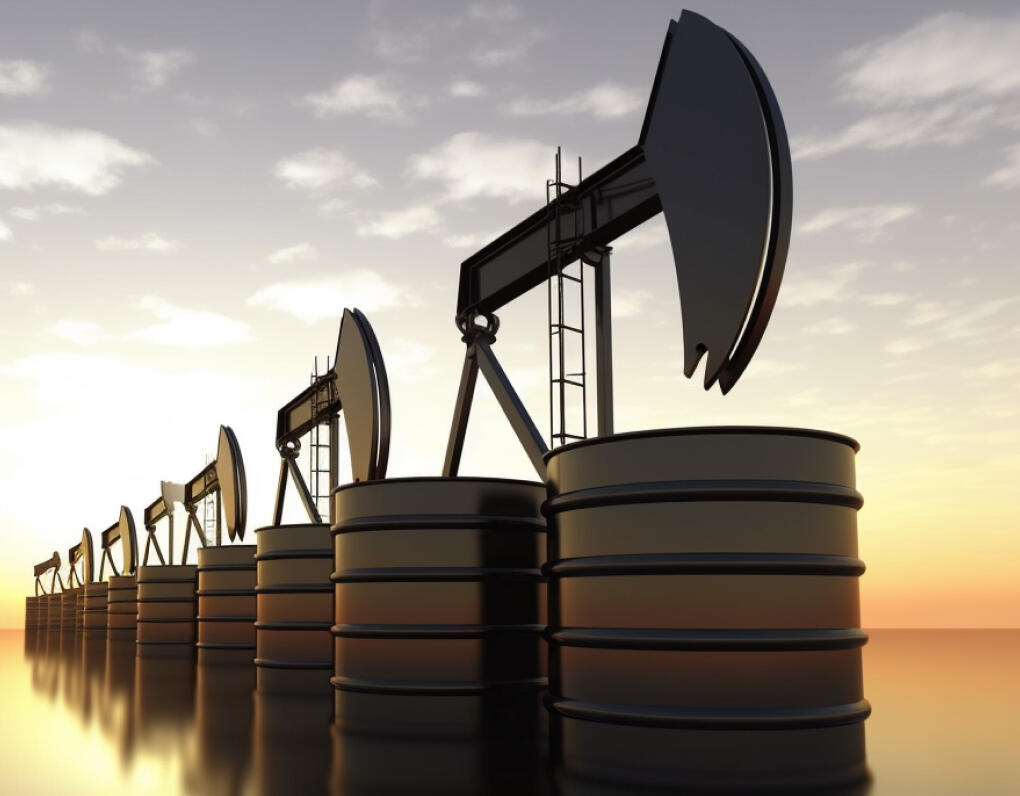
Oil prices have experienced a significant increase of over 1% in global markets, with Brent crude reaching $90.15 per barrel, while West Texas Intermediate hit $85.80. This rise occurs amidst growing fears of a slowdown in global demand for oil, raising investor concerns about future prices.
These developments coincide with reports indicating a decline in demand in major markets, such as China, one of the largest oil consumers in the world. Economic policies and restrictions imposed due to the COVID-19 pandemic have impacted energy consumption, leading to decreased demand in certain sectors.
Details of the Event
Earlier data showed that oil demand in China has dropped significantly, affecting global prices. Additionally, geopolitical tensions in regions like the Middle East may play a role in price fluctuations. Some analysts have pointed out that these factors could lead to greater volatility in the market in the coming period.
Despite this increase, there remains concern about the sustainability of this trend given negative economic forecasts. Some reports indicate that many countries may experience a slowdown in economic growth, which could adversely affect oil consumption.
Background & Context
Historically, oil prices have seen significant fluctuations due to various factors, including economic crises, geopolitical tensions, and changes in global demand. In recent years, there have been attempts by OPEC and its allies to regulate production to stabilize prices, although these efforts have not always been effective.
Oil prices are an important indicator of the global economy, as they affect transportation and production costs, and consequently prices in local markets. Any changes in prices can impact government budgets in oil-producing countries, making them sensitive to market fluctuations.
Impact & Consequences
The increase in oil prices can have multiple effects on the global economy. On one hand, oil-producing countries may benefit from increased revenues, while importing countries may face challenges in their budgets. Rising prices can also lead to increased living costs, affecting citizens' purchasing power.
Furthermore, price fluctuations may increase instability in financial markets, as investors seek to protect their investments from potential risks. In this context, some countries may adopt new strategies to adapt to these changes, such as enhancing renewable energy sources.
Regional Significance
Arab oil-producing countries are among the most affected by oil price fluctuations, as many of their economies heavily rely on oil revenues. Therefore, any increase or decrease in prices can directly impact government budgets and development projects.
At the same time, some countries may seek to diversify their economies and reduce reliance on oil by investing in other sectors such as tourism and technology. However, global economic challenges may make achieving these goals difficult at this time.
In conclusion, the future of oil prices remains linked to numerous economic and political factors, requiring investors and analysts to closely monitor developments.