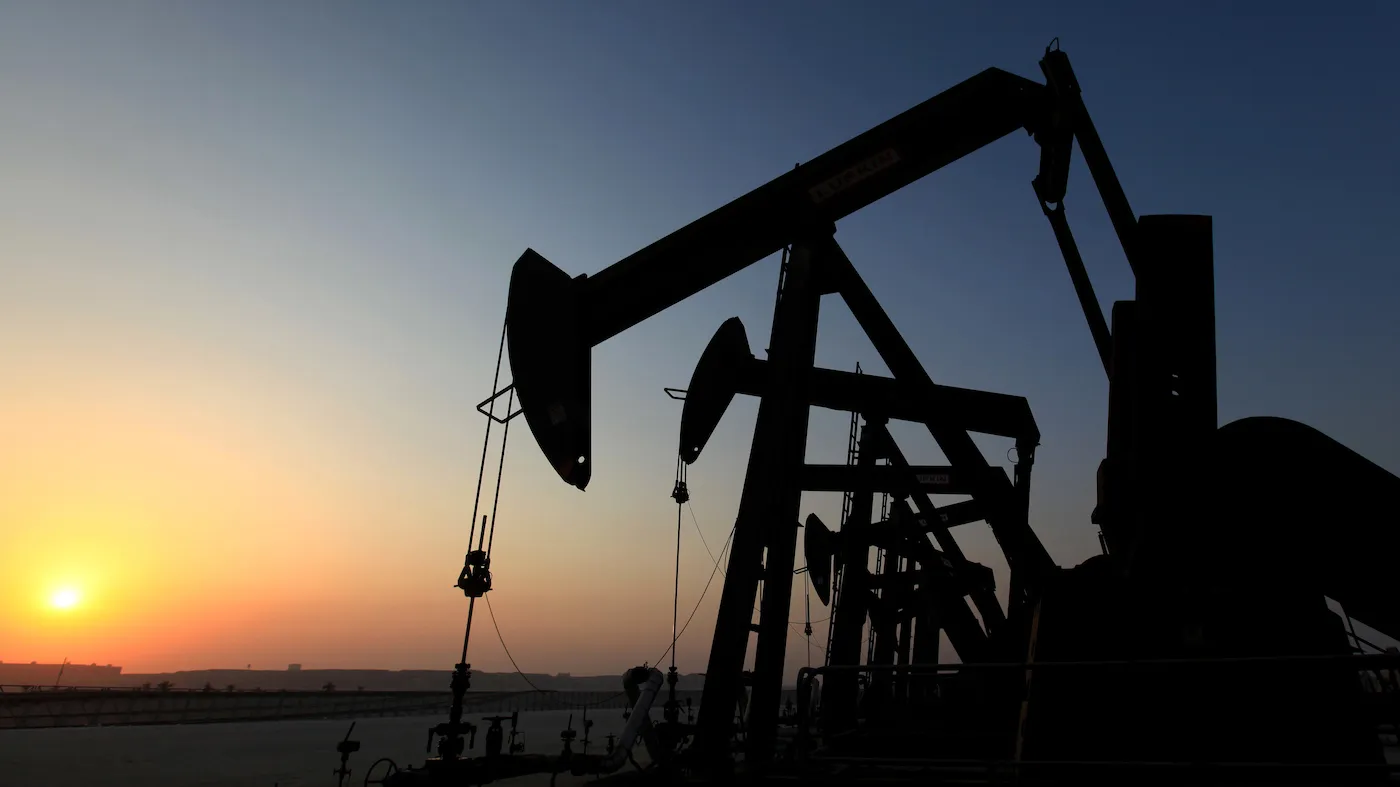
Oil prices have seen a significant increase of over 1% in global markets, as ongoing uncertainty in the Middle East continues to affect market stability. This rise occurs at a time when the world is experiencing political and economic tensions that directly impact energy markets.
According to reports, Brent crude prices have risen to around $90 per barrel, while West Texas Intermediate has recorded a similar increase. This rise reflects growing concerns among investors regarding oil supply amid ongoing crises in the region.
Details of the Event
This increase in oil prices comes at a sensitive time, as tensions in the Middle East escalate, particularly with recent events in several countries. These tensions raise concerns about the potential for disruptions in oil supplies, leading to price hikes.
Reports also indicate that some oil-producing countries may face challenges in increasing production due to political and economic conditions, further increasing market uncertainty. These combined factors contribute to rising prices and heighten investor anxiety.
Background & Context
Historically, the Middle East has been a major center for oil production, housing the largest oil reserves in the world. However, political events such as armed conflicts, economic sanctions, and changes in government policies significantly impact the stability of oil markets.
Over the years, oil prices have experienced substantial fluctuations due to these factors. Recently, some countries have attempted to reduce their dependence on oil, leading to changes in supply and demand dynamics in the market.
Impact & Consequences
The current rise in oil prices could significantly impact the global economy, as increased prices mean higher production and transportation costs, which may lead to price increases across various sectors. This situation could particularly affect countries that heavily rely on oil imports.
Moreover, rising oil prices could lead to increased inflation in some countries, placing additional pressure on governments and businesses. At the same time, oil-producing countries may benefit from this increase, as it can boost their revenues and help improve their budgets.
Regional Significance
For Arab countries, the rise in oil prices presents both opportunities and challenges. Oil-producing nations like Saudi Arabia and Iraq may benefit from increased revenues, enabling them to enhance development and infrastructure projects.
However, countries that depend on oil imports may face significant challenges due to rising prices, which could impact their budgets and increase economic burdens on citizens. Therefore, the current situation requires Arab governments to take effective measures to address these challenges.
In light of the prevailing uncertainty in the Middle East, the future of oil prices remains unclear. Investors and analysts must closely monitor developments, as any changes in the political or economic landscape could significantly affect the market.