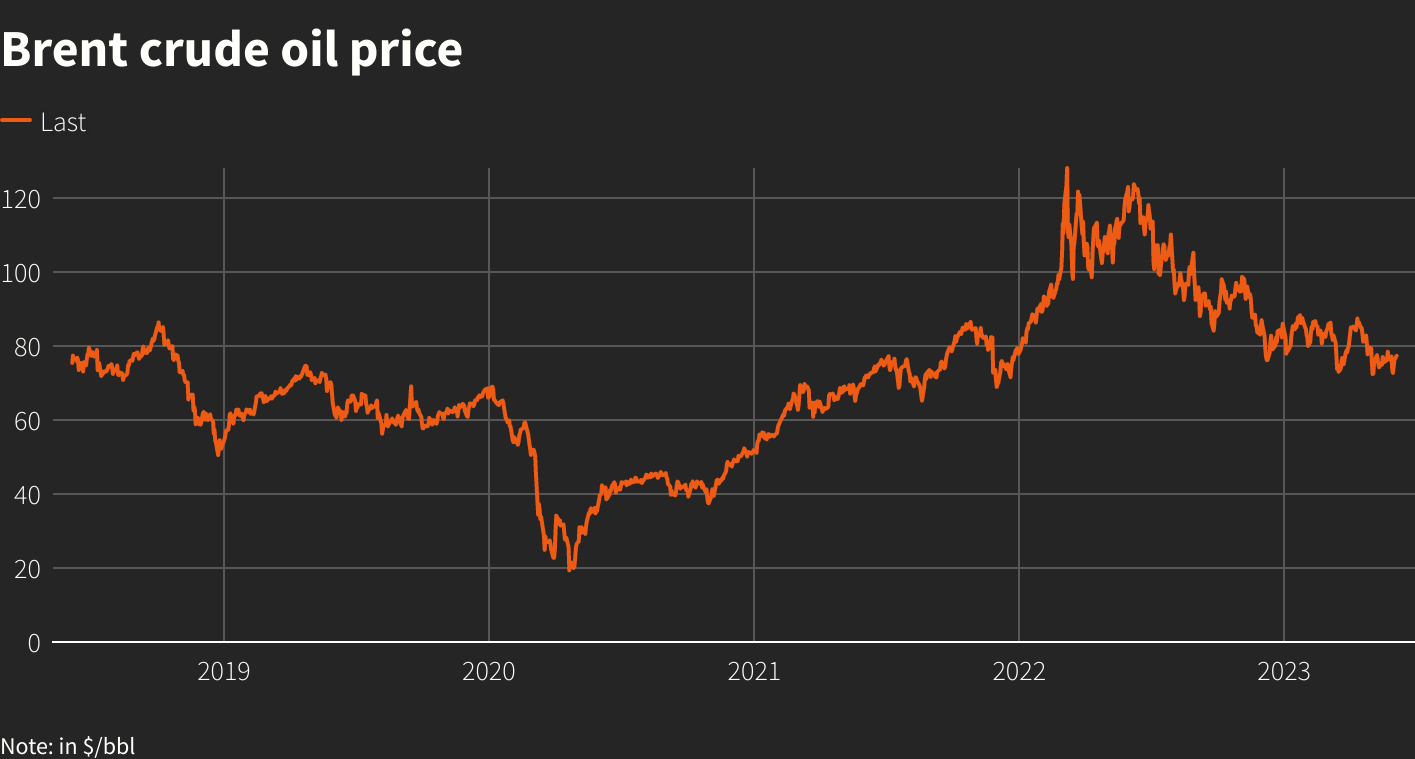
Global oil markets have experienced a substantial price increase, with futures contracts reaching a new record level of $114 per barrel. This surge comes at a sensitive time, as the United Arab Emirates recently announced its decision to exit the Organization of the Petroleum Exporting Countries (OPEC), prompting questions about the impact of this decision on the market.
In discussing this matter, an energy expert confirmed that there is a close relationship between the UAE's exit from OPEC and the rise in oil prices. He explained that the UAE was considered one of the key members of the organization and had contributed to price stability through its commitment to production quotas. With its exit, this could lead to increased production from other countries, resulting in price volatility.
Details of the Event
The UAE is one of the largest oil producers in the world and has played a prominent role in shaping OPEC policies. The decision made by the UAE is part of its efforts to enhance its independence in managing its oil resources. This decision has elicited mixed reactions in the markets, with some considering that it could lead to increased production and thus lower prices, while others believe it may contribute to rising prices due to instability.
On the other hand, some analysts point out that the price increase may also be driven by other factors, such as the rise in global demand for oil following the easing of COVID-19 restrictions, as well as geopolitical tensions in some major production areas.
Background & Context
Historically, OPEC has played a pivotal role in regulating the global oil market, striving to achieve a balance between supply and demand. However, recent years have witnessed significant changes in the market structure, with new countries emerging as competitors in production, such as the United States, which has become one of the largest producers thanks to shale oil extraction technologies.
The UAE's exit from OPEC could represent a major shift in market dynamics, potentially encouraging other countries to take similar steps, which could lead to further chaos in prices. This situation requires careful monitoring by investors and analysts in the energy sector.
Impact & Consequences
The rise in oil prices has direct effects on the global economy, as it can lead to increased transportation and energy costs, affecting the prices of goods and services. Additionally, oil-importing countries may face economic pressures due to rising energy costs, which could impact economic growth.
Conversely, exporting countries may benefit from rising prices, enhancing their revenues and allowing them to invest in new projects. However, if prices continue to rise, this could lead to a decline in global demand, creating a state of instability in the market.
Regional Significance
Arab countries are among the largest oil producers, so any changes in prices directly affect their economies. Rising prices may enhance the ability of producing countries to achieve economic stability, but at the same time, it may exacerbate economic crises in importing countries.
Ultimately, the question remains about the sustainability of this price increase and whether the UAE will reconsider its decision to exit OPEC in the near future. These developments will continue to attract significant attention from experts and analysts in the energy sector.