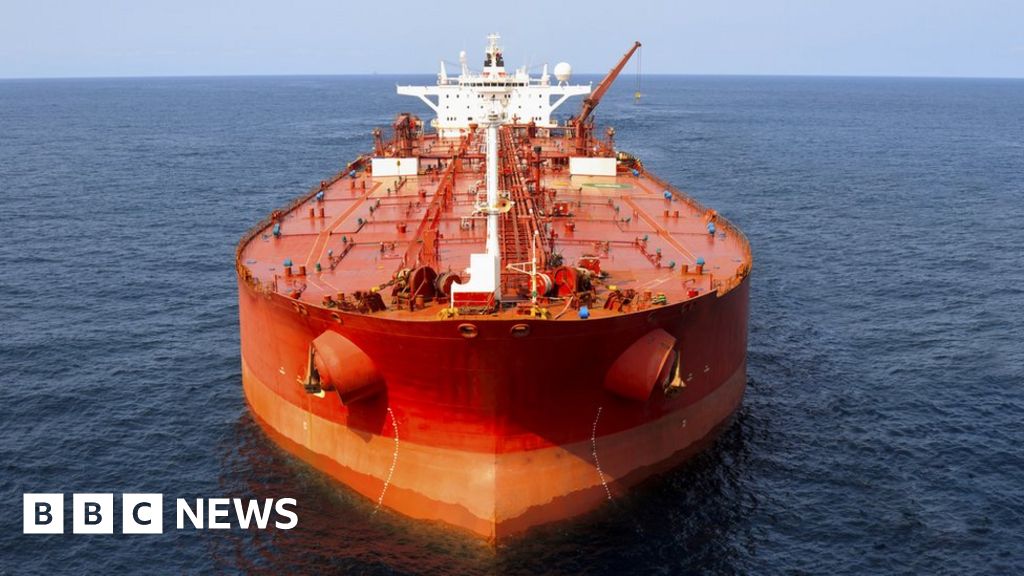
Global oil prices have experienced a significant increase, with Brent crude surpassing $115 per barrel early Monday morning, reflecting the escalating tensions in the conflict between the United States, Israel, and Iran. This rise comes after Iran-backed Houthis launched attacks on Israel over the weekend, exacerbating the crises in the region.
At the same time, Asian stock markets sharply declined, with Japan's Nikkei 225 index falling by 4.5%, while South Korea's KOSPI dropped by 4%. These movements reflect growing investor concerns regarding market stability amid the escalating conflict.
Details of the Event
Brent crude prices rose by more than 3% to reach $115 per barrel, while U.S. oil prices climbed to $103 after a 3.5% increase. This surge indicates that Brent crude is on track to achieve its largest monthly gain ever.
These developments come at a time when former U.S. President Donald Trump warned of the possibility of seizing Iranian oil fields, suggesting that the United States might take oil from Iran, a statement that raises concerns about a potential escalation in the conflict. Trump also mentioned the possibility of controlling Kharq Island, the center of Iranian oil, reflecting U.S. intentions in the region.
Background & Context
Historically, the Middle East has been a center of political and military conflicts, with Iran playing a pivotal role in many disputes. Relations between Iran and the United States have long been strained, especially after the U.S. withdrawal from the Iranian nuclear deal in 2018. These tensions have increased with the rise of Iranian military activities in the region, including support for the Houthis in Yemen.
In recent weeks, the region has witnessed an escalation in mutual attacks between Iran, the United States, and Israel, leading to instability in global oil markets. Iranian officials have warned that any attack on their country would be met with a strong response, heightening fears of a comprehensive military escalation.
Impact & Consequences
The rise in oil prices is a direct result of the increasing tensions in the region, as any escalation in the conflict could disrupt oil shipments through the Strait of Hormuz, a vital corridor for global oil trade. If this trend continues, we may see even higher oil prices, impacting the global economy and increasing energy costs.
Financial markets are also significantly affected by these events, as investors turn towards safe assets amid uncertainty. This trend could lead to a decline in investments in emerging markets, negatively impacting economic growth in those countries.
Regional Significance
The current events directly affect Arab countries, many of which rely on oil exports as a primary source of revenue. Rising oil prices may have a positive impact on the budgets of some oil-producing countries, but at the same time, it could lead to increased political and economic tensions in the region.
Moreover, the escalation of conflict in the Middle East could result in a flow of refugees and increased sectarian tensions, threatening stability in neighboring countries. It is crucial for Arab nations to remain vigilant and work towards enhancing regional cooperation to address these challenges.