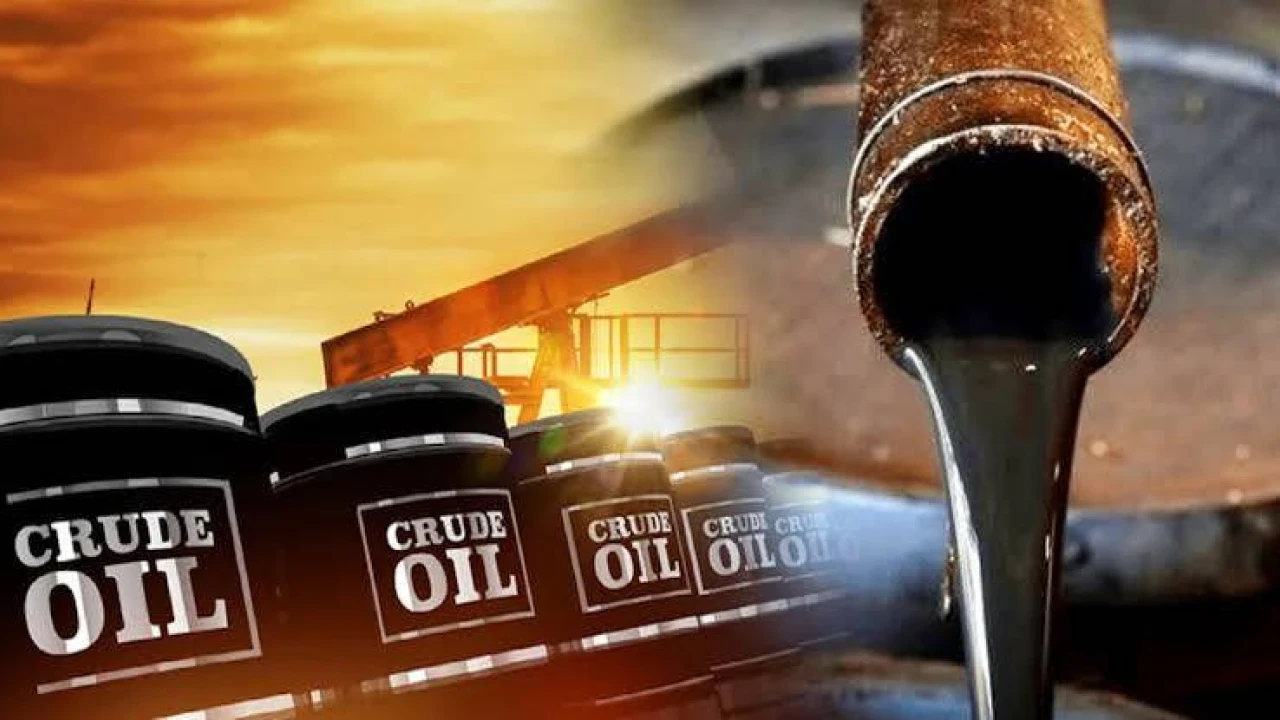
Oil prices have seen a significant increase of 3.3%, raising new concerns in global markets. This rise comes amid geopolitical tensions and economic movements affecting market stability.
Concerns are growing about the impact of these price increases on the global economy, as oil is considered one of the key drivers of economic growth. Several factors have contributed to this rise, including tensions in the Middle East and recent OPEC+ decisions regarding production.
Details of the Event
Recently, the Organization of the Petroleum Exporting Countries (OPEC) and its allies announced production cuts, leading to a noticeable increase in prices. This decision came at a sensitive time, as many countries are striving to recover economically after the repercussions of the COVID-19 pandemic.
Moreover, geopolitical tensions in regions such as the Middle East play a significant role in driving up prices. Ongoing conflicts in some oil-producing countries directly affect market supplies, increasing anxiety among investors.
Background & Context
Historically, oil prices have experienced significant fluctuations due to political and economic events. For example, in 2020, the COVID-19 pandemic led to a sharp decline in oil demand, negatively impacting prices. However, prices began to recover gradually as economic activity resumed.
Oil prices are an important indicator of global economic health, affecting transportation and production costs across various industries. Consequently, any increase in prices can lead to rising inflation and impact consumers' purchasing power.
Impact & Consequences
The current increase in oil prices could have negative effects on the global economy. Rising prices may burden consumers and businesses, leading to reduced consumer spending and investment.
Furthermore, oil-importing countries may need to reassess their economic and financial policies to address these challenges. Conversely, exporting countries may benefit from this increase, enhancing their revenues and increasing their capacity to invest in development projects.
Regional Significance
Arab countries are among the largest oil producers in the world, and thus any changes in oil prices directly affect their economies. Countries like Saudi Arabia, Iraq, and Kuwait heavily rely on oil revenues, making them vulnerable to market fluctuations.
At the same time, rising prices may boost investments in renewable energy projects in the region, as countries seek to diversify their income sources and reduce dependence on oil.
In conclusion, the 3.3% rise in oil prices reflects the ongoing challenges facing global markets. Amid geopolitical tensions and economic transformations, the future of oil prices remains uncertain, requiring countries and investors to take proactive steps to address these challenges.