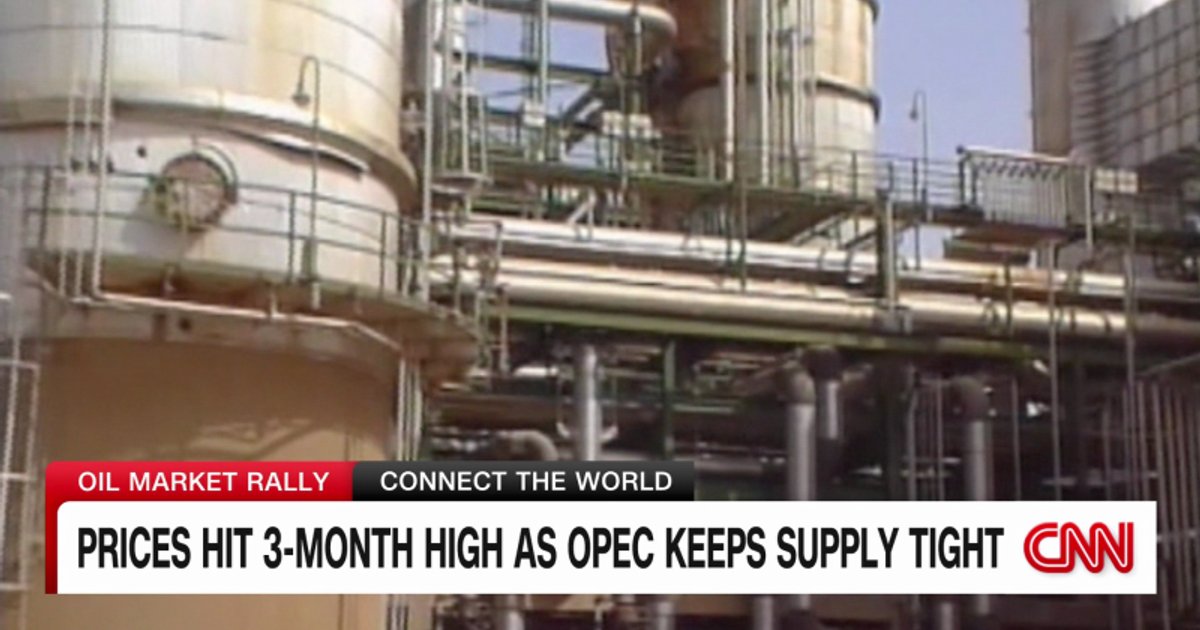
Oil prices jumped by 4% in global markets, driven by increasing fears of supply shortages. This rise comes amid geopolitical tensions and disruptions in key production areas, raising investor concerns about market stability.
Oil prices have been significantly affected in recent days due to several factors, including political tensions in some oil-producing countries, along with expectations of production cuts by certain OPEC member states. These factors have led to increased demand for oil in the markets, contributing to the rise in prices.
Details of the Event
Oil prices recorded a notable increase, surpassing $90 per barrel for Brent crude, reflecting fears of supply shortages amid rising demand. Recent data has shown that global oil inventories have decreased, further increasing pressure on prices.
At the same time, reports indicate that some oil-producing countries are facing challenges in maintaining production levels, heightening concerns about the market's ability to meet increasing demand. These combined factors have led to swift reactions from investors, who have begun purchasing oil as a hedge against rising prices.
Background & Context
Historically, oil markets have experienced significant fluctuations due to geopolitical and economic events. In recent years, several crises have led to price increases, such as conflicts in the Middle East and sanctions imposed on certain oil-producing countries.
Moreover, changes in global energy policies, such as the shift towards renewable energy, play a role in shaping the future of oil markets. Nevertheless, oil remains a fundamental part of the global energy mix, making any changes in supply directly impact prices.
Impact & Consequences
The rise in oil prices has multiple effects on the global economy. On one hand, it can lead to increased transportation and production costs, negatively reflecting on the prices of goods and services. On the other hand, some oil-producing countries may benefit from this increase, bolstering their economies.
Additionally, rising prices may push consuming countries to seek alternatives for energy, potentially accelerating the transition towards renewable energy sources. This shift could impact traditional oil investments in the long term.
Regional Significance
Arab oil-producing countries are among the most affected by fluctuations in oil prices. Rising prices can enhance the revenues of Gulf countries, aiding in the financing of development and infrastructure projects.
However, the heavy reliance on oil as a core element of the economy may expose these countries to future risks in the event of a sudden price drop. Therefore, economic diversification is essential to ensure sustainability and growth in the long term.
In conclusion, the rise in oil prices remains a vital topic affecting the global economy, necessitating strategic actions from both producing and consuming countries to address future challenges.