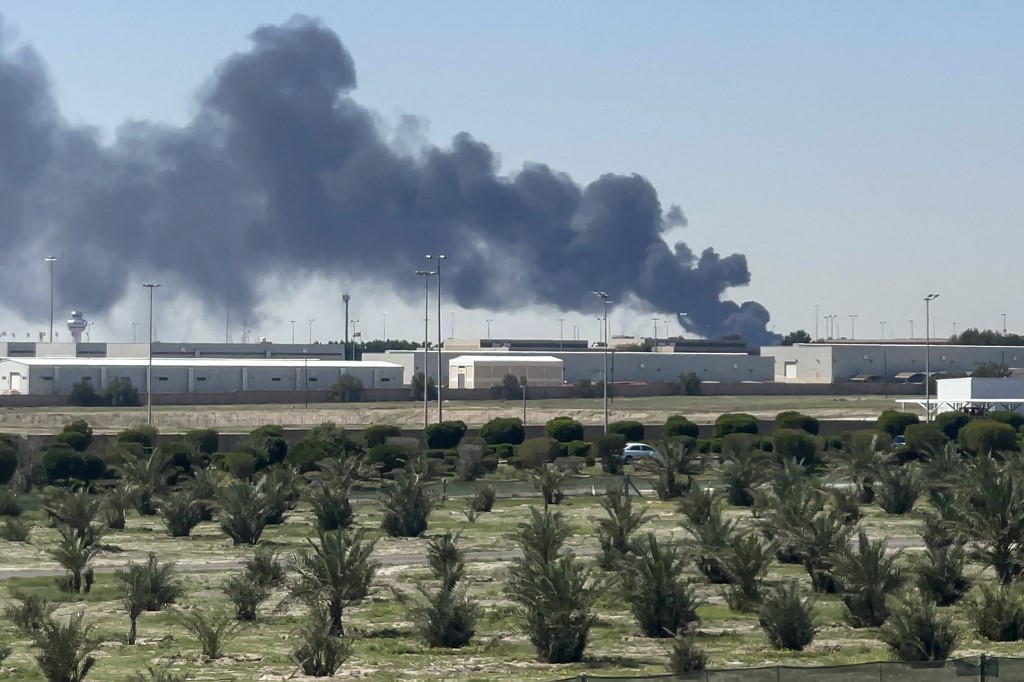
Oil prices have seen a significant rise after U.S. President Donald Trump renewed his threats to target Iranian infrastructure. Brent crude, the global benchmark, increased by approximately 8% on Friday, exceeding $109 per barrel. This surge comes amid escalating geopolitical tensions in the region, raising concerns about the potential impact on global energy markets.
This price increase is part of a series of hikes that oil prices have experienced since the onset of the conflict, with prices rising nearly 50% since the beginning of the war. This has led to increased fuel costs worldwide and prompted governments to take measures to conserve energy.
Details of the Event
The renewed American threats against Iran come at a sensitive time, as tensions between the two countries escalate. This escalation followed a series of incidents in the region, heightening fears of a direct military conflict. Trump indicated that the United States reserves the right to take action against Iran if it continues to threaten its interests.
The rise in oil prices reflects the general market anxiety regarding stability in the Middle East, one of the largest oil-producing regions in the world. Data has shown that demand for oil remains strong, further increasing pressure on prices under these tense conditions.
Background & Context
Historically, U.S.-Iran relations have been strained, especially since the U.S. withdrawal from the nuclear agreement in 2018. This move led to the imposition of strict economic sanctions on Iran, significantly impacting its economy. As tensions have escalated, oil prices have become susceptible to volatility, as many countries rely on Iranian oil as a primary energy source.
In recent years, the region has witnessed numerous political and military crises, contributing to increased instability. With the escalation of conflicts, it has become clear that any rise in tensions could have significant effects on global oil markets.
Impact & Consequences
The increase in oil prices is a direct result of geopolitical tensions, affecting the global economy as a whole. Rising oil prices mean higher transportation and production costs, which could lead to increased prices for consumers worldwide. Additionally, oil-importing countries will face greater challenges in managing their budgets.
Some reports predict that oil prices will continue to rise if tensions between the U.S. and Iran persist. This may drive countries to seek alternative energy sources, potentially leading to changes in global energy strategies.
Regional Significance
For Arab countries, rising oil prices can have dual effects. On one hand, oil-producing countries may benefit from increased revenues, bolstering their economies. On the other hand, oil-importing countries may face significant challenges in managing energy costs, which could impact their economic stability.
Ultimately, the situation in the region remains volatile, with much depending on how U.S.-Iran relations evolve. As tensions continue, it is likely that oil prices will remain fluctuating, necessitating proactive measures from countries to address these challenges.