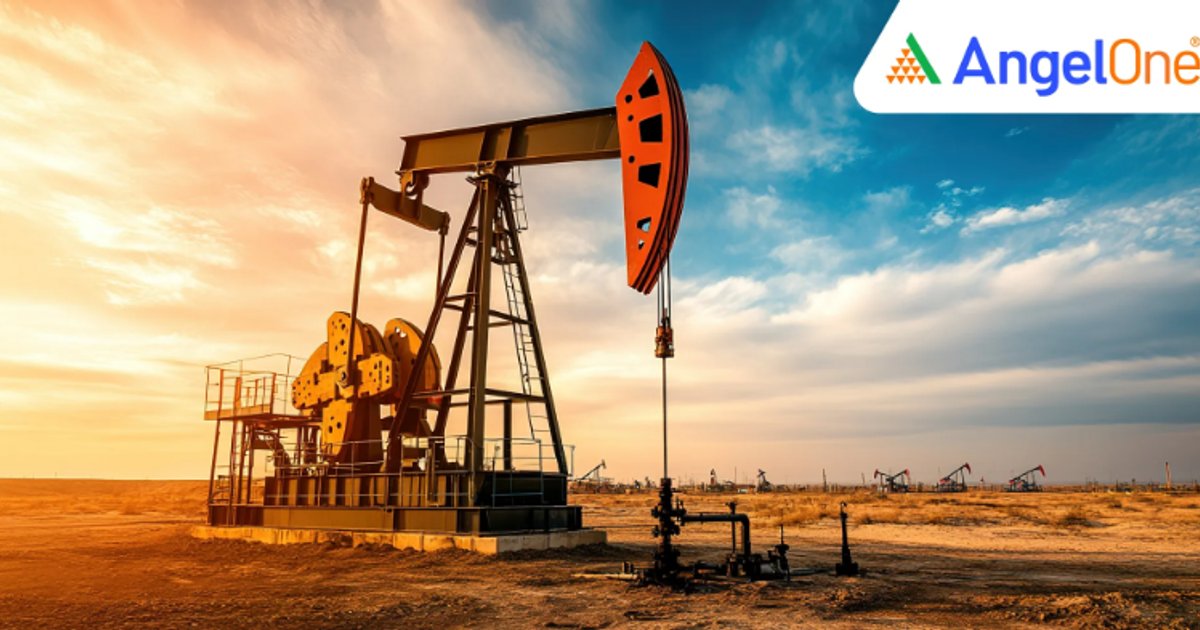
Brent oil prices are experiencing record monthly highs, with forecasts suggesting prices may reach unprecedented levels. This increase comes at a time when Asian markets are suffering from a significant downturn, raising concerns about economic stability in the region.
Global markets are under increasing pressure due to the ongoing conflict in Iran, which threatens to disrupt oil supplies. This conflict has heightened fears of supply shortages, contributing to a notable rise in prices.
Event Details
Reports indicate that oil prices have risen by as much as 10% this month, reflecting growing anxiety in global markets. Asian markets have seen declines in stocks, with major stock indices in several countries dropping, illustrating the impact of the Iranian conflict on the global economy.
This increase in oil prices is a direct result of geopolitical tensions, as events in Iran significantly affect global markets. These tensions have led to increased demand for oil as a safe haven, further driving up prices.
Background & Context
Historically, oil prices have experienced significant fluctuations due to geopolitical conflicts, with Iran always being a key player in global oil markets. The current conflict in Iran is part of a series of events that began several years ago, including economic sanctions and military tensions.
Iran is one of the largest oil producers in the world, and any disruptions in this country directly affect global oil supplies. In recent years, oil markets have seen considerable volatility due to tensions in the region, making them susceptible to political events.
Impact & Consequences
The record surge in oil prices could have significant effects on the global economy, potentially leading to increased transportation and production costs, which would negatively impact the prices of goods and services. Additionally, rising oil prices can affect inflation in many countries, increasing pressure on governments.
Moreover, the decline in Asian markets may lead to negative repercussions for economic growth in the region, as these markets are major drivers of the global economy. If tensions in Iran persist, we may witness further volatility in the markets.
Regional Significance
For the Arab region, rising oil prices could have both positive and negative effects. On one hand, oil-producing countries may benefit from increased revenues, bolstering their economies. On the other hand, rising prices may negatively impact oil-importing countries, increasing energy costs.
In light of these circumstances, Arab countries need to adopt effective strategies to cope with fluctuations in oil prices, including diversifying income sources and boosting investments in non-oil sectors.