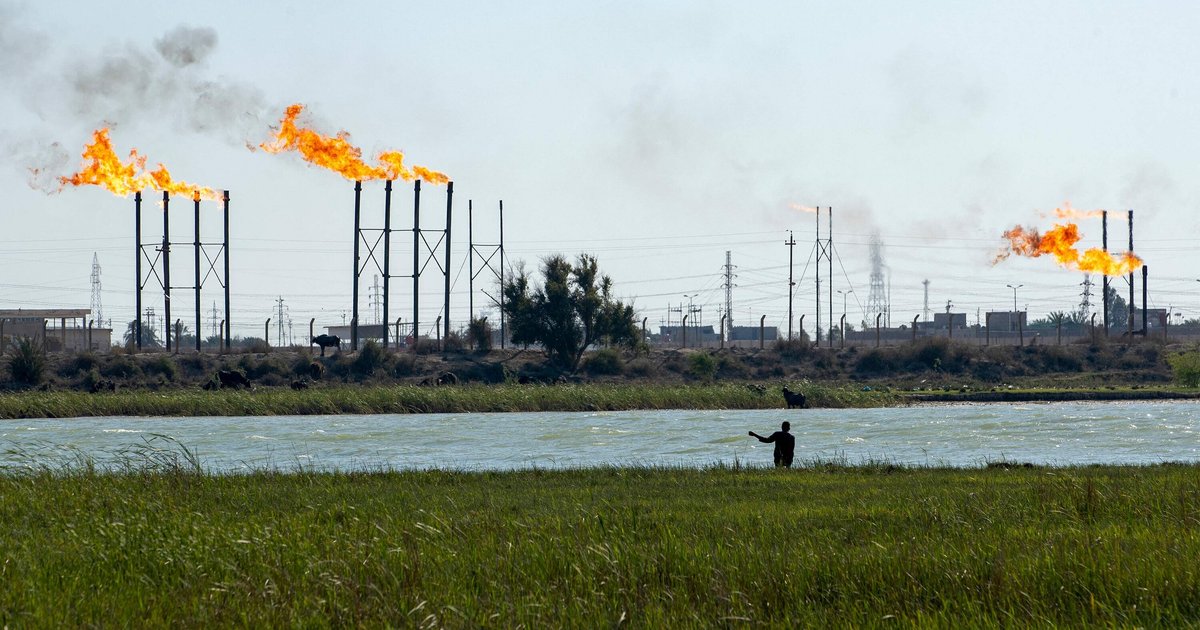
Global oil prices have surged significantly, with the price of a barrel of Brent crude surpassing $90, driven by escalating geopolitical conflicts in vital regions such as the Middle East. This rise reflects growing concerns about the impact of wars and conflicts on oil supplies, threatening economic stability in many countries.
There are increasing fears that these conflicts could lead to a reduction in oil production, potentially driving prices even higher. Experts have indicated that this dynamic could directly affect global markets, especially given the heavy reliance of many countries on oil as a primary energy source.
Event Details
Recently, the region has witnessed a rise in military tensions, prompting investors to adopt cautious positions. Data has shown that oil prices increased by as much as 10% just last week, reflecting the growing anxiety over the impact of conflicts on supplies. Reports also indicate that some oil-producing countries may face difficulties in maintaining production levels due to deteriorating security conditions.
Additionally, economic reports suggest that the demand for oil remains strong, particularly as the global economy recovers from the COVID-19 pandemic. This recovery enhances the need for oil, further increasing pressure on prices amid supply instability.
Background & Context
Historically, oil prices have been significantly affected by geopolitical conflicts, with the Middle East being one of the largest oil-producing regions in the world. Ongoing conflicts in this area, such as the wars in Syria and Yemen, directly impact the stability of oil supplies. Furthermore, sanctions imposed on certain oil-producing countries, such as Iran, complicate the situation.
In recent years, oil markets have experienced substantial volatility due to these conflicts, prompting consuming nations to seek alternative energy sources. However, oil continues to maintain its position as one of the most important energy sources globally.
Impact & Consequences
The current rise in oil prices could have widespread implications for the global economy. Consuming countries may face increased energy costs, potentially leading to higher prices for goods and services. While oil-producing nations may benefit from this increase, they could also face challenges in maintaining production levels amid ongoing conflicts.
Moreover, the rise in oil prices could influence the economic policies of nations, as governments may need to take measures to address rising inflation. This situation could lead to changes in monetary and fiscal policies, impacting investments and economic growth.
Regional Significance
For Arab countries, the rise in oil prices can have dual effects. On one hand, oil-producing nations like Saudi Arabia and the United Arab Emirates may benefit from increased revenues, enhancing their capacity to implement development projects. On the other hand, oil-importing countries may face economic challenges due to rising energy costs.
This situation could exacerbate economic crises in some countries, particularly those with weak economic infrastructure. Additionally, political tensions may further complicate the situation, requiring swift responses from governments to address these challenges.
In conclusion, the situation in oil markets remains volatile, necessitating concerned nations to take proactive measures to ensure stability in supplies and prices. The challenges facing the region require international coordination to ensure the stability of global energy markets.