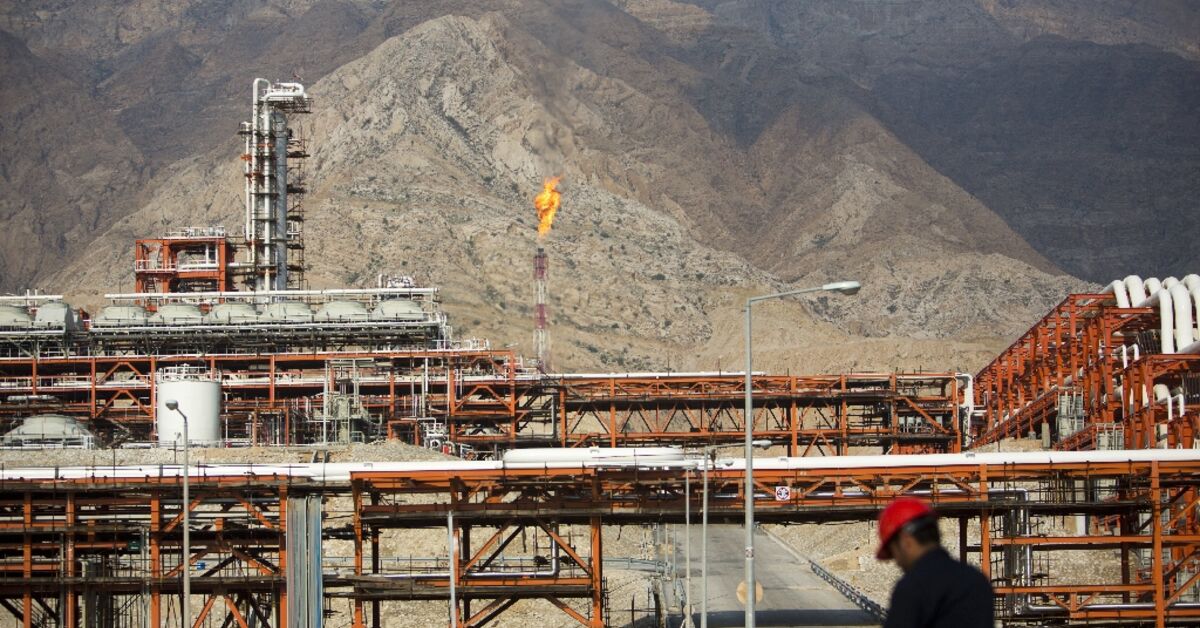
Oil prices saw a significant increase on Tuesday, with West Texas Intermediate crude surpassing $115 per barrel, marking the highest level in a month. This surge is occurring amidst ongoing tensions in the Middle East, as investors await the outcome of political pressures on Iran regarding the reopening of the Strait of Hormuz, which is considered one of the most crucial maritime routes for oil transport globally.
At the same time, global stock markets displayed mixed performances. Markets such as Tokyo showed slight stability, while Singapore and Jakarta experienced declines. Conversely, markets in Shanghai, Sydney, Seoul, and Taipei recorded notable increases. Meanwhile, Hong Kong remained closed due to a holiday.
Details of the Event
The rise in oil prices is indicative of growing concerns in global markets regarding oil supply, particularly in light of geopolitical tensions. Some analysts have suggested that this increase may persist if swift political solutions are not reached. Furthermore, any escalation in conflict could lead to further price hikes, impacting the global economy.
Attention is currently focused on the United States, where investors are awaiting statements from President Donald Trump regarding Iran. The Strait of Hormuz is a vital point for oil transportation, with approximately 20% of the world’s total oil passing through it. Any closure or threat of closure of this strait could lead to significant market disruptions.
Background & Context
Historically, the Middle East has witnessed numerous conflicts that have directly impacted oil prices. For decades, tensions between oil-producing countries, such as Iran and Saudi Arabia, have played a pivotal role in determining global oil prices. In recent years, these tensions have escalated due to economic sanctions imposed on Iran, affecting its ability to export oil.
Political crises in other countries, such as Libya and Venezuela, have also contributed to price volatility. With each new crisis, fears of supply shortages increase, leading to rapid price hikes.
Impact & Consequences
The rise in oil prices directly affects the global economy, leading to increased transportation and production costs, which in turn reflects on the prices of goods and services. In oil-importing countries, this increase may lead to inflationary pressures, impacting citizens' purchasing power.
On the other hand, oil-producing countries benefit from these price hikes as their revenues increase. However, these benefits may be temporary if tensions in the region continue, potentially leading to new price fluctuations.
Regional Significance
Arab oil-producing countries, such as Saudi Arabia and the UAE, are among the most affected by rising oil prices. This increase can lead to higher government revenues, contributing to the implementation of developmental projects. However, these countries must also be cautious of potential price fluctuations due to political tensions.
Ultimately, the situation in the Middle East remains complex, with economic factors intertwining with political ones. It requires careful monitoring of events and developments to ensure market stability.