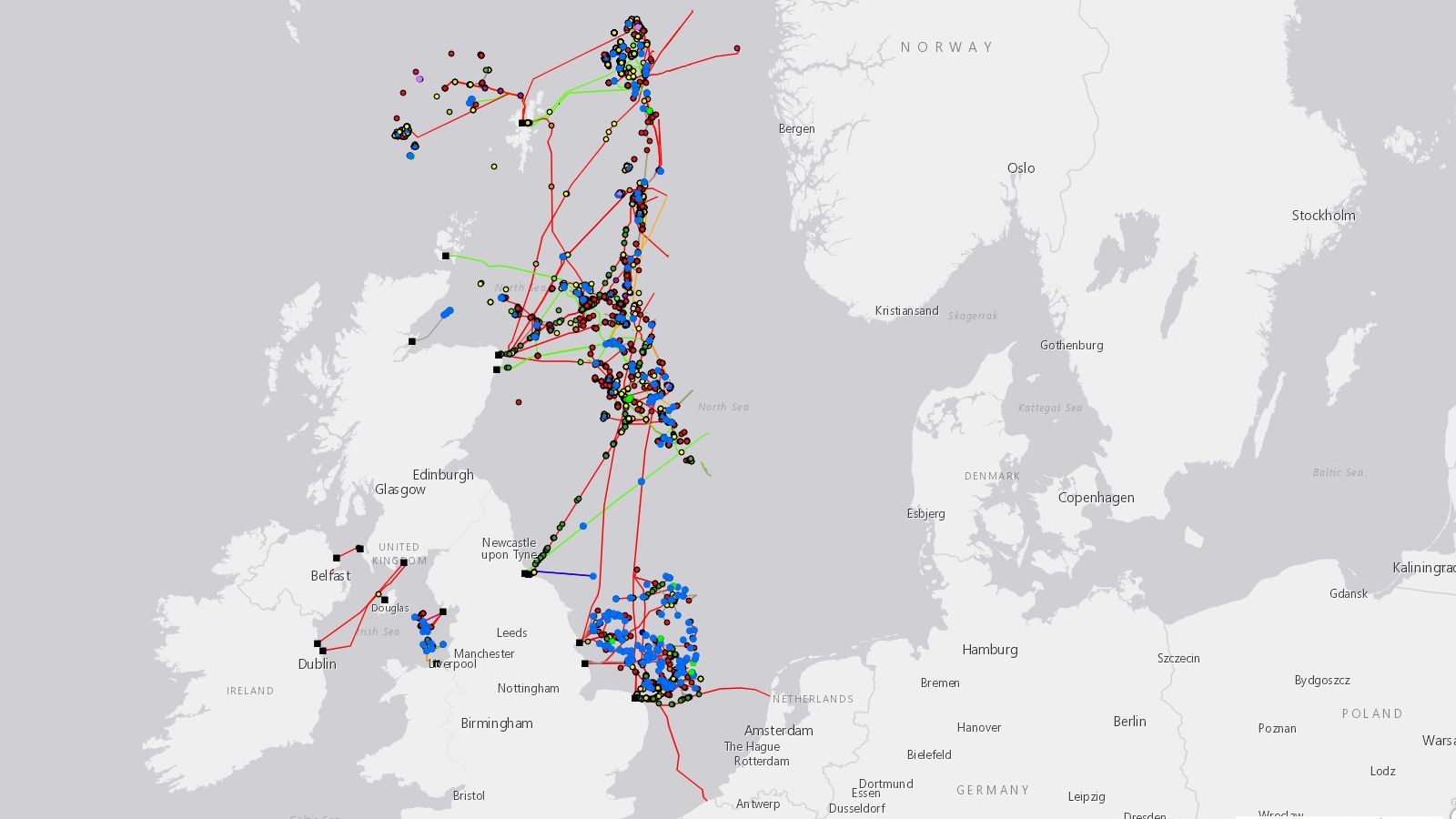
Global oil markets are facing significant challenges recently, with 12 unresponded offers submitted during the oil pricing period in the North Sea. These offers reflect the increasing pressures on oil supplies due to escalating tensions from the Iranian war and its impact on global production.
These events indicate a rising demand for oil, as prices have notably increased, reflecting growing investor concerns about market stability. The Iranian war has led to a reduction in supplies, causing markets to oscillate between rising demand and limited supply.
Details of the Current Situation
The oil pricing period in the North Sea is a critical time for determining global oil prices. With rising demand, it has become evident that there is a gap between supply and demand, leading to a significant increase in prices. Reports suggest that these unresponded offers could exacerbate the situation in the markets, as traders and investors seek to secure their supplies under the current conditions.
Moreover, the Iranian war has significantly affected oil production in the region, leading to a decline in supplies. This production decline contributes to rising prices, as consumers strive to secure their oil needs amid these volatile conditions.
Background & Context
Historically, oil markets have witnessed numerous crises due to conflicts and wars in major production areas. The Iranian war is not the first of its kind, as previous crises have led to significant price fluctuations. However, the current situation is considered one of the most sensitive times, with geopolitical tensions in the region escalating.
The impact of the Iranian war on oil markets is not new, but it is currently increasing significantly. As fears of supply disruptions grow, investors are turning to seek alternatives, further increasing pressure on prices.
Impact & Consequences
The increase in oil prices directly affects the global economy, contributing to rising transportation and production costs. This increase could lead to higher prices for goods and services, impacting living standards in many countries. Additionally, oil-importing countries may face greater challenges in meeting their energy needs.
On the other hand, oil-producing countries may benefit from rising prices, as this can lead to increased revenues. However, these countries must be cautious of political tensions that could affect the stability of their markets.
Regional Significance
The significance of oil prices extends beyond mere economic indicators; they are vital for global economic health. The ongoing Iranian war highlights the fragility of supply chains and the interconnectedness of global markets.
In conclusion, the current situation underscores the importance of stability in oil prices for the global economy, as fluctuations can have widespread repercussions across various sectors.