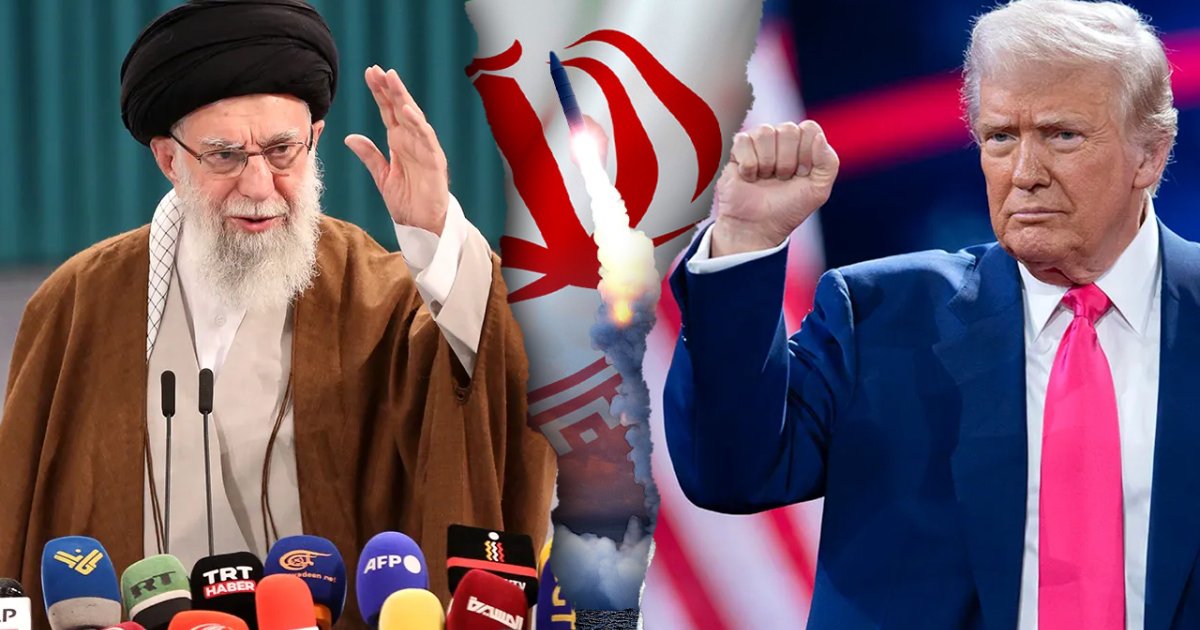
Oil prices have seen a notable increase, with the global market experiencing a significant rise following threats from U.S. President Donald Trump to escalate attacks on Iran, including targeting energy infrastructure and water desalination plants. This escalation occurs amid an ongoing conflict that has entered its fifth week, with no signs of de-escalation.
In a post on Truth Social, Trump indicated that if Tehran does not reopen the Strait of Hormuz and agree to a peace deal to end the war, the United States would destroy electrical facilities and oil facilities, and possibly even the water desalination infrastructure.
Details of the Event
Prices for West Texas Intermediate crude for May rose by 3.5%, reaching $106.44 per barrel, reflecting a monthly increase of 56.8%, the largest monthly rise since 2020. Meanwhile, Brent prices increased by 2%, reaching $115.17 per barrel, with a monthly increase of 58.6%, putting it on track for the largest monthly increase ever.
In a related incident, a fully loaded Kuwaiti oil tanker was attacked in a mooring area near the Dubai port, resulting in a fire, but no injuries were reported. The government in Dubai confirmed that it is working to extinguish the fire.
Background & Context
Historically, the Strait of Hormuz is one of the most important waterways in the world, through which approximately 20% of total global oil shipments pass. The current conflict in the region began on February 28, leading to a near-total halt of shipping through this vital corridor, raising concerns about negative impacts on the global market.
Trump has oscillated between praising talks with Iran as a positive step and warning of his readiness to send more military forces to the region. He noted that Tehran agreed to most terms of a 15-point ceasefire agreement, while Iran responded by rejecting the terms and setting its own conditions, including maintaining control over the Strait of Hormuz.
Impact & Consequences
The U.S. threats to escalate attacks could exacerbate the situation in the region, increasing the likelihood of American casualties and prolonging the conflict. Experts warn that any ground operation to seize Kharq Island, a major center for Iranian oil exports, could lead to a significant escalation in the conflict.
The rise in oil prices could directly impact the global economy, as any increase in energy prices affects production and transportation costs, potentially leading to inflation worldwide.
Regional Significance
For Arab countries, the escalating conflict in the region and rising oil prices pose a significant challenge. Many countries heavily rely on oil revenues, and any increase in prices could mean higher revenues, but at the same time, tensions could lead to economic instability.
In conclusion, the situation in the Middle East remains complex, with overlapping political and economic interests making it difficult to predict the course of events. The continuation of the conflict could have far-reaching implications for security and stability in the region.