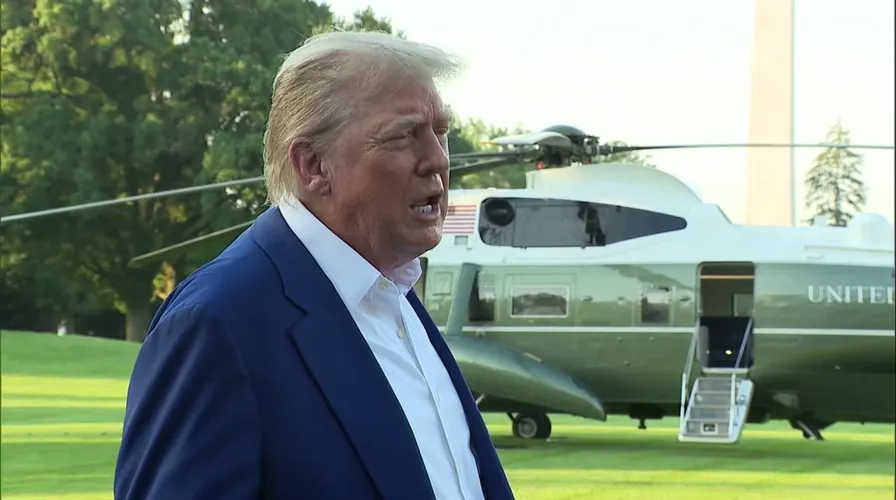
Oil prices are witnessing notable fluctuations in global markets, with reports indicating that U.S. allies are making intensive efforts to secure a potential ceasefire in the ongoing conflict with Iran. This development coincides with U.S. President Donald Trump announcing a new extension for Tehran to reopen the Strait of Hormuz, as negotiations continue between his envoys and Iranian leadership.
Financial markets are under increasing pressure, with U.S. stock futures rising, while oil prices are experiencing sharp volatility. These developments come at a highly sensitive time as the international community seeks to stabilize the region following escalating military tensions.
Event Details
In this context, Jeffrey Stewart from GPO Fund emphasized the importance of monitoring this year's IPO plans, including SpaceX, which could play a pivotal role in the global economy. Thierry Weizmann from Macquarie Group discussed how traders are assessing Trump's rhetoric and its impact on the markets.
Concerns are growing that the continuation of the conflict may exacerbate economic crises in the region, negatively affecting oil prices and impacting the global economy.
Background & Context
Historically, the Strait of Hormuz is a vital point for oil transportation, with approximately 20% of global oil supplies passing through it. The ongoing conflict between the United States and Iran has roots extending several years back, with relations between the two countries becoming increasingly strained following the U.S. withdrawal from the Iranian nuclear deal in 2018.
Iran is seeking to enhance its influence in the region, while the United States and its allies are attempting to curb this influence. These dynamics directly affect oil prices and global financial markets.
Impact & Consequences
The potential repercussions of these developments are manifold, as any escalation in the conflict could lead to a significant rise in oil prices, impacting the global economy and increasing living costs. Additionally, the stability of the region heavily depends on the outcomes of the current negotiations.
If the parties can reach an agreement for a ceasefire, the market may experience relative stability, which could contribute to lowering oil prices and fostering economic growth in several countries.
Regional Significance
The Arab oil-producing countries in the Gulf are among the most affected by fluctuations in oil prices. Any escalation in the Iranian-American conflict could lead to increased tensions in the region, adversely affecting the economies of these nations.
At the same time, new opportunities for cooperation between Arab countries and the United States in energy and security sectors may arise, enhancing regional stability.
As negotiations between the United States and Iran unfold, all eyes remain focused on the developments that could determine the future of oil prices and the stability of the region.