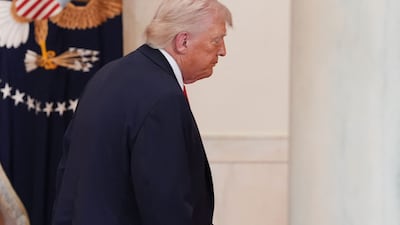
Global financial markets have witnessed sharp fluctuations, with oil prices rising significantly while stocks declined, following statements from U.S. President Donald Trump, who pledged to carry out a 'severe' strike against Iran. These remarks come at a highly sensitive time, as tensions in the Middle East have increased, raising investor concerns about market stability.
These developments coincide with escalating tensions between the United States and Iran, where fears of a military conflict are growing, potentially impacting global oil markets significantly. This situation has led to increased demand for oil, contributing to rising prices to new levels.
Details of the Event
In statements made by Trump, he confirmed that the United States would take strict actions against Iran, raising concerns among investors in financial markets. Oil prices surged by up to 3%, with Brent crude reaching $86 per barrel, while major U.S. stock indices declined, reflecting the prevailing uncertainty in the markets.
These developments come at a time when Iran is facing increasing pressure from the international community due to its nuclear program and regional behavior. Trump warned that any provocative actions by Iran would be met with a strong response from the United States, further heightening tensions in the region.
Background & Context
Historically, U.S.-Iranian relations have seen increasing tensions since the U.S. withdrawal from the nuclear agreement in 2018. Since then, the United States has imposed strict economic sanctions on Iran, significantly impacting its economy. These sanctions have exacerbated economic and social crises in Iran, leading it to escalate tensions in the region.
Recent events, including attacks on oil facilities in Saudi Arabia, have further intensified tensions in the area. Oil is considered one of the vital resources in the global economy, and any escalation in conflict could significantly affect oil supplies and prices.
Impact & Consequences
Trump's recent statements could exacerbate the situation in the Middle East, increasing the likelihood of military conflict. This escalation could significantly impact oil prices, as the global economy heavily relies on stable oil prices. Additionally, any escalation in conflict could lead to increased tensions among other countries in the region, negatively affecting regional stability.
Moreover, the decline in stock markets reflects the prevailing anxiety among investors as they seek to protect their investments amid changing conditions. This downturn could have negative effects on economic growth in the United States and around the world.
Regional Significance
The Arab region is one of the most affected areas by the tensions between the United States and Iran. Arab countries, especially those reliant on oil, may face significant challenges amid rising oil prices and declining investments. Furthermore, any escalation in conflict could have negative repercussions on security and stability in the region.
In conclusion, the situation in the region remains complex, with political and economic interests intertwined. It is crucial to closely monitor developments, as any changes could significantly impact the economic and political conditions in the area.