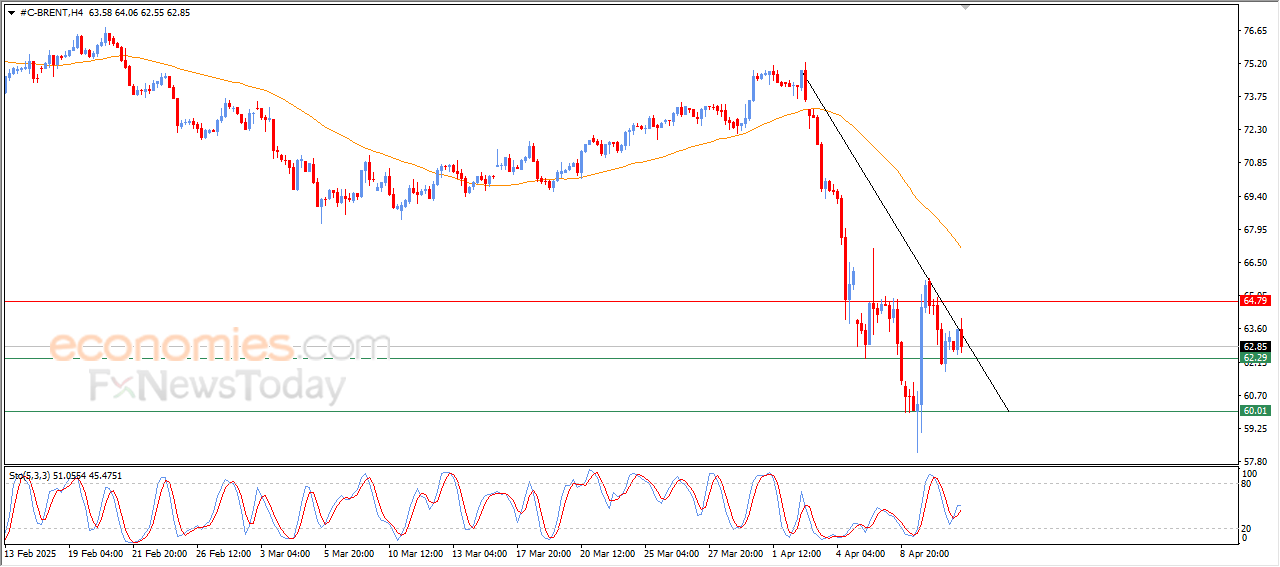
Oil prices have experienced a notable increase in recent days, with Brent crude closing at $109.77 per barrel. This rise occurs during a time when the global market is facing significant fluctuations due to geopolitical tensions and increased energy demand in various countries.
The price of oil has been influenced by several factors, including political unrest in some oil-producing nations, as well as rising consumption in major markets such as China and the United States. These factors have led to increased pressure on supplies, contributing to a significant rise in prices.
Details of the Event
Data shows that oil prices rose by 3% over the past week, reflecting growing concerns about supply. Additionally, tensions in the Middle East, particularly in oil-producing countries, play a crucial role in this increase. Analysts have indicated that prices may continue to rise if these tensions persist.
Furthermore, the increasing demand for oil in Asian markets, especially from China, which is experiencing an economic recovery post-COVID-19, is also contributing to rising prices. There are expectations that demand will continue to increase in the coming months, potentially leading to further price hikes.
Background & Context
Historically, oil prices have seen significant fluctuations due to political and economic events. For instance, in 2020, prices were severely affected by the COVID-19 pandemic, leading to a sharp decline in demand. However, the market has gradually begun to recover, and with the return of economic activity, prices have started to rise again.
In recent years, there have been attempts by some oil-producing countries, such as Saudi Arabia and Russia, to curb production in order to support prices. These strategies have proven effective at times, but they have also faced criticism for their impact on the global economy.
Impact & Consequences
The rise in oil prices has multiple effects on the global economy. On one hand, it can lead to increased revenues for oil-producing countries, bolstering their budgets. On the other hand, it may raise energy costs in consuming countries, negatively impacting economic growth.
Additionally, rising prices can affect the prices of other goods and services, leading to increased inflation. This situation may put pressure on governments to adopt new economic policies to address these challenges.
Regional Significance
For Arab oil-producing countries, the rise in prices represents an opportunity to strengthen national economies and increase investments. Countries like Saudi Arabia and the UAE could significantly benefit from this increase in revenues.
However, these countries must be cautious about over-reliance on oil as a primary source of revenue, especially in light of climate change and global trends toward renewable energy. Economic diversification becomes an urgent necessity to ensure sustainability in the future.
In conclusion, the rise in oil prices remains a contentious issue, carrying both opportunities and challenges. It is important to monitor market developments and geopolitical changes to understand their impact on the global economy.