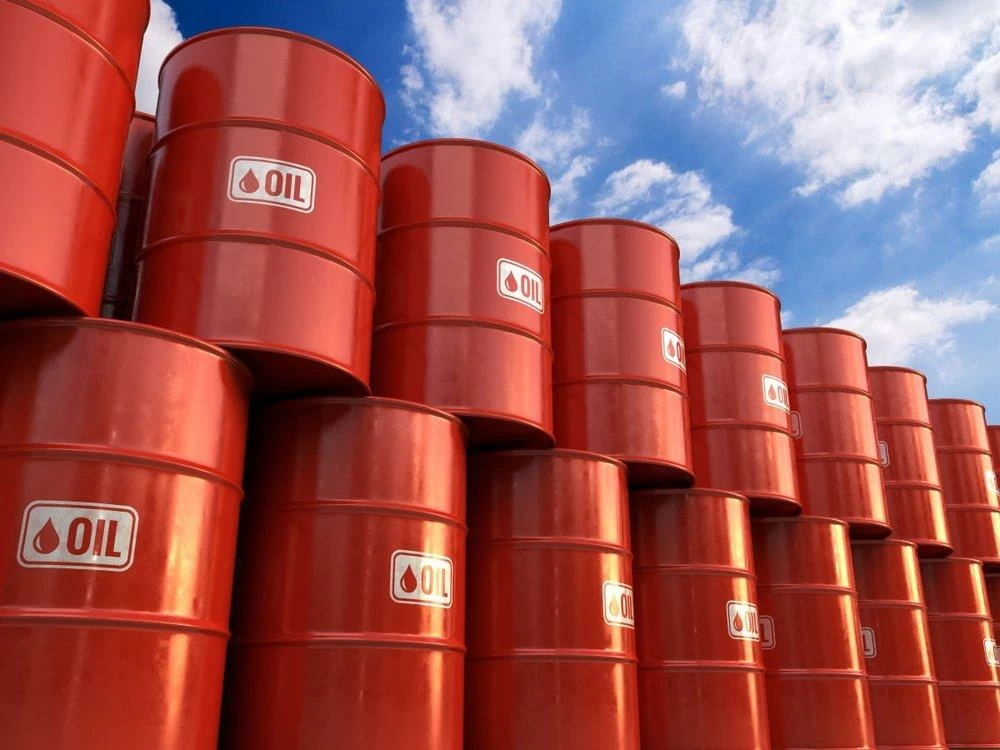
Oil prices have experienced a notable increase as trading commenced in global markets, with North Sea Brent crude exceeding $115 per barrel, while West Texas Intermediate, the American benchmark, surged to over $100 per barrel. This rise occurs at a time when the region is witnessing escalating tensions due to the ongoing conflict in the Middle East.
Specifically, the price of West Texas Intermediate for May delivery rose by 3.50% to reach $103.13 just minutes after the Asian markets opened. Brent crude also recorded an increase of 2.98%, reaching $115.93 per barrel, reflecting growing concerns regarding supply stability under the current circumstances.
Details of the Event
This price increase comes as Iran effectively closes the Strait of Hormuz, a vital passage through which approximately 20% of global oil production flows, due to military pressures resulting from Israeli and American airstrikes that began on February 28. These pressures have exacerbated the situation in the region and heightened fears about energy supplies.
The Strait of Hormuz is a key transit point for oil and liquefied natural gas, making any threat to its supplies directly impact global markets. As the conflict continues, analysts expect prices to remain under increasing pressure.
Background & Context
Historically, oil prices have experienced significant fluctuations due to political and military crises in the Middle East. Since the onset of the conflict in Syria, through the events in Iraq and Libya, oil prices have always been susceptible to current events. With rising tensions in the region, it has become clear that oil markets will remain volatile.
In recent years, oil-producing countries, including OPEC, have attempted to regulate production to maintain price stability. However, ongoing events in the Middle East hinder these efforts, leading to frequent price increases.
Impact & Consequences
The rise in oil prices directly affects the global economy, as it reflects on transportation and production costs, leading to increased prices across various sectors. Additionally, oil-importing countries will face mounting economic pressures, which may result in slower economic growth.
Moreover, rising prices may bring discussions about alternative energy strategies back to the forefront, as countries seek to reduce their dependence on traditional oil. At the same time, oil-producing nations may benefit from these price increases, boosting their revenues.
Regional Significance
For Arab countries, the rise in oil prices may have varying impacts. In oil-producing nations like Saudi Arabia and Iraq, this could lead to increased government revenues, allowing them to finance development projects. However, in oil-importing countries like Egypt and Jordan, this may increase the economic burdens on citizens.
Ultimately, the situation in the Middle East remains complex, with political and economic factors intertwining significantly. As the conflict continues, oil prices are expected to remain under pressure, affecting all countries in the region.