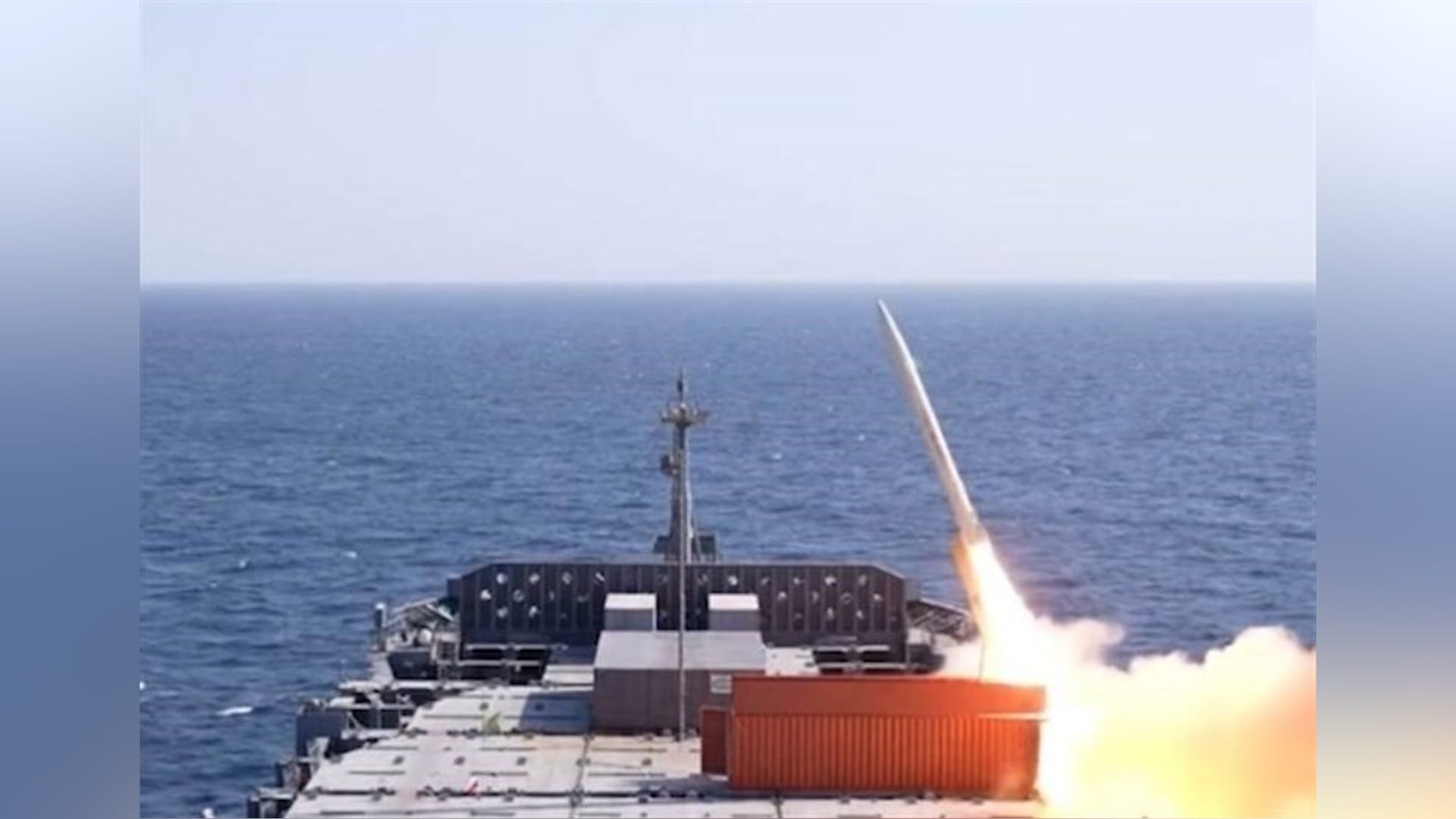
Oil prices have surged in global markets following Iran's attack on a US warship in the Gulf. The incident, which occurred at a sensitive time, has alarmed investors and escalated geopolitical tensions in the region.
Tensions between the United States and Iran have notably escalated recently, with both nations exchanging accusations regarding military activities in the Gulf. This incident comes at a critical juncture as the US seeks to bolster its military presence in the region amid fears of increasing Iranian activities.
Details of the Incident
Iran targeted a US warship in the Gulf, prompting swift reactions from the United States. The incident caused oil prices to rise by as much as 3%, with markets closing significantly higher. This increase reflects concerns over the potential impact of military tensions on global oil supplies.
Simultaneously, the US Department of Defense announced that it is closely monitoring the situation and will take all necessary measures to protect its interests in the region. The incident highlights the challenges the US faces in maintaining stability in the area amid rising Iranian activities.
Background & Context
Historically, relations between the United States and Iran have been fraught with ongoing tensions since the Islamic Revolution in 1979. These tensions have particularly intensified following the US withdrawal from the Iranian nuclear deal in 2018, which led to the imposition of severe economic sanctions on Tehran.
The Gulf region is considered one of the most strategically important areas in the world, through which a significant portion of global oil supplies passes. Any escalation in military tensions could substantially affect oil prices and lead to volatility in financial markets.
Impact & Consequences
The rise in oil prices as a result of this incident could impact the global economy, as many countries rely on importing oil at stable prices. Any increase in prices could lead to higher transportation and production costs, affecting consumer prices.
Moreover, escalating tensions may drive increased investment in alternative energy sources, as investors seek to reduce reliance on conventional oil. This shift could have long-term implications for global energy markets.
Regional Significance
Arab oil-producing countries are among the most affected by fluctuations in oil prices. Any rise in prices could benefit the economies of these nations, but it may also lead to increased political tensions in the region.
At the same time, the escalation of tensions between the United States and Iran could affect regional security, placing Arab nations in a sensitive position. These countries need to take strategic steps to maintain their stability amid these changing circumstances.
In conclusion, the recent incident serves as a reminder that geopolitical tensions can significantly impact global markets, particularly in the energy sector. Investors and analysts must closely monitor developments, as any further escalation could lead to drastic changes in prices and markets.