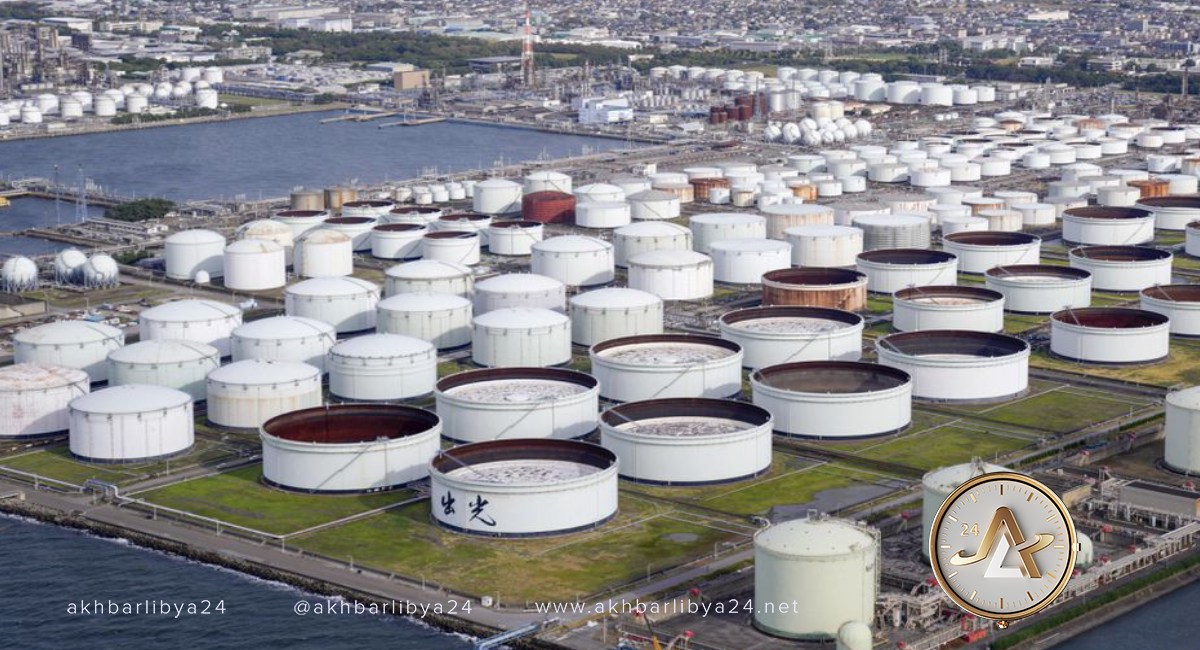
Oil prices have witnessed a notable surge following the warnings issued by U.S. President Donald Trump to Iran, demanding the country provide clear responses within 48 hours. This move has sparked anxiety in global markets, leading to an instant rise in crude oil prices. Amid these tensions, analysts from Goldman Sachs announced a 10% increase in their oil price forecasts for 2026, reflecting optimism regarding continued energy demand amidst a volatile geopolitical landscape.
This price adjustment occurs in an atmosphere of uncertainty within the markets, triggered by escalating tensions between the United States and Iran. The oil market is continuously experiencing volatility due to political events in the Middle East, where any military escalation could significantly impact oil production and supply.
Details of the Warning
President Trump has issued a warning to Iran, indicating a more hardline approach in U.S. policy towards Tehran. While Iran is under substantial pressure from economic sanctions, these developments could exacerbate security conditions in the region.
The rebound in oil prices coincides with investors reassessing global demand prospects alongside supply challenges in oil production. Goldman Sachs' decision to raise its forecasts reflects confidence in the market's ability to recover despite current fluctuations.
Background & Context
Since the United States withdrew from the Iranian nuclear deal in 2018, relations between Washington and Tehran have experienced increasing tension. These strained relations have had a significant impact on global oil markets, as Iran is considered one of the main oil-producing countries, and any disruption in its exports could lead to a spike in prices.
In recent years, we have witnessed swings in oil prices influenced by various geopolitical factors, changes in global demand, and shifts in production policies from OPEC member states, making the oil market sensitive to any news that might affect regional stability.
Impact & Consequences
Goldman Sachs' decision to increase its oil price forecasts serves as a signal of confidence in market stability, despite surrounding volatility. This may indicate that prices could continue to rise, affecting those countries that heavily rely on oil revenues.
This increase in prices will also have direct impacts on global economies, as rising energy prices often lead to higher living costs, affecting consumers' purchasing power worldwide.
Regional Significance
The Middle East, particularly Gulf countries, will be directly impacted by these developments. The rise in oil prices may provide some Arab countries with the opportunity to bolster their economies through increased oil revenues.
However, the increase in oil prices comes with challenges, as any escalation in political situations could affect overall economic stability, meaning that Arab countries must remain cautious and strategically plan to mitigate negative impacts arising from these changes.
As geopolitical tensions continue to influence oil markets, adapting to these dynamics remains a top priority.