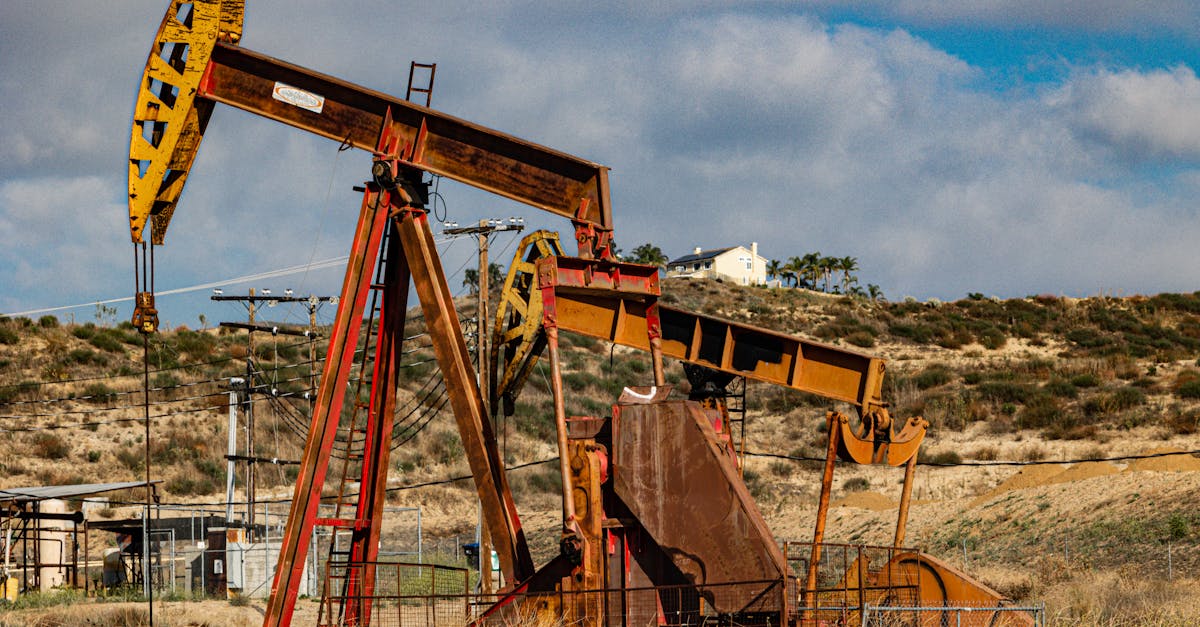
Oil prices have seen a significant rise after U.S. President Donald Trump vowed to impose severe pressures on Iran in the coming weeks. His remarks during a rare prime-time speech have heightened uncertainty regarding a swift resolution to the ongoing conflict. These statements have raised concerns in global markets and led to an increased demand for crude oil.
In his speech, Trump did not provide clear details on how these pressures would be implemented, which has led to growing fears of escalating conflict in the region. Markets have been significantly affected, with oil prices rising sharply, reflecting the increasing concern over supply stability amid rising tensions.
Details of the Event
Reports indicate that crude oil prices rose by as much as 5% following Trump's statements, reflecting market reactions to the American threats against Iran. This increase comes at a sensitive time, as markets had hoped negotiations would ease tensions. However, with Trump's commitment to ramping up pressures, these hopes appear to have faded.
These developments occur at a time when the world is witnessing a surge in energy demand, especially as the global economy recovers from the COVID-19 pandemic. However, geopolitical tensions could negatively impact this recovery, increasing the importance of stable oil prices.
Background & Context
Historically, relations between the United States and Iran have been tense, particularly following the U.S. withdrawal from the Iranian nuclear deal in 2018. Since then, Washington has imposed strict sanctions on Tehran, exacerbating the country's economic situation. These sanctions have significantly impacted Iranian oil exports, increasing tensions in the region.
In recent years, the region has seen an escalation in armed conflicts, particularly in Iraq and Syria, where U.S. forces are present. These conditions reflect the significant challenges the U.S. administration faces in dealing with Iran, which it views as a threat to regional security.
Impact & Consequences
Trump's recent statements could lead to further escalation in the conflict, which may have a greater impact on global oil prices. If tensions persist, we could witness additional price increases, affecting consumers worldwide. This situation may also increase pressure on oil-importing countries, especially amid rising energy prices.
Moreover, the continuation of the conflict could impact investments in the energy sector, as companies may hesitate to invest in new projects amid uncertainty. This could lead to a long-term supply shortage, further increasing tensions in the markets.
Regional Significance
Arab oil-producing countries, such as Saudi Arabia and the UAE, find themselves in a sensitive position amid these tensions. Any rise in oil prices could have positive effects on the economies of these countries, but at the same time, escalating conflict could increase security risks in the region.
Additionally, Arab countries that rely on oil imports may face significant challenges amid rising prices, which could impact their local economies. Therefore, the current situation requires careful monitoring by Arab nations to avoid any negative repercussions.
In conclusion, President Trump's recent statements indicate that tensions between the United States and Iran may continue, which could significantly affect global oil markets. Under these circumstances, the question remains open regarding how these events will impact the global economy and the Arab region in particular.