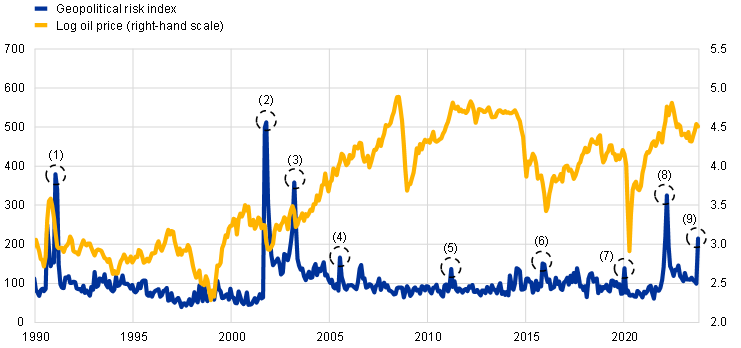
Oil prices have recorded a notable increase, reaching the highest premium following U.S. commitments to continue military operations in conflict zones. This rise comes at a sensitive time for global markets, which are experiencing fluctuations due to tense geopolitical conditions.
Under these circumstances, crude oil prices have surged by up to 3%, with the price of a barrel of Brent crude exceeding $90. This increase is occurring as fears grow regarding the impact of ongoing conflicts on global oil supplies, thereby increasing pressure on the markets.
Details of the Event
The United States has announced that it will continue military operations in conflict areas, raising concerns among investors in the oil markets. These commitments come at a time when the region is experiencing escalating tensions, contributing to the rising oil premium. Market experts have indicated that these developments could lead to further price increases if conditions continue in this manner.
Reports have also indicated that demand for oil remains strong, particularly in Asian markets, which bolsters the potential for price increases. As winter approaches, energy demand is expected to rise, potentially leading to additional pressure on prices.
Background & Context
Historically, oil prices have experienced significant fluctuations due to geopolitical events, with crises in the Middle East consistently affecting oil supplies and prices. In recent years, several key events, such as conflicts in Libya and Syria, have directly impacted the markets.
Additionally, tensions between the United States and Iran have had substantial effects on oil prices, as sanctions imposed on Iran have reduced oil supplies in global markets, contributing to price increases. These events underscore the importance of stability in the region to ensure stable oil prices.
Impact & Consequences
These increases in oil prices are expected to impact the global economy as a whole, leading to higher transportation and energy costs. This situation may negatively affect inflation rates in many countries, potentially putting pressure on governments to take measures to mitigate these effects.
Moreover, oil-importing countries will face greater challenges in managing their budgets, especially those that heavily rely on oil imports. Conversely, oil-producing countries may benefit from these price increases, which could enhance their revenues and positively affect their budgets.
Regional Significance
Arab oil-producing countries are among the most affected by these developments, as rising prices could enhance their revenues. This situation may help support their economies, especially given the economic challenges many of these countries face.
However, these countries must be cautious about over-reliance on oil revenues, as price fluctuations could lead to economic instability. It is crucial for these nations to invest in diversifying their economies to ensure sustainability in the future.
In conclusion, the situation in oil markets remains volatile and heavily dependent on geopolitical developments. It is important to closely monitor these events to understand their impact on prices and global markets.