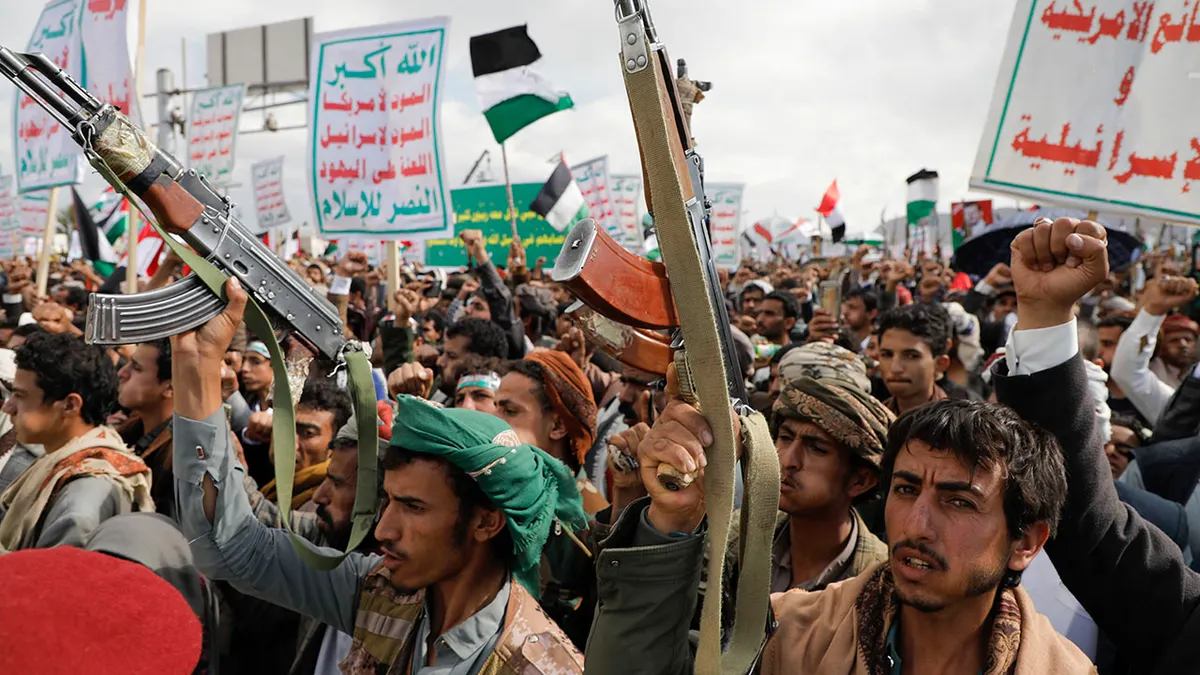
Oil prices have experienced a notable increase in global markets following the announcement by the Yemeni Houthi group of its involvement in the Iranian conflict, heightening concerns regarding the stability of the region. This development comes at a time when oil markets are suffering from sharp fluctuations due to escalating geopolitical tensions.
In light of these circumstances, Brent crude prices rose by as much as 2%, reaching levels not seen in several months. This increase occurs during a critical period, as the market faces pressures from various fronts, including sanctions imposed on Iran and tensions in relations among major powers.
Details of the Event
The Houthi group, backed by Iran, announced its entry into the Iranian conflict, raising alarm among investors in the oil markets. The Houthis, who control large parts of Yemen, may contribute to escalating the conflict in the region, potentially affecting shipping traffic through the Bab el-Mandeb Strait, a vital corridor for oil transportation.
These developments come at a time when the world is witnessing an increase in demand for oil, underscoring the importance of price stability. Analysts have indicated that any escalation in the conflict could lead to a further rise in prices, impacting the global economy.
Background & Context
Historically, the Middle East has been a center for conflicts and disputes, with oil resources playing a crucial role in shaping the trajectories of these conflicts. The Houthis, who control the Yemeni capital San'a, have received military and financial support from Iran, complicating the situation in the region.
In recent years, oil prices have experienced significant volatility due to ongoing conflicts in the Middle East, where political events affect supply and demand. Additionally, the sanctions imposed on Iran have contributed to increased tensions, negatively impacting market stability.
Impact & Consequences
The rise in oil prices is considered a direct result of escalating tensions in the region, which could affect the global economy as a whole. If the situation remains unchanged, we may witness a further increase in fuel prices, impacting the cost of living in many countries.
Moreover, these conditions may lead to increased pressures on governments, particularly in countries that heavily rely on oil imports. Global companies may also face new challenges in managing production and transportation costs.
Regional Significance
Arab countries are directly affected by these developments, as many of them rely on oil exports as a primary source of revenue. Any increase in oil prices could mean higher revenues for some countries, but it may also lead to increased burdens on importing nations.
Furthermore, the escalation of tensions in the region could result in increased migration and displacement, posing an additional challenge for neighboring countries. It is crucial for Arab nations to closely monitor these developments and take proactive steps to address any potential repercussions.
In conclusion, the Houthis' involvement in the Iranian conflict could have far-reaching effects on oil prices and regional stability. It is essential for Arab countries to remain vigilant regarding these developments and work towards enhancing their economic and political stability.