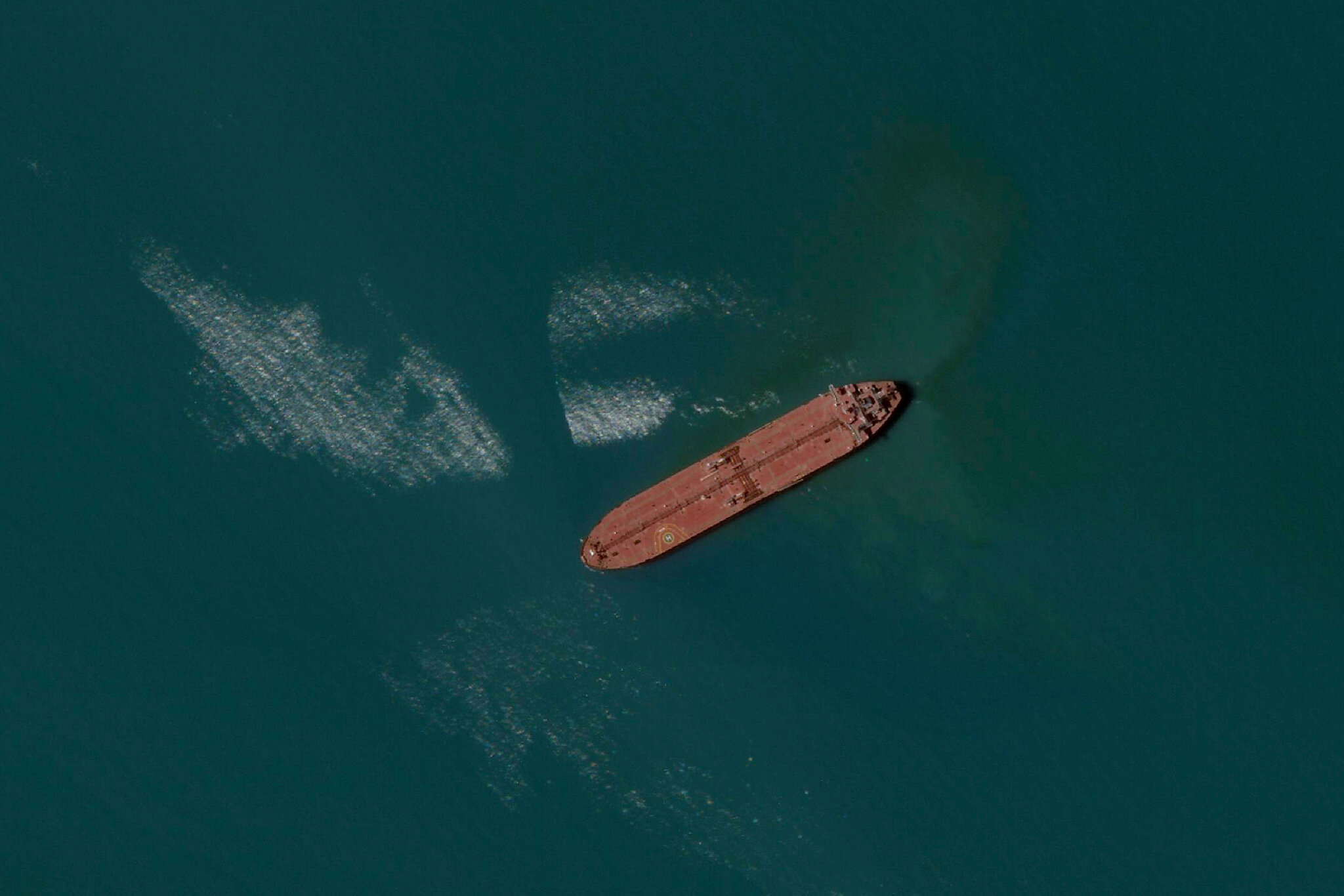
Oil prices continue to rise, nearing global record levels, driven by escalating tensions in the Middle East, particularly in Iran. This increase comes at a sensitive time marked by significant fluctuations in the global market.
In recent days, crude oil prices have recorded notable increases, surpassing the $90 per barrel mark, raising widespread concern in global markets. This rise comes amid escalating military and political tensions in Iran, where fears have grown regarding the potential impact of a conflict on global oil supplies.
Details of the Event
Reports indicate that oil prices saw an increase of up to 5% over the past week, reflecting concerns about the possibility of military escalation in the region. Data has shown that the price of a barrel of Brent crude oil reached $92, the highest level in several years.
This increase coincides with reports of military movements in the Arabian Gulf, where maritime activities and military statements among the concerned countries have intensified. Additionally, the sanctions imposed on Iran complicate the situation further, heightening fears regarding supply stability.
Background & Context
Historically, the Middle East has always been a center for the global oil industry, with countries like Iran, Iraq, and Saudi Arabia significantly contributing to oil supplies. However, political tensions and military conflicts have negatively impacted market stability. In recent years, oil prices have experienced sharp fluctuations due to political crises, such as the conflict in Syria, protests in Iraq, and threats from the Islamic State.
Iran, considered one of the largest oil producers in the world, faces significant challenges due to economic sanctions imposed by the United States. These sanctions have led to a reduction in its oil production, directly impacting global prices. As tensions escalate, concerns grow that any military escalation could disrupt oil supplies.
Impact & Consequences
The rise in oil prices has direct effects on the global economy, potentially leading to increased transportation and production costs, which negatively reflects on the prices of goods and services. Additionally, oil-importing countries may face economic pressures due to this increase, potentially leading to a slowdown in economic growth in some regions.
Moreover, rising oil prices may impact the monetary policies of countries, as central banks might have to adjust interest rates to combat inflation resulting from increased energy costs. This could lead to economic growth slowing down in many countries.
Regional Significance
For Arab countries, the rise in oil prices represents a significant opportunity for some oil-producing nations like Saudi Arabia and the UAE, as this increase could enhance their oil revenues. Conversely, oil-importing countries such as Egypt and Jordan may face substantial challenges due to rising energy costs.
Furthermore, the tense political situations in the region could exacerbate economic crises, necessitating urgent measures from governments to address these challenges. In this context, there may be a need for new strategies to enhance economic stability and mitigate the effects of rising oil prices on citizens.
In conclusion, the situation in the Middle East remains complex, with political and economic factors intertwining in ways that affect global markets. As tensions continue, oil prices may remain susceptible to fluctuations, requiring concerned countries to take proactive steps to ensure the stability of their oil supplies.