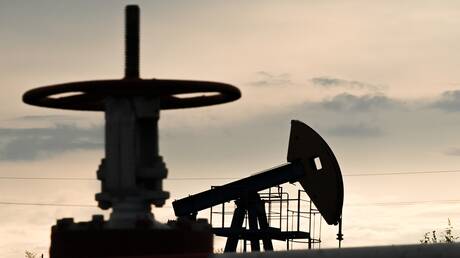
Oil prices saw a significant increase on Thursday afternoon, with Brent crude rising by nearly 6% following U.S. President Donald Trump's remarks regarding negotiations with Iran. This increase reflects a swift market reaction to political developments, underscoring the close relationship between politics and energy prices.
Trump's statements came at a sensitive time as the United States seeks to revive nuclear negotiations with Iran, which could significantly impact global oil supplies. This dynamic emphasizes the importance of political events in shaping oil prices, which are a vital indicator of the global economy.
Details of the Event
Oil prices sharply increased earlier today, with Brent crude reaching $67.50 per barrel, after stabilizing at lower levels in previous days. This rise follows Trump's announcement of his willingness to sit down with Iranian officials, raising hopes for a potential agreement that could lead to a easing of sanctions imposed on Iran.
The markets react swiftly to any news related to Iran, especially since the Islamic Republic is one of the largest oil producers in the world. If an agreement is reached, it could lead to an increase in oil supplies, which may affect prices in the future.
Background & Context
Historically, oil prices have experienced significant fluctuations due to political tensions in the Middle East. Since the United States withdrew from the nuclear deal with Iran in 2018, Washington has imposed strict sanctions on Tehran, leading to a reduction in its oil exports. These sanctions have had substantial repercussions on the global market, with prices rising significantly during certain periods.
In recent years, there have been multiple attempts to revive negotiations, but these efforts have often faced obstacles. Trump's recent statements may rekindle hopes for progress, which could positively reflect on oil prices.
Impact & Consequences
The rise in oil prices has multiple effects on the global economy. On one hand, it can lead to increased revenues for producing countries, enhancing their investments in new projects. On the other hand, it may burden importing countries, especially those heavily reliant on oil to meet their needs.
Additionally, rising prices could affect inflation rates in many countries, potentially prompting interventions from central banks. In this context, some nations may adopt tighter monetary policies to address inflationary pressures resulting from increased energy costs.
Regional Significance
The Gulf Arab states are among the most affected by fluctuations in oil prices, as oil revenues constitute a significant portion of their budgets. If prices continue to rise, these countries may benefit from increased revenues, enabling them to bolster development and infrastructure projects.
However, these nations must be cautious of over-reliance on oil, as price volatility could lead to economic instability. Therefore, it is essential for these countries to diversify their economies and develop other sectors.
In conclusion, the rise in oil prices results from complex interactions between politics and economics, and the concerned countries must be prepared to navigate these changing dynamics.