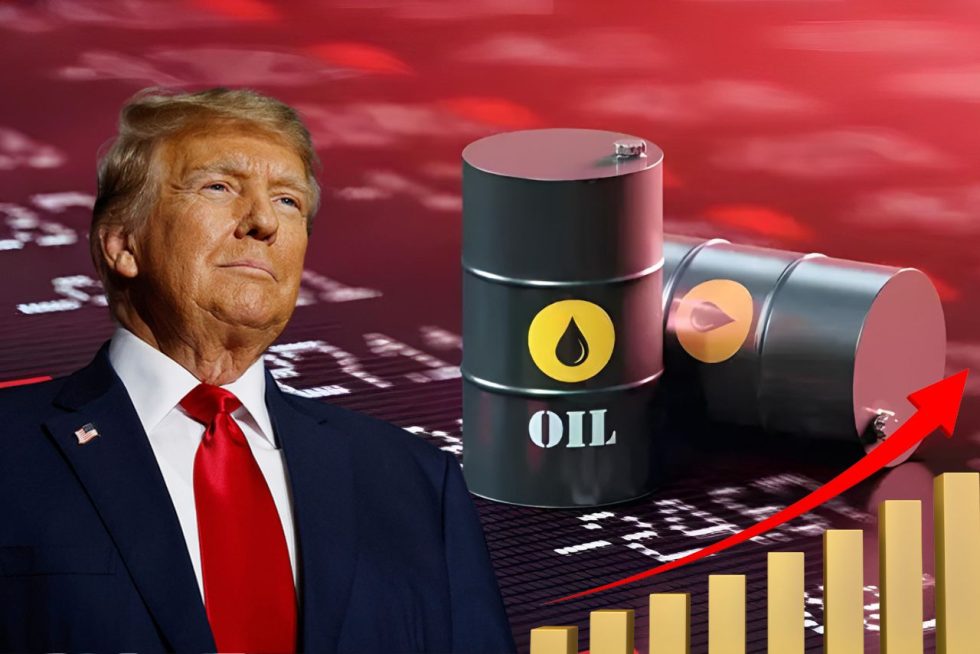
Oil prices have seen a significant increase of over 1% as U.S. President Donald Trump intensifies his hostile rhetoric towards Iran. This rise comes at a sensitive time marked by considerable market volatility, raising concerns about the stability of supplies.
The prices were directly affected by Trump's statements threatening new sanctions against Tehran, which sparked investor fears regarding the impact on the global oil market. Brent crude recorded a rise of 1.2% to reach $85.50 per barrel, while West Texas Intermediate rose by 1.1% to $80.25 per barrel.
Details of the Event
These developments follow a series of escalating tensions between the United States and Iran, with fears of a military conflict in the region increasing. These tensions have impacted oil markets, which heavily rely on stability in the Middle East.
Trump's statements come at a critical time for the U.S. economy as he seeks to bolster his position ahead of upcoming elections. Oil is considered one of the main factors influencing the economy, making any price fluctuations have widespread implications.
Background & Context
Historically, relations between the United States and Iran have been tense, especially following Washington's withdrawal from the nuclear agreement in 2018. Since then, the U.S. has imposed strict sanctions on Iran, affecting its oil exports and leading to fluctuations in the global market.
Iran is one of the largest oil producers in the world, and any threats to its stability can lead to significant price increases. In recent years, oil prices have experienced considerable volatility due to geopolitical tensions, making the market susceptible to rapid changes.
Impact & Consequences
The rise in oil prices directly affects the global economy, as it can lead to increased transportation and energy costs. This, in turn, impacts the prices of goods and services, increasing inflationary pressures in many countries.
Moreover, rising prices may affect oil-importing countries, increasing their budget deficits and impacting economic growth. Conversely, oil-producing nations may benefit from rising prices, enhancing their revenues and boosting investments.
Regional Significance
Arab oil-producing countries, such as Saudi Arabia and the UAE, are among the beneficiaries of rising prices. This could lead to increased oil revenues, enhancing their ability to implement development projects.
However, oil-importing countries, such as Egypt and Jordan, may face economic challenges due to rising prices, increasing pressure on their budgets and affecting living standards.
In conclusion, the situation in the oil market remains volatile, dependent on developments in international relations and geopolitical tensions. Investors must closely monitor events, as any changes could significantly impact prices.