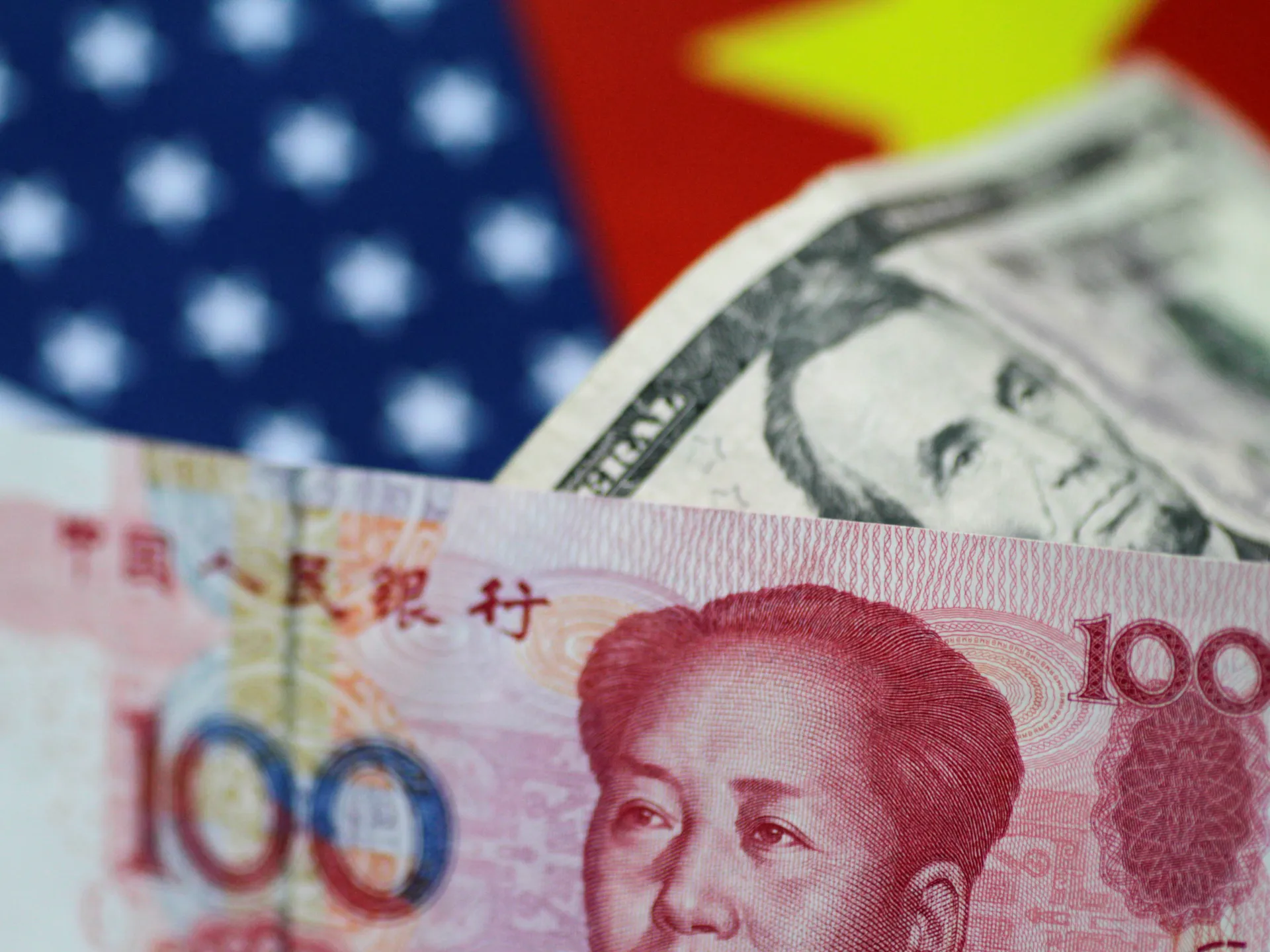
The repercussions of the war on the global economy are intensifying, with energy markets at the eye of the storm as attacks on supply lines escalate and prices soar to unprecedented levels. This comes at a time when oil transactions are undergoing notable financial transformations, reigniting questions about the future dominance of the dollar in oil trade amid the growing use of the Chinese yuan.
In a review of the interactive map, colleague Abdul Qadir Arada revealed the increasing frequency of maritime targeting in the Gulf region, pointing to the announcement by the media office in Dubai regarding the targeting of a Kuwaiti oil tanker off the emirate's coast, where the resulting fire was brought under control.
Details of the Incident
Arada explained that this targeting is part of a series of attacks that have affected around 24 commercial vessels since the war began, including 11 oil tankers. Estimates indicate that there are over 3000 vessels stranded in the Gulf, including 250 oil tankers.
In a related context, data showed that challenges to navigation in the Strait of Hormuz persist, despite a gradual return to ship crossings due to unannounced understandings with Iran, in addition to arrangements related to Pakistan, where additional tankers have been registered under its flag to facilitate passage.
According to statistics from the British maritime magazine Lloyd's List, approximately 48 vessels crossed the strait last week, but notably, 97% of these ships were linked to Iran, while nearly 350 vessels are awaiting crossing permits from Iran, prompting many ships to adopt alternative routes near Lark Island close to the Iranian coast.
These developments have had a direct impact on maritime transport costs, with the rental of an oil tanker rising from nearly $90,000 per day to $230,000 per day. Additionally, marine fuel costs have increased, forcing ships to reduce their speeds.
Moreover, the cost of shipping a 40-foot container from China to Mumbai has risen by 56%, reflecting the extent of the pressures on global supply chains.
Background & Context
In the markets, oil prices continued their upward trend, surpassing a rise of 60% since the outbreak of the war, with expectations that Brent crude will record its largest monthly gain in history, as investors await the course of the war and the possibility of political intervention to end it.
Concurrently, shifts in oil pricing systems have emerged since the inception of the petrodollar in the 1970s, with Gulf countries strengthening their oil partnerships with China, which imports around 4 million barrels per day.
A report from Deutsche Bank indicated that geopolitical tensions are undermining the dominance of the petrodollar in favor of what is known as the petroyuan.
Impact & Consequences
In this context, oil and energy market analyst Bashar Al-Halabi explained that major events always prompt a reevaluation of economic and political systems, emphasizing that what is currently happening does not pose an immediate threat to the petrodollar in the short term.
Al-Halabi clarified the nature of this system, stating that "the petrodollar is an integrated system and not just a currency, as oil revenues are reinvested in American assets, in exchange for a security and military umbrella provided by the United States."
He added that American sanctions, especially following the Russian-Ukrainian war, have pushed some countries to seek alternatives, noting that Russia has turned to trading in yuan with China, where the volume of trade between them reached approximately $220 billion in 2025.
Regional Significance
In assessing the expansion of the use of the Chinese yuan, Al-Halabi pointed out that the yuan represents an additional option rather than a complete alternative to the petrodollar, noting that China is seeking to establish its own financial system, including an alternative payment system to SWIFT.
However, he stressed that "the legal and investment environment in the United States still prevails, which limits China's ability to fully compete with the American financial system."
Regarding the role of the United States, Al-Halabi noted that being the largest producer of oil and gas gives it significant maneuverability in the markets, adding that the return of countries like Venezuela to the American economic system represents a blow to attempts to expand the use of the yuan.
He also warned that any shift towards the petroyuan is not merely an economic decision but a "comprehensive geopolitical choice," linked to China's ability to provide military protection and secure supply routes, which remains limited compared to the United States.
Concerning China, Al-Halabi stated that it is "the largest energy importer, making it the most affected by rising prices," explaining that this drives it to play an increasingly political role, possibly seeking to mediate between conflicting parties to protect its economy.
Al-Halabi concluded by emphasizing that the decision to shift to the yuan "does not rest solely with China, but with producing and exporting countries that must determine their strategic options."