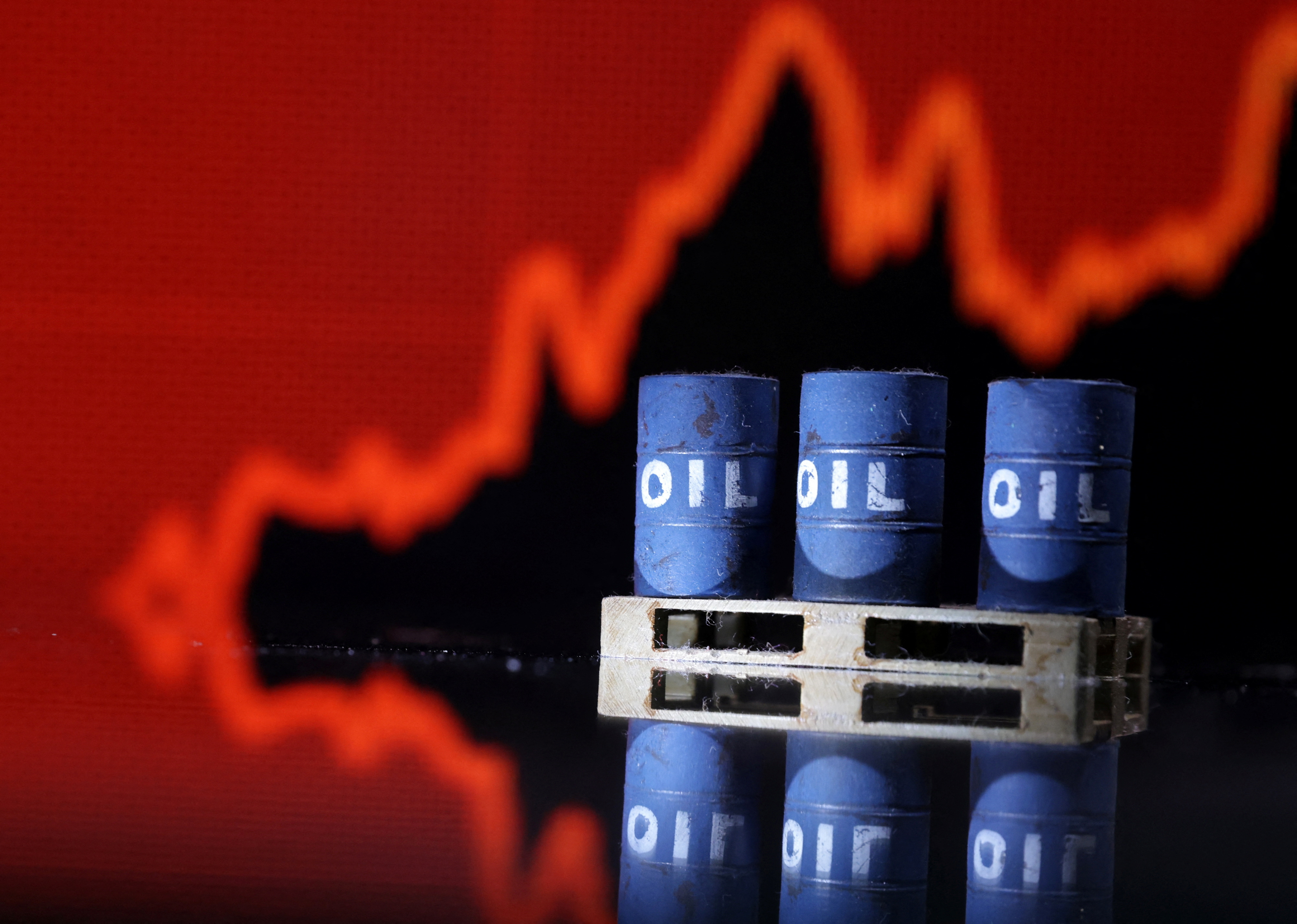
Brent crude oil prices have seen a significant rise, surpassing $113 per barrel, due to increased uncertainty following former President Donald Trump's decision to halt targeted strikes on Iranian energy infrastructure for ten days. This decision comes at a sensitive time as tensions in the region escalate, directly impacting global oil markets.
Amos Hochstein, managing partner at TWG Global and a former senior advisor in the Biden administration, joined the program "The Close" to analyze the recent fluctuations in oil prices. He confirmed that markets are reacting to potential risks rather than actual disruptions, reflecting a growing sense of anxiety among investors.
Details of the Event
This price increase comes at a time when the world is experiencing significant volatility in energy markets, with attention focused on political developments in the Middle East. Trump's decision to halt strikes is part of efforts to ease tensions, but many experts believe this may be a temporary measure.
Oil prices are significantly affected by geopolitical events, especially in the Arabian Gulf, which is one of the largest oil-producing regions in the world. As tensions rise between the United States and Iran, investors are concerned about the potential for escalation that could impact oil supplies.
Background & Context
Historically, oil prices have been heavily influenced by political events in the Middle East. For example, wars and conflicts in the region have led to sharp price fluctuations. In recent years, we have seen increased political pressure on Iran, resulting in economic sanctions that have affected its ability to export oil.
In 2015, a nuclear agreement was reached between Iran and major powers, leading to a relaxation of sanctions and an increase in Iranian oil exports. However, with the United States withdrawing from the agreement in 2018, pressures returned to the forefront, negatively impacting oil prices.
Impact & Consequences
The current increase in oil prices underscores the importance of monitoring political events and their impact on markets. Rising prices may lead to increased energy costs in importing countries, affecting the global economy. Additionally, higher prices could boost revenues for oil-producing countries, potentially leading to new investments in the energy sector.
On the other hand, a continuous rise in prices could lead to inflationary pressures in many countries, which may negatively impact economic growth. Therefore, markets are closely watching any new developments that could affect price stability.
Regional Significance
For Arab countries, rising oil prices can have varying impacts. Oil-producing nations like Saudi Arabia and the UAE may benefit from increased revenues, enhancing their ability to implement development projects. Conversely, oil-importing countries like Egypt and Jordan may face economic challenges due to rising energy costs.
Moreover, regional tensions could affect political stability, increasing uncertainty in the markets. Therefore, Arab countries need to be prepared to address these challenges through effective strategies.
The surge in oil prices to new levels reflects a state of uncertainty in the markets and emphasizes the importance of following political developments in the region. Under these circumstances, Arab countries must take proactive steps to ensure the stability of their economies.