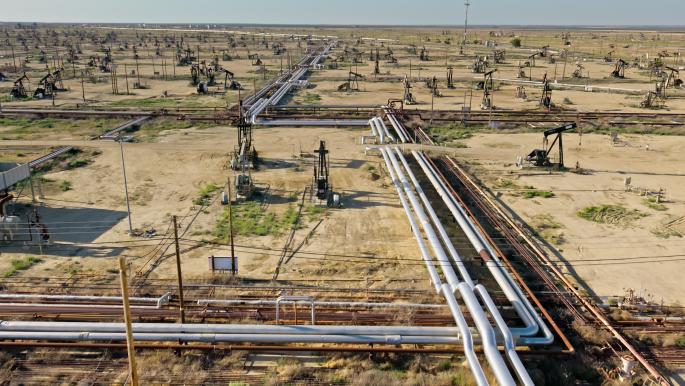
Oil prices have seen a significant increase today, closing at $113 per barrel, reflecting turmoil in global energy markets due to escalating conflicts. This rise comes at a sensitive time, raising concerns about market stability.
Reports indicate that the escalation of geopolitical tensions, particularly in conflict zones, has contributed to this substantial increase. The tensions between oil-producing countries and their impact on global supplies cast a shadow over the markets, leaving investors in a state of anticipation.
Event Details
In the current circumstances, oil prices continue to record historic gains, having risen by 5% in the past few days. This increase comes at a time when the world is experiencing a growing energy crisis, with demand for oil surging as the global economy recovers from the COVID-19 pandemic.
Additionally, reports suggest that some countries have begun to reduce their oil production, exacerbating the crisis. This situation reflects instability in energy markets, making it difficult for consuming nations to predict oil prices in the near future.
Background & Context
Historically, oil markets have experienced significant fluctuations due to geopolitical conflicts. For instance, in 2008, oil prices soared to record highs due to conflicts in the Middle East. Today, it seems history is repeating itself, as current conflicts directly impact supplies and prices.
The Middle East is considered one of the most sensitive regions in this context, as many countries rely on oil exports as a primary source of revenue. Any disruption in this market can significantly affect both local and global economies.
Impact & Consequences
The rise in oil prices has multiple implications. Locally, it can lead to increased living costs in consuming countries, affecting citizens' purchasing power. Moreover, companies that rely on oil as an energy source may face challenges in managing their costs.
Internationally, this increase could lead to tensions between producing and consuming nations. Consuming countries may seek to reduce their dependence on oil, while producing nations strive to maintain high prices to boost their revenues.
Regional Significance
For the Arab region, the rise in oil prices presents an opportunity for some producing countries to enhance their revenues. However, consuming nations in the region may face significant challenges amid these high prices. This situation could exacerbate economic crises in certain countries, necessitating new strategies to address these challenges.
Ultimately, the question remains about how these price increases will affect economic stability in the region and whether countries can adapt to these changing circumstances.