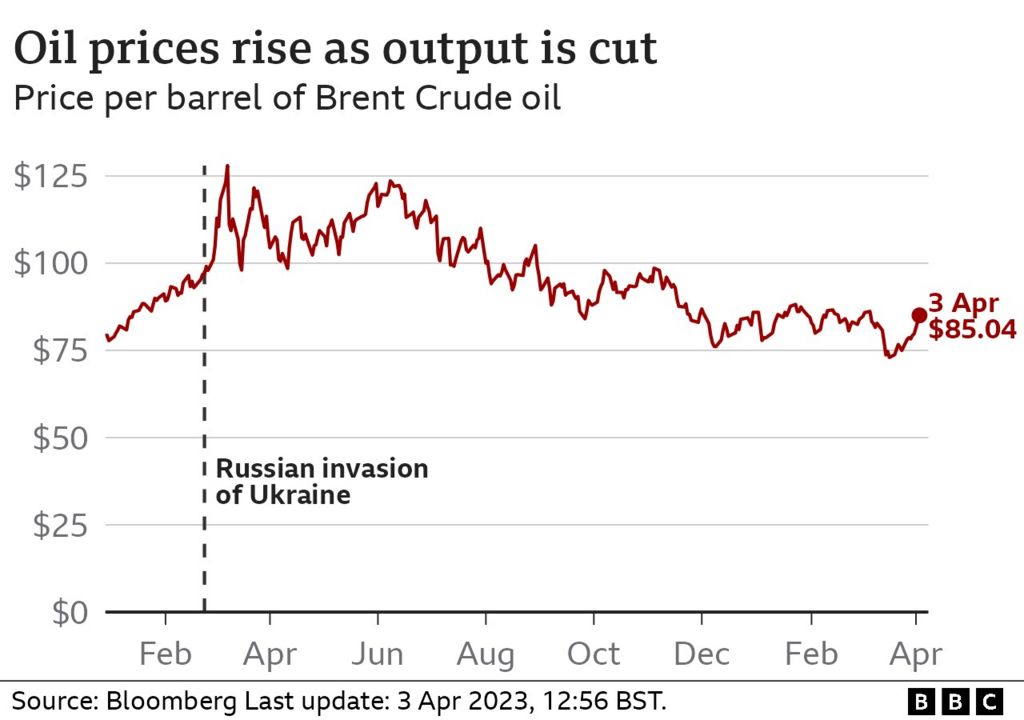
Brent crude oil prices have seen a significant increase of 3% during trading this morning in Asia, with prices exceeding $116 per barrel. This rise occurs amid escalating tensions in the Middle East, particularly with the intensification of the Iranian conflict, raising fears of negative impacts on global oil supplies.
Attention is currently focused on the political and military developments in the region, as ongoing crises affect the stability of oil markets. Many analysts have indicated that this price increase could be the beginning of a new wave of rises under the current conditions.
Details of the Event
As pressures mount on the oil market, this price increase reflects growing anxiety among investors regarding supply stability. Global markets have experienced significant price fluctuations in recent weeks, with prices rising sharply due to ongoing events in Iran.
Iran is one of the largest oil producers in the world, and any escalation in conflict could significantly impact oil supplies. Recent data has shown that global demand for oil remains strong, further increasing pressure on prices under the current circumstances.
Background & Context
Historically, oil prices have experienced significant fluctuations due to political crises in the Middle East. In 2011, protests in Arab countries led to a substantial rise in oil prices, surpassing $120 per barrel. Additionally, tensions between Iran and the West have always been a significant factor in determining market trends.
Iran is a key player in the oil market, possessing vast reserves of oil and gas. As tensions escalate, concerns grow that any escalation could lead to new sanctions on Iran, which could affect global oil supplies and drive prices higher.
Impact & Consequences
This rise in prices is expected to have widespread effects on the global economy, potentially leading to increased transportation and production costs across various sectors. Additionally, rising oil prices could impact inflation in many countries, increasing pressure on governments.
Moreover, the increase in prices may lead to heightened investments in alternative energy sources, as investors seek to reduce reliance on traditional oil. This shift is part of a global trend towards sustainable energy.
Regional Significance
For the Arab region, this rise in oil prices may have varying effects. In oil-producing countries like Saudi Arabia and the UAE, rising prices could lead to increased revenues and bolster their economies. Meanwhile, oil-importing countries may face mounting economic pressures due to rising energy costs.
Oil prices are a vital indicator for Arab economies, as many countries rely on oil revenues to fund their budgets. Therefore, any changes in prices could directly affect economic and social stability in the region.