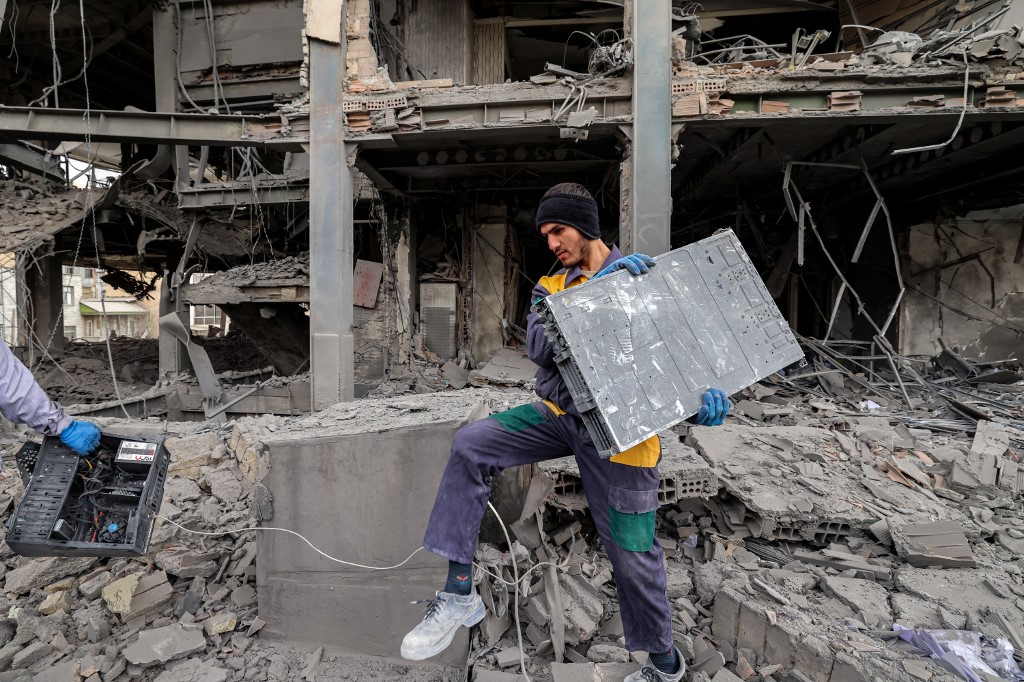
Oil prices have recorded a notable increase, exceeding $116 per barrel, marking the highest level in about 15 days. This rise comes amid escalating tensions in the Middle East, with attention turning to Iran as reports suggest it is preparing to face a potential US invasion.
On Monday morning, Brent crude prices rose by more than 3%, reflecting growing concerns in global markets about the stability of oil supplies. Reports indicate that the United States is preparing to deploy over 5,000 troops to Iran, with plans to seize Khark Island, a vital point for exporting Iranian oil.
Details of the Situation
These developments occur at a time when the Middle East is witnessing an escalation of conflicts, where US and Israeli interests intersect with internal situations in Iran. Iranian officials have confirmed that the country is preparing to confront any potential invasion, heightening tensions in the region.
Khark Island is considered one of the most important oil sites in Iran, used for exporting oil to global markets. Control over this island could lead to a reduction in Iranian oil supplies, negatively impacting global prices.
Background & Context
Historically, Iran has been at the center of numerous conflicts in the Middle East, experiencing ongoing tensions with the United States since the Islamic Revolution in 1979. Economic sanctions imposed on Iran have reduced its oil exports, making it increasingly reliant on global markets.
In recent years, tensions between Iran and the United States have escalated, particularly following the latter's withdrawal from the nuclear agreement in 2018. This withdrawal led to the renewal of US sanctions, impacting the Iranian economy and contributing to rising oil prices in global markets.
Impact & Consequences
The rise in oil prices due to these tensions may affect the global economy as a whole. With increasing prices, oil-importing countries may face higher living costs, which could impact economic growth.
Furthermore, any military escalation in the region could exacerbate the situation, negatively affecting financial markets and increasing instability in the area. Should a US invasion occur, the intensity of the conflict may escalate, potentially provoking reactions from other countries in the region.
Regional Significance
Neighboring Arab countries such as Iraq and Kuwait find themselves in a sensitive position. Any escalation in the conflict could impact the stability of these nations and heighten concerns about regional security.
Moreover, the rise in oil prices may have varying effects on oil-producing Arab countries, with some benefiting from increased revenues, while others may face economic challenges due to higher prices.
In conclusion, the situation in the Middle East remains complex, with political and economic interests intertwined. Close monitoring of developments is required, as any changes in the situation could significantly impact global markets.