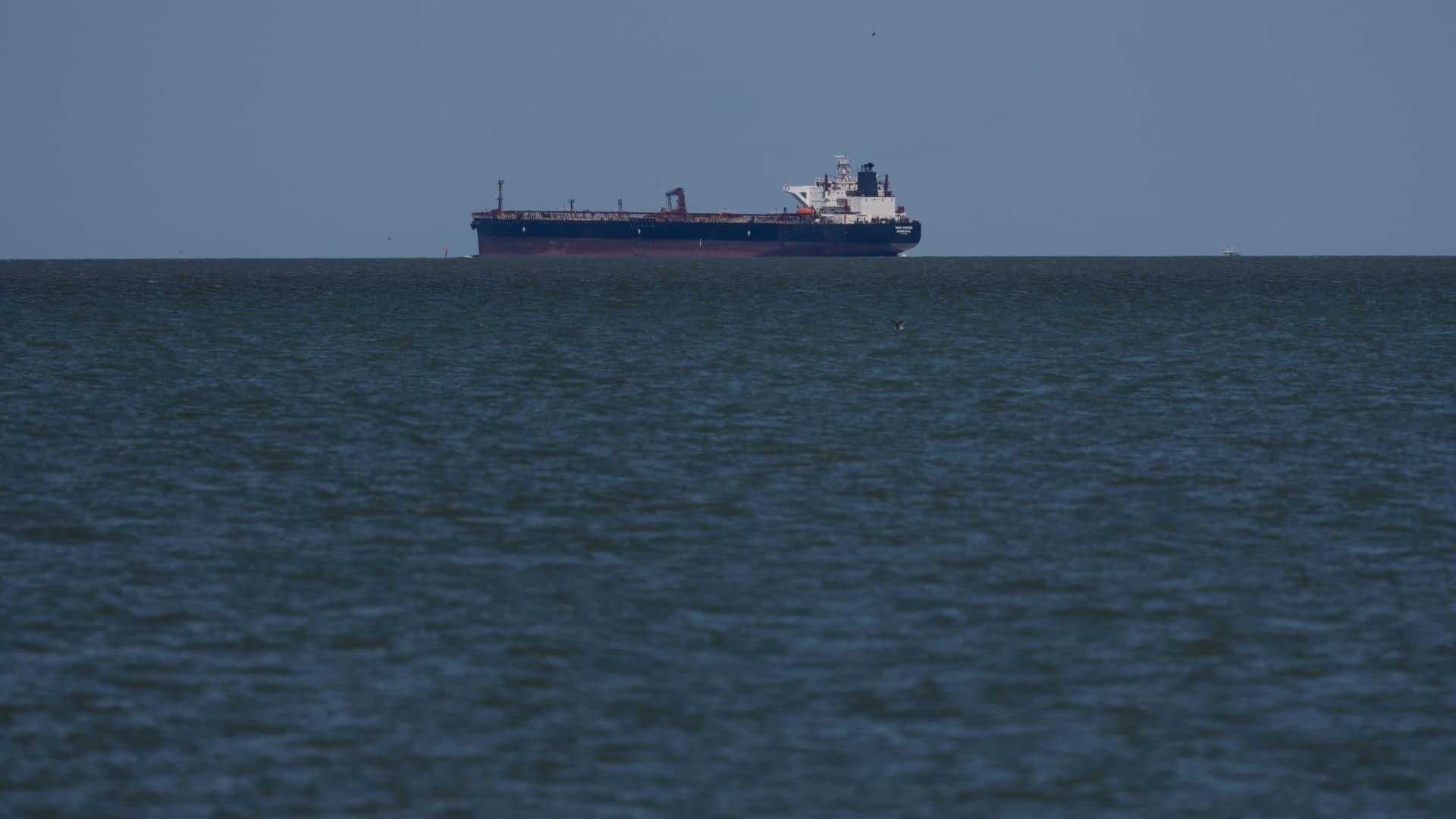
Brent crude oil prices have seen a significant rise on Thursday, reaching $141.36 per barrel, the highest level recorded since the global financial crisis in 2008, according to reports from S&P Global that track market data.
This price increase reflects the growing demand for immediate oil shipments to be delivered within 10 to 30 days, indicating actual supply tightness in the markets due to major disruptions caused by Iran's closure of the Strait of Hormuz.
Details of the Event
The price of spot oil has surpassed the price of Brent crude futures, with the June futures contract closing at $109.03, indicating that the spot price is $32.33 higher than the futures price. This significant price gap suggests substantial pressure on actual market supplies.
In an interview with CNBC, Amrita Sen, founder of Energy Aspects, confirmed that futures prices may give a false impression that the situation is not as severe as it appears. She stated, "The financial market conceals the real pressures that are evident elsewhere."
Background & Context
The Strait of Hormuz is considered one of the most important maritime corridors in the world, through which approximately 20% of total global oil exports pass. Any disruption in this corridor can significantly impact global oil markets. In recent years, the region has witnessed increasing tensions, particularly between Iran and Western countries, leading to concerns about supply disruptions.
Historically, oil prices have experienced significant fluctuations due to geopolitical crises, with the 2008 crisis being one of the most notable events that led to a sharp rise in prices. However, the current situation appears more complex due to multiple influencing factors, including global economic crises and changes in demand.
Impact & Consequences
The current rise in oil prices may lead to increased energy costs for consumers and businesses, which could negatively impact economic growth in many countries. Mike Wirth, CEO of Chevron, warned that futures prices do not reflect the extent of supply disruptions, noting that the market is trading on "limited information" and "perceptions."
This situation could lead to increased inflationary pressures in many economies, as rising energy prices often result in higher production costs, affecting the overall prices of goods and services.
Regional Significance
For oil-producing Arab countries, this rise may represent an opportunity to boost revenues, especially given the need to finance development projects. However, these countries must be cautious of future price fluctuations, as reliance on oil as a primary source of revenue can be risky.
Ultimately, the question remains about how these developments will affect economic stability in the region, particularly amid ongoing geopolitical tensions.