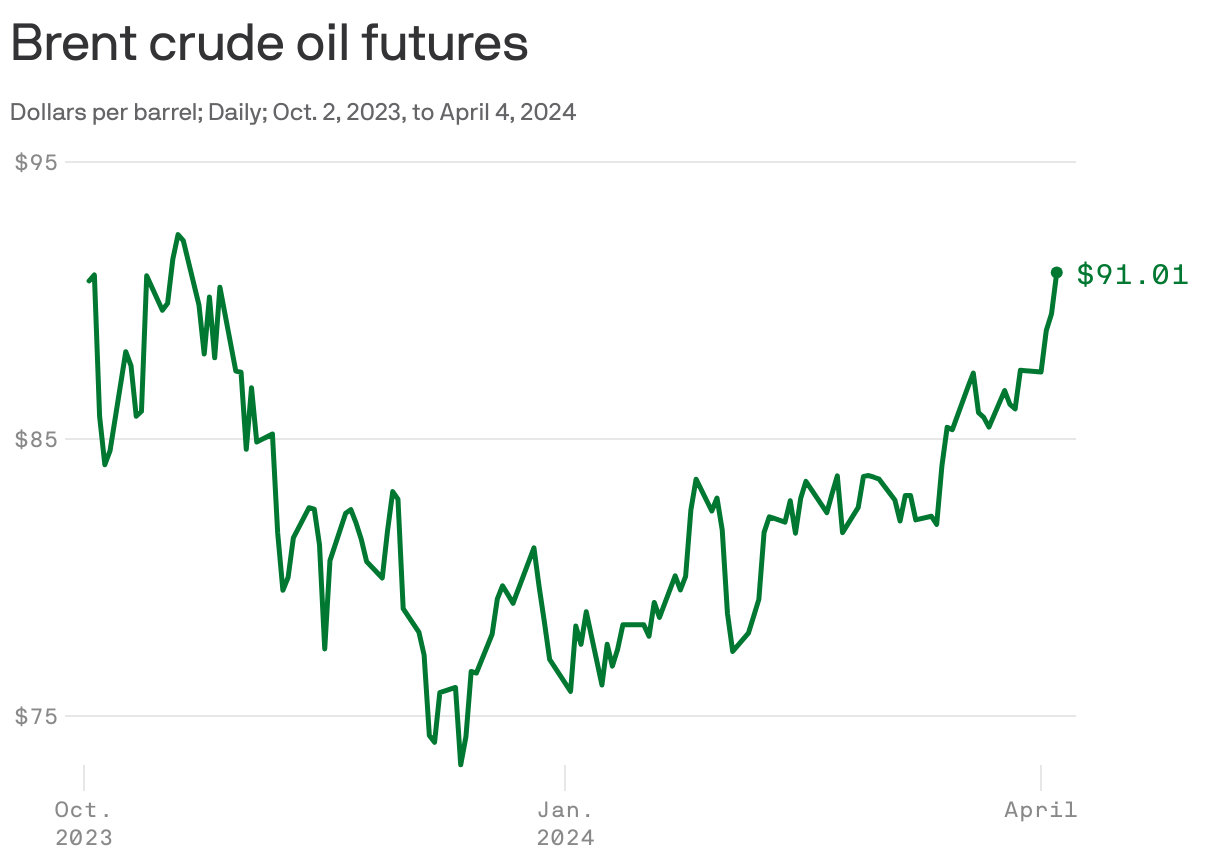
Oil prices have seen a significant increase, with Brent crude on track for its largest monthly gains in years. This rise reflects geopolitical tensions and increasing energy demand, raising questions about the future of the market and its impact on the global economy.
As the upward trend continues, Brent crude prices have reached record levels, directly impacting financial markets and economies reliant on oil. Prices have surged by more than 10% this month, marking one of the largest monthly gains in its history.
Details of the Event
This increase coincides with escalating tensions in the Middle East, where fears have grown regarding the impact of regional conflicts on oil supplies. Additionally, the economic recovery in many countries following the COVID-19 pandemic has contributed to rising energy demand, driving prices higher. Reports indicate that oil demand in China, the world's largest oil consumer, has seen a remarkable rebound, further supporting prices.
Moreover, OPEC and its allies have announced plans to cut production, which has helped reduce supply in the market and increase prices. These measures come at a sensitive time, as producers seek to maintain market balance amid price fluctuations.
Background & Context
Historically, oil prices have experienced significant volatility due to geopolitical and economic changes. Since the beginning of the year, several factors have influenced the market, including sanctions imposed on certain oil-producing countries, changes in environmental policies, and rising production costs.
In recent years, oil prices have become more sensitive to political changes, with events in the Middle East significantly affecting global prices. Additionally, the shift towards renewable energy and technological innovations in the energy sector may also impact the future of oil prices.
Impact & Consequences
The rise in oil prices directly affects the global economy, as it can lead to increased transportation and energy costs, which in turn impacts the prices of goods and services. Oil-exporting countries may benefit from this increase, enhancing their revenues and strengthening their public budgets.
However, oil-importing countries may face significant challenges, as rising prices can lead to increased inflation and reduced purchasing power for consumers. This situation may put pressure on governments to take measures to mitigate the effects of rising prices on citizens.
Regional Significance
In the Arab region, oil is one of the main sources of revenue, making rising prices a positive development for many producing countries. However, these nations must be cautious of over-reliance on oil, especially in light of the global shift towards renewable energy.
Political tensions in the region may also affect market stability, necessitating that producing countries take strategic steps to ensure sustainable economic growth.
In conclusion, the rise in oil prices remains a contentious issue, presenting both opportunities and challenges. Concerned countries must adopt flexible strategies to adapt to market changes and ensure sustainable economic growth.