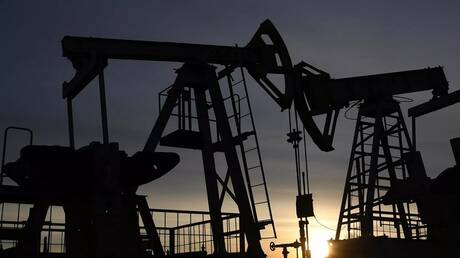
Oil prices have seen a significant rise, nearing $150 per barrel, surpassing futures prices. This increase comes amid global supply fears, according to data from LSEG.
Concerns about supply shortages in global markets are contributing to pushing prices to record levels. These fears have led to an increase in demand for physical oil, which has outperformed futures contracts.
Event Details
Reports indicate that actual oil prices have exceeded $140 per barrel in some markets, reflecting a state of market instability. Experts attribute this rise to several factors, including geopolitical disruptions in key production areas, as well as global trade tensions.
Additionally, the increasing demand for oil from major countries, especially as the global economy recovers from the COVID-19 pandemic, has added pressure on prices. These dynamics are expected to continue influencing the market in the near future.
Background & Context
Historically, oil prices have experienced significant fluctuations due to political and economic events. In recent years, several crises have led to price increases, such as conflicts in the Middle East and sanctions imposed on certain oil-producing countries.
Climate change and new environmental policies also play a role in shaping the future of the oil industry. With increasing pressure to transition to renewable energy sources, the oil industry may face new challenges affecting supply and prices.
Impact & Consequences
The rise in oil prices directly impacts the global economy, as it can lead to increased transportation and production costs. This, in turn, may reflect on the prices of goods and services, causing inflationary pressures in many countries.
Furthermore, oil-importing countries will face greater challenges in their budgets, potentially leading to increased fiscal deficits. Conversely, oil-producing countries may benefit from these high prices, boosting their revenues.
Regional Significance
Arab oil-producing countries are among the most affected by rising prices. While these prices can enhance the revenues of Gulf countries, oil-importing nations may face greater economic challenges.
Moreover, these dynamics may lead to changes in the economic policies of Arab countries, as governments may seek to increase investments in alternative energy sources to reduce reliance on oil.
In conclusion, the future of oil prices remains contingent on several factors, including geopolitical stability and global demand. It is crucial to closely monitor these developments to understand their impact on the global and regional economy.