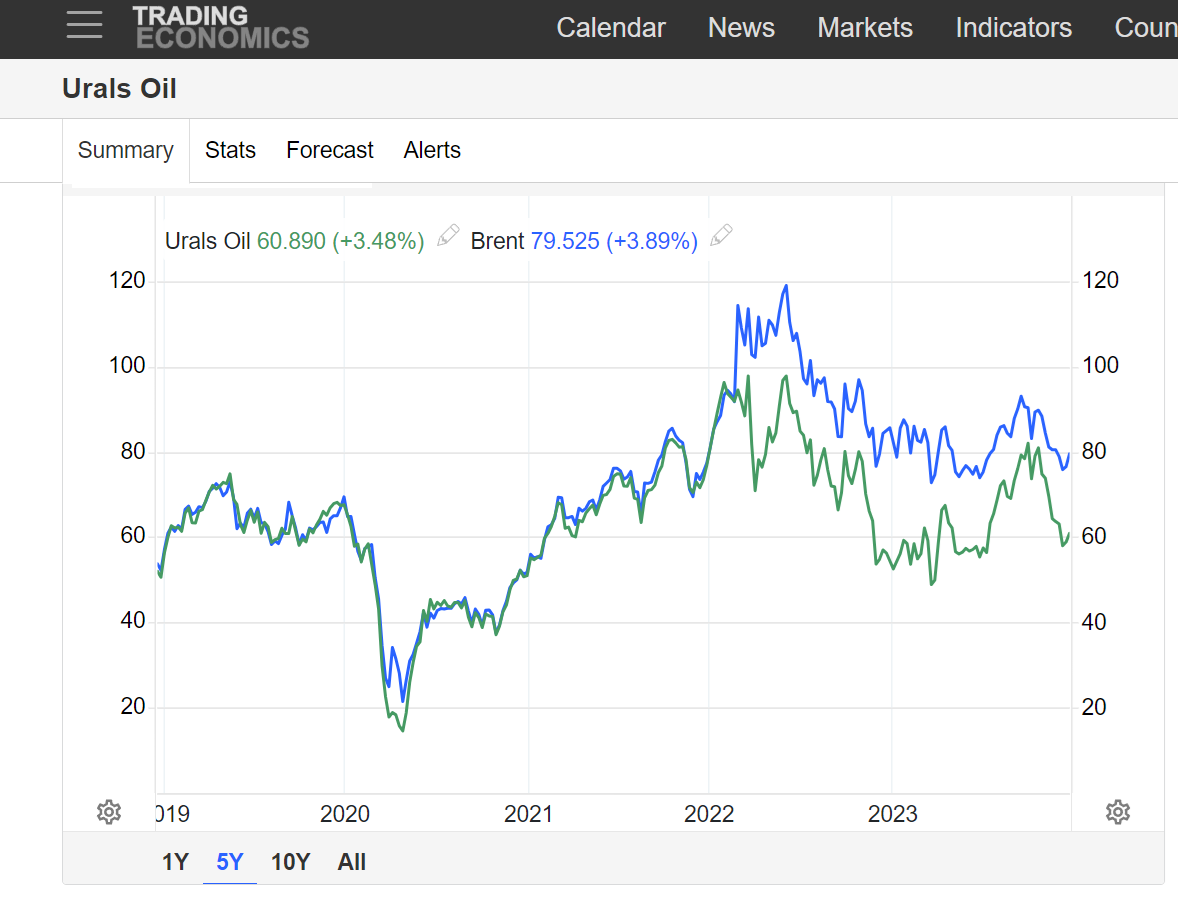
Global oil prices have seen a significant increase, with Russian Urals crude reaching $123.45 per barrel, while Brent crude is priced at $109.03. This surge comes amid major geopolitical and economic crises affecting the global market, raising concerns among many oil-consuming countries.
The new prices are indicative of the ongoing pressures faced by oil markets, influenced by multiple factors including political tensions in key production areas and fluctuations in global oil demand.
Details of the Event
Oil prices have surged dramatically in recent days, with Russian Urals crude hitting its highest level in several years. This increase occurs against the backdrop of ongoing conflicts in Ukraine, which have impacted oil and gas supplies, along with sanctions imposed on Russia by Western nations.
Brent crude prices, considered a major global benchmark, have also seen a noticeable rise, reflecting growing concerns over global supplies. Analysts have indicated that these prices may continue to rise if geopolitical conditions deteriorate further.
Background & Context
Historically, oil prices have experienced significant fluctuations due to political and economic events. For example, the oil crisis in 1973 led to a sharp increase in prices, affecting the global economy. In recent years, several crises have impacted the market, including the COVID-19 pandemic and the war in Ukraine.
Russia is one of the largest oil producers in the world, and any disruptions in its production directly affect global prices. Additionally, demand for oil is increasing in many developing countries, adding further pressure to the market.
Impact & Consequences
The current rise in oil prices could have significant economic repercussions for consuming countries. Higher prices mean increased transportation and energy costs, which could lead to rising prices for goods and services. Countries that heavily rely on oil imports may face increasing economic pressures.
On the other hand, oil-producing countries may benefit from these price increases, potentially boosting their revenues and improving their public budgets. However, these countries must be cautious, as sustained price increases could lead to a decline in global demand in the future.
Regional Significance
Arab oil-producing countries, such as Saudi Arabia and the UAE, are among the main beneficiaries of rising oil prices. These increases can enhance their oil revenues, contributing to their economic goals.
However, these countries must consider that rising prices may lead to decreased demand from consuming nations, which could impact their economic strategies in the future.
In conclusion, the future of oil prices remains uncertain, as it depends on numerous geopolitical and economic factors. It is crucial to monitor developments in this area, as they can significantly affect both the global and Arab economies.