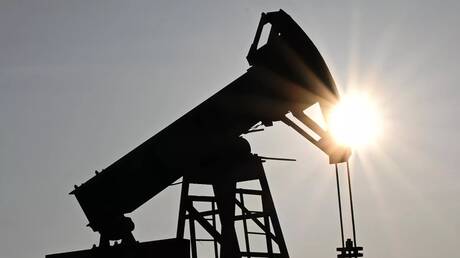
Oil prices have seen a significant increase, with Brent crude futures closing at $112.57 per barrel, up by $4.56, which is equivalent to 4.22%, during today's trading session. This increase comes amid escalating global concerns over the ongoing armed conflict in the region, raising market worries about the possibility of prices reaching record levels of $200 per barrel.
Concerns are growing that the continuation of conflicts in key oil-producing areas may lead to supply shortages, contributing to rising prices. Global markets have reacted swiftly to these developments, with analysts predicting that prices will remain under upward pressure if the situation continues as it is.
Details of the Event
This increase in oil prices is one of the largest surges seen in recent markets, reflecting growing anxiety over the impact of armed conflicts on oil supplies. Data has shown that Brent crude futures have risen significantly in recent days, indicating a state of uncertainty in the market.
At the same time, oil-producing countries continue to monitor the situation closely, seeking to take measures to mitigate the effects of any potential supply shortages. Some countries have confirmed that they will work to increase production if necessary, but this depends on developments in the region.
Background & Context
Historically, oil prices have experienced significant fluctuations due to geopolitical events and armed conflicts. For instance, wars in the Middle East have led to sharp price increases, directly affecting the global economy. Oil is considered one of the most strategic commodities that influence the economies of nations, as many countries rely on oil revenues to finance their budgets.
Concerns are rising that the continuation of conflicts in regions such as the Middle East and Africa may exacerbate the situation, negatively impacting the stability of global markets. Research has shown that any escalation in conflicts can lead to a significant rise in oil prices, affecting consumers and businesses alike.
Impact & Consequences
This increase in oil prices is expected to affect the global economy, as transportation and production costs will be directly impacted. Additionally, this rise may lead to increased prices for goods and services, putting additional pressure on consumers worldwide.
Moreover, this increase in prices may exacerbate economic conditions in countries that heavily rely on oil imports. High energy costs can slow economic growth and increase inflation rates, affecting living standards.
Regional Significance
The Arab region is among the most affected by fluctuations in oil prices, as many countries depend on oil revenues as a primary source of funding. With rising prices, some oil-producing countries may benefit from increased revenues, which could help them bolster their budgets and improve their economic conditions.
However, these countries must be cautious of over-reliance on oil revenues, as price fluctuations could lead to economic crises in the future. Additionally, rising prices may negatively impact oil-importing countries, increasing economic and social pressures.
In conclusion, oil prices remain under upward pressure amid ongoing armed conflicts and concerns over supply shortages. Markets and both producing and consuming countries must closely monitor the situation and take necessary actions to adapt to these changes.