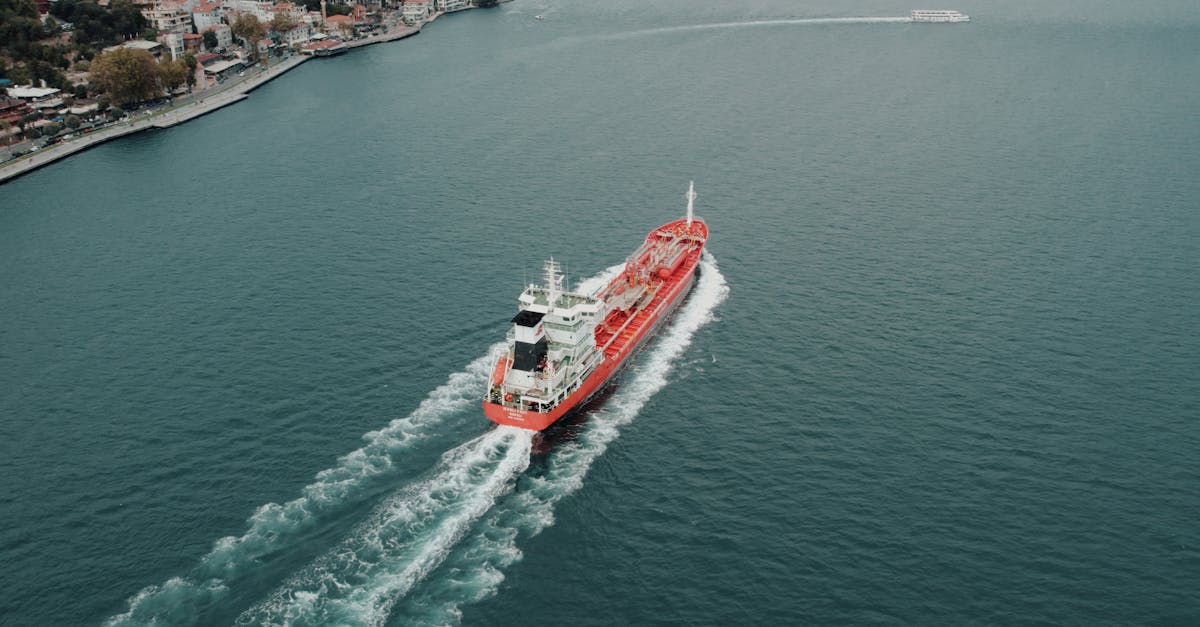
Oil prices experienced a notable increase on Wednesday, with major contracts approaching the highs recorded during the early days of the Iranian war. This surge occurs amid the ongoing crisis in the Hormuz Strait, where little progress has been made in easing the passage of oil tankers through this vital corridor.
The current oil prices reflect the escalating geopolitical tensions in the region, as the Hormuz Strait remains a crucial transit point for approximately 20% of global oil supplies. With rising tensions, investors are concerned that any escalation in conflict could lead to supply disruptions and further price hikes.
Details of the Price Surge
Reports indicate that oil futures have seen a remarkable increase, surpassing the $115 per barrel mark. This rise comes at a sensitive time, as global markets face mounting pressures due to geopolitical and economic crises. Data has shown that demand for oil remains strong, contributing to the upward pressure on prices.
Simultaneously, the international community has struggled to find effective solutions to the crisis in the Hormuz Strait, increasing uncertainty in the markets. Analysts have noted that the continuation of these conditions could lead to further price increases, impacting the global economy as a whole.
Background & Context
Historically, the Hormuz Strait is considered a strategic point in the global oil market. For decades, the region has experienced multiple tensions, particularly during periods of conflict between Iran and Western nations. In recent years, these tensions have intensified with increased military activities in the area, raising investor concerns about supply stability.
It is worth noting that oil prices have experienced significant fluctuations in recent years, influenced by various factors including political crises, economic conditions, and changes in global demand. As tensions in the Hormuz Strait persist, it appears that markets will remain under continuous pressure.
Impact & Consequences
The rise in oil prices has widespread implications for the global economy. When prices increase, transportation and production costs rise, leading to higher prices across various sectors. This situation can affect inflation and increase pressures on households and businesses.
Moreover, these conditions may lead to changes in the economic policies of oil-importing countries, as governments may need to take measures to mitigate the effects of rising prices on their citizens. Additionally, oil-producing countries may benefit from these increases, which could affect the global economic balance.
Regional Significance
The implications of rising oil prices are particularly significant for the Arab countries that produce oil. These nations may face both opportunities and challenges as they navigate the complexities of a fluctuating market. While increased revenues may benefit these countries, they must also manage the potential economic repercussions of higher prices on their domestic economies.
In conclusion, the current rise in oil prices, driven by geopolitical tensions and the ongoing crisis in the Hormuz Strait, underscores the importance of stability in this critical region. The effects of these developments will likely resonate across global markets, influencing economic conditions worldwide.