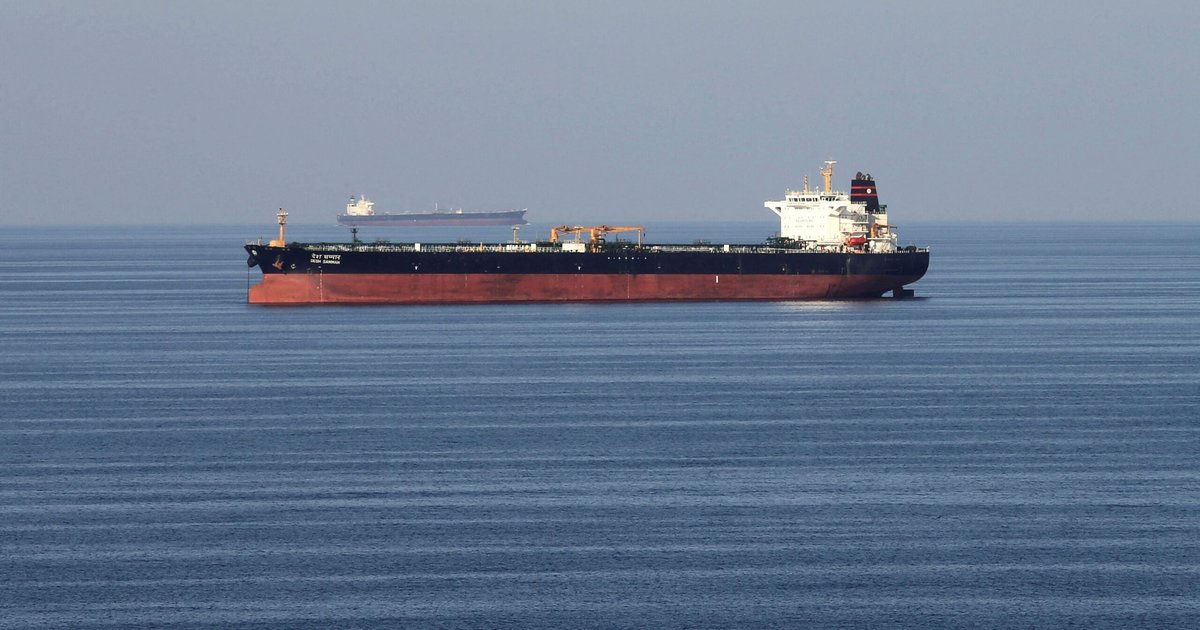
A tanker chartered by the Malaysian company Petronas, loaded with Iraqi crude oil, has crossed the Strait of Hormuz, one of the most crucial maritime passages in the world. This operation occurs at a time when the global oil market is experiencing significant fluctuations, highlighting the importance of these routes in securing energy supplies.
The Petronas tanker is part of the company's strategy to secure oil supplies from Iraq, which is one of the largest oil producers globally. This operation comes at a sensitive time as many countries seek to diversify their energy sources and reduce dependence on specific supplies.
Details of the Event
The Strait of Hormuz, which connects the Arabian Gulf to the Gulf of Oman, is a vital transit point for approximately 20% of global oil supplies. Many tankers pass through it, transporting oil from Gulf countries to international markets. This region has witnessed increasing tensions in recent years, making the security of these passages critically important.
Petronas is considered one of the leading companies in the energy sector, constantly striving to expand its operations into new markets. The tanker that crossed the Strait of Hormuz is carrying a shipment of Iraqi oil, reflecting the ongoing cooperation between Iraq and Petronas in the energy field.
Background & Context
Historically, the Strait of Hormuz has been the stage for numerous geopolitical events that have impacted global oil markets. In recent years, tensions between Iran and Western countries have increased, raising concerns about the security of navigation in this strait. Nevertheless, tanker movements through the strait continue, indicating the importance of this passage in global trade.
Iraq, which faces economic and political challenges, is seeking to enhance its oil exports as a means to improve its economic situation. Oil shipments to global markets are a crucial part of Iraq's strategy to boost its revenues.
Impact & Consequences
The movement of tankers through the Strait of Hormuz affects global oil prices, as any tension or disruption in this movement can lead to significant price increases. Additionally, the stability of this region is essential for oil-importing countries, as many economies rely on oil supplies from the Gulf.
This operation also serves as an indicator of the stability of trade relations between Iraq and global oil companies, which may encourage further investments in the Iraqi energy sector. Given the economic challenges facing Iraq, such investments could be vital for improving the country's economic situation.
Regional Significance
The movement of tankers through the Strait of Hormuz is part of a broader network of regional and international trade. Any change in this movement can impact other Arab economies, especially those that rely on oil as a primary source of revenue. Moreover, the stability of this region is crucial for regional security.
In conclusion, the movement of the Petronas-chartered tanker reflects the significance of the Strait of Hormuz in global trade and highlights the challenges and opportunities faced by oil-producing countries. As tensions continue in the region, securing these maritime passages remains critically important to ensure the stability of oil markets.