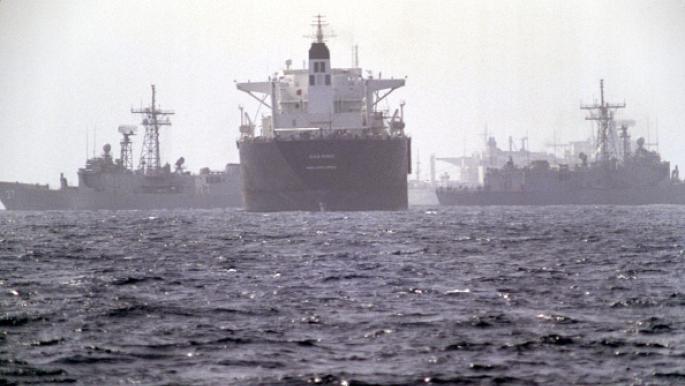
An oil tanker has successfully navigated the Strait of Hormuz and reached its destination in South Korea, becoming the first vessel to arrive there via this waterway since Iran announced its closure. This incident underscores the significance of the Strait of Hormuz as one of the world's most crucial maritime routes, through which approximately 20% of global oil passes.
This move comes at a time of increasing tensions in the region, as Iran had previously announced the closure of the strait as part of its strategy to exert pressure on Western nations. However, the crossing of this tanker indicates that maritime traffic continues despite the political and security challenges.
Details of the Crossing
The tanker that crossed the strait was carrying a shipment of crude oil and departed from one of the ports in the Arabian Gulf. After traversing the strait, the journey continued towards South Korea, where it was officially welcomed at the port. This incident reflects the ability of companies to adapt to changing conditions in the region and demonstrates that alternative routes can be utilized to ensure the continued flow of oil to global markets.
This tanker is part of a massive fleet comprising around 1,500 vessels stranded in Gulf waters, where approximately 20,000 sailors face difficulties returning home. These numbers highlight the scale of the crisis affecting maritime navigation in the region, which requires urgent solutions from the relevant governments.
Background & Context
The Strait of Hormuz is a vital crossing point for oil and is considered one of the busiest maritime passages in the world. Historically, the strait has witnessed numerous political and military crises, affecting maritime traffic. In recent years, tensions between Iran and Western nations have escalated, leading to threats of closing the strait, which has significantly impacted global oil prices.
In this context, the tanker that crossed the strait serves as a sign that trade continuity is possible despite challenges. Furthermore, this incident may pave the way for more vessels to cross, potentially alleviating pressure on oil markets.
Impact & Consequences
This incident is of great significance as it reflects the ability of companies to overcome political obstacles. The crossing of the tanker may lead to increased confidence in maritime navigation, which could contribute to stabilizing oil prices in global markets. On the other hand, this step may encourage other countries to make similar decisions, potentially increasing trade movement through the strait.
However, tensions remain, and any new escalation in the region could affect maritime traffic. Therefore, continuous monitoring of the situation in the Gulf is essential to ensure the safety of vessels and sailors.
Regional Significance
This incident highlights the importance of the Strait of Hormuz in global trade and the impact of political tensions on navigation. The ability of an oil tanker to cross the strait amidst such challenges illustrates resilience in maritime operations.
In conclusion, the successful crossing of this tanker not only signifies ongoing trade but also emphasizes the need for diplomatic efforts to maintain open maritime routes and ensure the safety of international shipping.