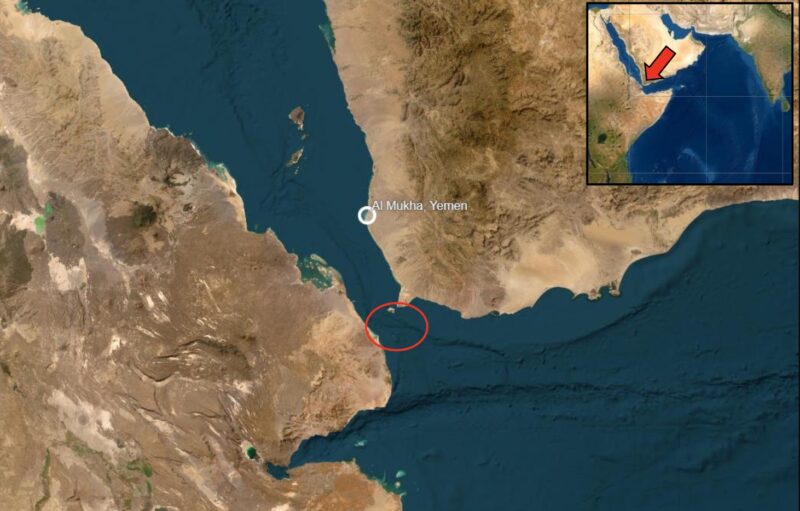
The British Maritime Trade Operations reported on Wednesday that an oil tanker was struck by an unknown projectile, located 17 nautical miles north of the Qatari capital, Doha. This incident occurs at a sensitive time when the region is experiencing increasing tensions, raising concerns about maritime safety.
No additional details have been disclosed regarding the type of projectile or the responsible party, but the incident reflects the security challenges faced by commercial vessels in the waters of the Arabian Gulf. There have been no reports of injuries among the tanker crew or significant damage to the cargo.
Details of the Incident
According to reports, the tanker was on a routine voyage when it was struck. The incident occurred in an area considered one of the busiest maritime traffic zones, through which many commercial vessels transporting oil and gas pass. Such incidents highlight the risks faced by ships in waters close to conflict zones.
In recent years, the region has witnessed a rise in military activities, leading to increased concerns about navigation safety. Some countries have issued warnings to their citizens against traveling to areas near the Qatari coast due to these tensions.
Background & Context
Historically, the Arabian Gulf has been the theater of numerous military and political conflicts, with several countries competing for influence in the region. Incidents similar to this one involving commercial vessels are not new, as the area has seen several attacks on oil tankers in recent years, raising awareness of the importance of securing maritime passages.
Concerns are growing that such incidents could lead to greater escalation of tensions between the involved countries, especially with major powers like the United States and Iran present in the region. Any escalation could directly impact oil prices and global markets.
Impact & Consequences
This incident could have significant repercussions on maritime navigation in the Gulf, potentially leading to additional restrictions on commercial vessels. Furthermore, the incident may provoke reactions from the involved countries, increasing the likelihood of military escalation in the region.
Moreover, any impact on oil movement could reflect on global prices, affecting economies dependent on oil. It is crucial for international maritime authorities to closely monitor this incident to ensure navigation safety.
Regional Significance
This incident serves as a wake-up call for Arab countries bordering the Gulf, as they need to enhance maritime security measures to protect their economic interests. Additionally, the incident could affect relations between Arab states and major powers monitoring the situation in the region.
As attention turns to how Qatari authorities will handle this incident, there is an urgent need for greater international cooperation to ensure navigation safety in these vital waters.