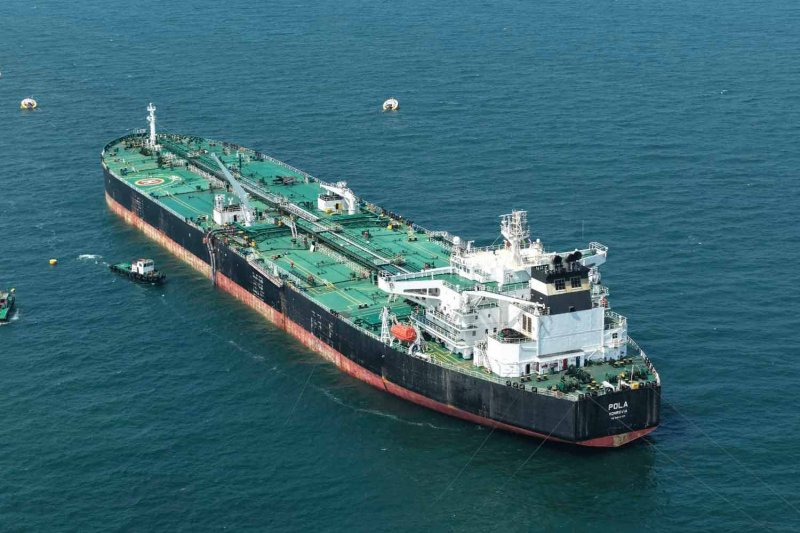
An oil tanker that had been stranded in the Hormuz Strait since March 11 successfully completed its journey to Chonburi, Thailand, where it delivered its cargo of crude oil to Bangchak Company. The tanker, carrying approximately 700,000 barrels of oil, arrived at the refinery late Tuesday night.
Bangchak Company, one of the largest oil companies in Thailand, reported that the transportation and delivery operations to the Bangchak refinery in Sriracha and the Bangchak refinery in Prachinburi are proceeding as planned. The company confirmed that the current crude oil stock is sufficient to meet production needs for nearly two months.
Details of the Incident
The oil tanker, known as Bola, faced difficulties reaching its destination due to the ongoing military conflict in the Middle East. However, the tanker was able to safely navigate through the Hormuz Strait on March 24, allowing it to continue its journey to Thailand.
This incident is part of a series of challenges facing oil shipments in the region, where military conflicts significantly affect maritime navigation and lead to substantial delays in deliveries.
Background & Context
The Hormuz Strait is one of the most critical maritime passages in the world, through which approximately 20% of the world's total oil passes. Military conflicts in the region, including tensions between Iran and Gulf countries, greatly impact shipping movements and increase the risks of supply disruptions.
In recent years, the region has witnessed a rise in military tensions, leading to heightened concerns about the safety of shipments. These events underscore the importance of regional stability to ensure a continuous flow of oil.
Impact & Consequences
Incidents like this affect global oil prices, as any disruptions in supply can lead to price increases. Under the current circumstances, analysts expect this incident to exert additional pressure on oil markets, especially as conflicts in the region persist.
Moreover, a decline in oil prices in the global market can impact economies reliant on oil, making supply stability crucial for maintaining economic growth.
Regional Significance
The Middle East is a major center for oil production, and any supply disruptions directly affect Arab countries. This incident highlights the importance of regional cooperation to ensure maritime safety and the stability of oil markets.
Amid ongoing tensions, Arab countries must enhance their strategies to ensure the stability of oil supplies, contributing to economic security in the region.