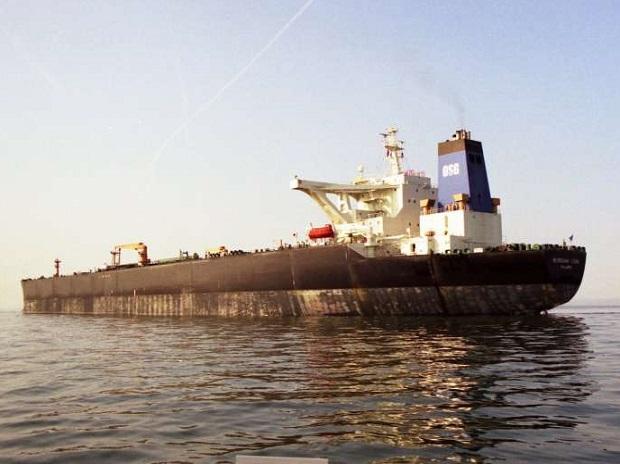
Two oil tankers bound for India have crossed the Hormuz Strait, one of the most important waterways in the world, reflecting the significance of this strait in global trade. This incident comes at a time when the Middle East is experiencing increasing tensions, underscoring the strategic role this passage plays in securing energy supplies.
The Hormuz Strait is a key transit point for oil transportation from Gulf countries to global markets, with approximately 20% of the world's total oil supply passing through it. In recent years, the strait has witnessed numerous incidents and tensions, making the passage of ships through it a vital topic that requires close monitoring.
Details of the Event
Reports indicate that the oil tankers, which are carrying large shipments of crude oil, crossed the strait early this morning. This operation is part of the ongoing shipping activity that takes place through this waterway, which is considered a lifeline for oil-dependent economies.
It is noteworthy that the crossing of the two tankers comes at a sensitive time, as concerns grow over escalating tensions between Iran and Western countries, which could impact shipping movements in the region. International naval forces have been monitoring ship movements in the area to ensure their safety.
Background & Context
The Hormuz Strait, which stretches between Iran and Oman, is one of the busiest waterways in the world. Historically, the strait has witnessed numerous political and military crises, including conflicts between Iran and the United States, leading to increased risks associated with ship crossings.
In recent years, Iran has taken steps to enhance its influence in the region, raising concerns among neighboring countries and the United States. These tensions have led to an increased American military presence in the area, contributing to heightened conflict.
Impact & Consequences
The crossing of the oil tankers through the Hormuz Strait is an indicator of the continuity of global trade, despite political tensions. However, any escalation in the situation could significantly affect global oil prices, leading to volatility in financial markets.
This incident highlights the importance of international cooperation to ensure safe navigation in the strait, as any disruption in shipping movements could have negative repercussions on the global economy. Additionally, the stability of the region is vital for securing energy supplies.
Regional Significance
The Arabian Gulf region is one of the most sensitive areas in the world, with many Arab countries relying on oil revenues. Therefore, any tension in the Hormuz Strait could directly impact the economies of these nations.
Moreover, the stability of navigation in the strait is crucial for regional security, as any escalation could lead to widespread repercussions affecting all countries in the area. Thus, monitoring the situation in the strait remains a top priority for many Arab governments.
In conclusion, the Hormuz Strait remains a pivotal point in global trade, and the crossing of the oil tankers to India reflects the importance of this passage in securing energy supplies. As tensions in the region persist, attention remains focused on the strait to ensure safe navigation and market stability.